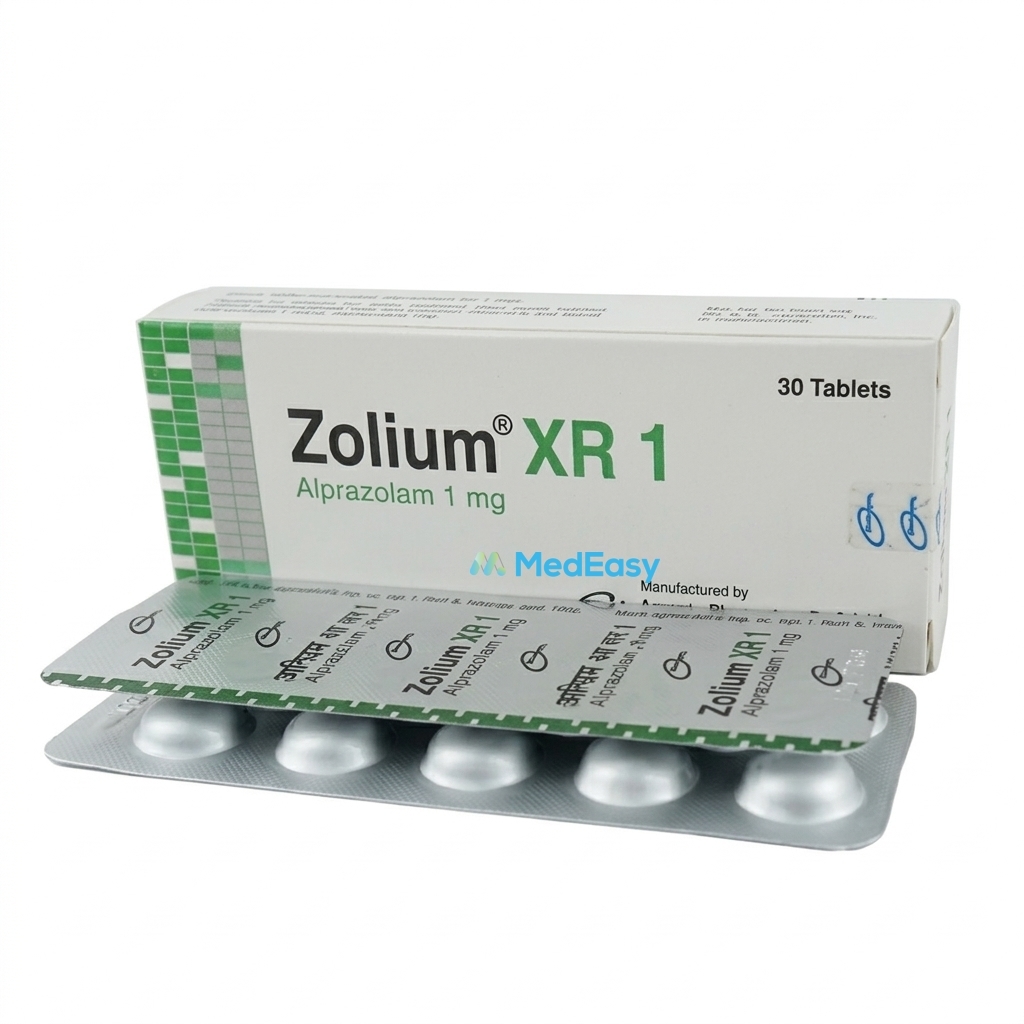
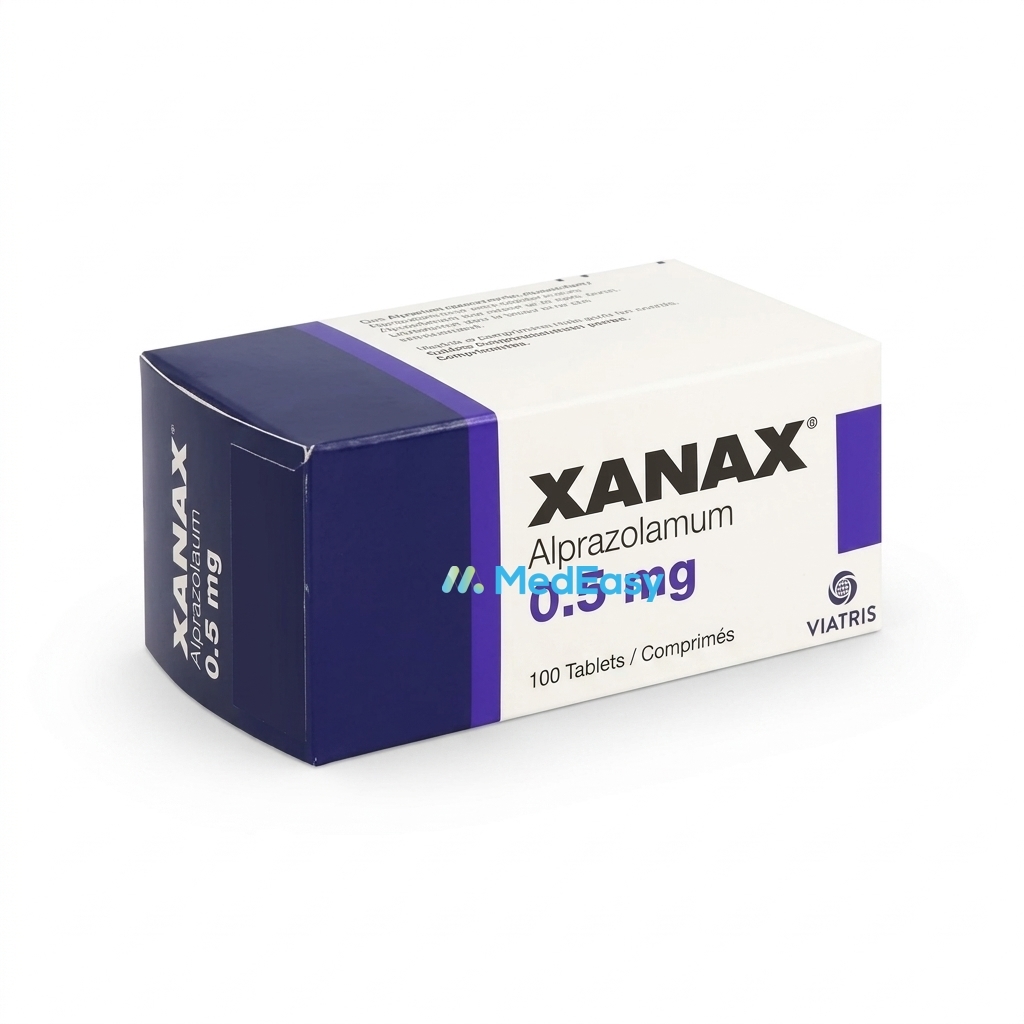
Generic medicine

Alprazolam: Brands, Price & Uses in Bangladesh

Alprazolam is a short-acting benzodiazepine indicated for the following conditions: Established / FDA-approved uses Generalized Anxiety Disorder (GAD): Short-term relief of symptoms of anxiety and more.

Forms:TabletTablet (Extended Release)

About Alprazolam

Indications of Alprazolam

Alprazolam is a short-acting benzodiazepine indicated for the following conditions:

Established / FDA-approved uses

  • Generalized Anxiety Disorder (GAD): Short-term relief of symptoms of anxiety, or anxiety associated with depressive symptoms.
  • Panic disorder: With or without agoraphobia, in adults.

Not indicated for

Alprazolam is not indicated for the routine treatment of stress or anxiety of everyday life, and is generally not recommended as a first-line or long-term treatment given its potential for dependence.

Dosage & Administration of Alprazolam

Anxiety (Generalized Anxiety Disorder)

PopulationDose
AdultsInitial 0.25-0.5 mg three times daily; may be titrated based on response and tolerability, generally up to a maximum of 4 mg/day in divided doses.
Elderly or debilitated patientsInitial 0.25 mg two to three times daily, increased gradually and cautiously if needed.

Panic Disorder

PopulationDose
AdultsInitial 0.5 mg three times daily; dose may be increased in increments of no more than 1 mg every 3-4 days as needed and tolerated. Total daily doses of up to 10 mg have been used in clinical trials, but higher doses substantially increase sedation and dependence risk.

Hepatic impairment

Use a lower starting dose and titrate cautiously; clearance of Alprazolam is reduced in liver disease.

Discontinuation

Alprazolam must never be stopped abruptly after regular use. Discontinuation must be achieved by a gradual dose taper under medical supervision (see Precautions and Warnings) to reduce the risk of withdrawal symptoms, including seizures.

Side Effects of Alprazolam

Common

  • Drowsiness and sedation
  • Dizziness, light-headedness
  • Fatigue, weakness
  • Impaired coordination (ataxia)
  • Memory impairment / anterograde amnesia
  • Dry mouth, constipation
  • Irritability, weight changes

Serious (seek medical attention)

  • Respiratory depression, especially when combined with opioids or other CNS depressants (see Precautions and Warnings)
  • Physical dependence, misuse, and withdrawal symptoms, including seizures, on abrupt discontinuation
  • Paradoxical reactions - agitation, aggression, hallucinations, disinhibition (more common in children and the elderly)
  • Cognitive impairment and increased fall risk, particularly in elderly patients
  • Rare: severe allergic reactions, jaundice, suicidal thoughts or worsening depression

Contraindications of Alprazolam

Alprazolam is contraindicated in:

  • Patients with known hypersensitivity to Alprazolam, other benzodiazepines, or any component of the formulation.
  • Concomitant use with ketoconazole or itraconazole (potent CYP3A4 inhibitors), due to substantially increased alprazolam plasma levels and risk of profound sedation/respiratory depression.
  • Acute narrow-angle glaucoma (benzodiazepines may worsen this condition); may be used in patients with open-angle glaucoma who are receiving appropriate therapy.

Frequently Asked Questions about Alprazolam

What is Alprazolam used for?

Alprazolam is primarily used for the short-term treatment of generalized anxiety disorder and for panic disorder, with or without agoraphobia. It is not intended for everyday stress.

Can I stop taking Alprazolam suddenly if I feel better?

No. Alprazolam should never be stopped abruptly after regular use, as this can cause serious withdrawal symptoms, including seizures. Any discontinuation must be done gradually under a physician's supervision.

Is Alprazolam addictive?

Yes. Alprazolam carries a boxed warning for risk of abuse, misuse, and addiction, even when taken at prescribed doses. It should be used only as directed and for the shortest duration necessary.

Can I drink alcohol or take opioid painkillers while on Alprazolam?

No. Combining Alprazolam with alcohol, opioids, or other central nervous system depressants can cause profound sedation, dangerously slowed breathing, coma, and death. Avoid this combination and inform your doctor of all medicines you take.

Is Alprazolam safe during pregnancy?

Alprazolam should be used in pregnancy only if clearly necessary and if the benefit outweighs the potential risk to the baby, and always under a physician's guidance, as it may cause neonatal sedation, feeding problems, or withdrawal symptoms in the newborn if used near delivery.

What should I do if I miss a dose or suspect an overdose?

If you miss a dose, take it as soon as remembered unless it is close to the next dose; do not double up. If overdose is suspected (extreme drowsiness, confusion, breathing difficulty), seek emergency medical attention immediately or contact a poison control center - do not wait or attempt home treatment.

Disclaimer

The information provided is accurate to the best of our knowledge, but it does not replace professional medical advice. We cannot guarantee its completeness or accuracy, and the absence of specific information about a drug should not be taken as an endorsement. We are not responsible for any consequences arising from this information, so please consult a healthcare professional for any concerns or questions.
DoctorBlogArticles