Generic medicine

Amino Acid + Dextrose+ Electrolytes: Brands, Price & Uses in Bangladesh

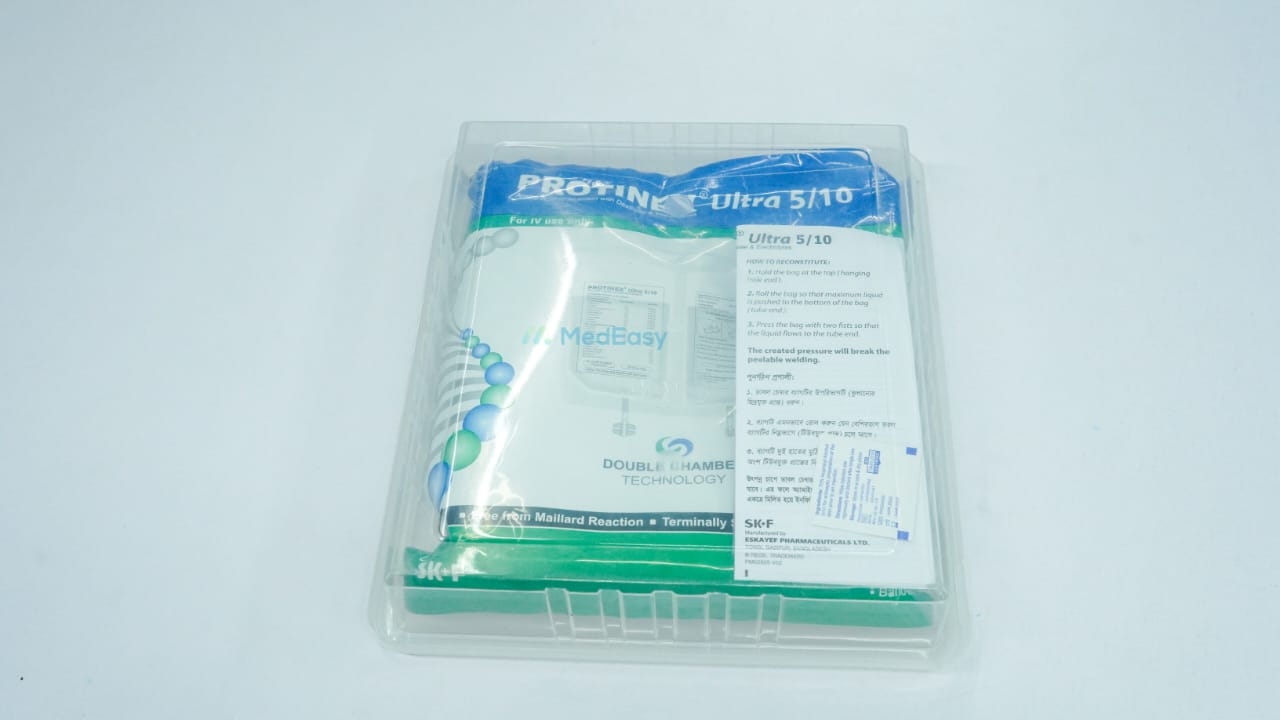
Amino Acid + Dextrose+ Electrolytes is a combination nutritional and fluid/electrolyte replacement solution used to provide caloric (dextrose), protein-building (amino acid) and more.

Forms:IV Infusion

About Amino Acid + Dextrose+ Electrolytes

Indications of Amino Acid + Dextrose+ Electrolytes

Amino Acid + Dextrose+ Electrolytes is a combination nutritional and fluid/electrolyte replacement solution used to provide caloric (dextrose), protein-building (amino acid), and electrolyte support when normal oral or enteral intake is inadequate, not possible, or contraindicated.

Established uses

  • Parenteral nutrition support (adjunct/total): Amino Acid + Dextrose+ Electrolytes is used intravenously, under medical supervision, to supply calories, nitrogen (amino acids), and electrolytes in patients who cannot meet nutritional requirements orally or enterally (e.g., post-operative patients, critically ill patients, patients with prolonged gastrointestinal dysfunction).
  • Fluid and electrolyte replacement: Used to correct or prevent dehydration and electrolyte deficits accompanying inadequate intake, increased losses, or metabolic stress.

Guideline-supported / adjunct uses

  • As an adjunct to enteral feeding when enteral intake alone is insufficient to meet caloric/protein/electrolyte needs (partial parenteral nutrition).
  • Peri-operative and critical-care nutritional support as part of a broader nutrition care plan directed by a physician or clinical nutrition team.

Note: Amino Acid + Dextrose+ Electrolytes is available in different formulations (oral/enteral nutritional-rehydration solutions and intravenous parenteral nutrition solutions). The exact indication, concentration, and route depend on the specific product formulation prescribed; oral/enteral use and intravenous (parenteral) use have very different administration routes, monitoring requirements, and risk profiles and must not be interchanged.

Dosage & Administration of Amino Acid + Dextrose+ Electrolytes

Dosage and administration of Amino Acid + Dextrose+ Electrolytes must be individualized by a physician based on the patient's age, body weight, clinical condition, nutritional requirements, fluid status, renal/hepatic function, and the specific formulation used (concentration of dextrose, amino acids, and electrolytes varies by product).

IndicationPopulationTypical Approach
Parenteral nutrition supportAdultsAdministered by slow intravenous infusion (central or peripheral line depending on osmolarity/concentration), with the infusion rate and total daily volume individualized to caloric, protein, and fluid requirements; typically initiated at a lower rate and advanced gradually with monitoring.
Parenteral nutrition supportPediatric patients (including infants)Weight-based dosing individualized by a pediatric nutrition specialist/physician; requires closer monitoring of glucose, electrolytes, and growth parameters. Safety and efficacy of specific formulations in neonates/infants should follow product labeling and specialist guidance.
Oral/enteral nutritional or rehydration supportAdults and children (age-appropriate formulations only)Administered orally as directed on the product label or by the prescribing physician; not interchangeable with intravenous formulations.

Amino Acid + Dextrose+ Electrolytes intended for intravenous use must be administered only by, or under the direct supervision of, qualified healthcare professionals with facilities for monitoring blood glucose, serum electrolytes, and fluid balance.

Side Effects of Amino Acid + Dextrose+ Electrolytes

Side effects of Amino Acid + Dextrose+ Electrolytes depend on the formulation, route, dose, and rate of administration. Reported effects include:

  • Metabolic: hyperglycemia, hypoglycemia (on abrupt discontinuation of an infusion), electrolyte imbalances (e.g., hyperkalemia/hypokalemia, hypernatremia/hyponatremia), fluid overload.
  • Infusion-related (IV use): infusion-site pain, redness, swelling, phlebitis, or thrombosis at the injection site.
  • Hypersensitivity: rash, itching, or, rarely, more serious allergic reactions.
  • Gastrointestinal (oral/enteral use): nausea, bloating, or diarrhea, particularly if taken too quickly or in excessive amounts.

Patients should seek prompt medical attention for signs of severe allergic reaction, significant swelling, breathing difficulty, or symptoms of marked hyperglycemia or fluid overload while receiving Amino Acid + Dextrose+ Electrolytes.

Contraindications of Amino Acid + Dextrose+ Electrolytes

Amino Acid + Dextrose+ Electrolytes is contraindicated in patients with:

  • Known hypersensitivity to amino acids, dextrose, or any electrolyte component of the specific Amino Acid + Dextrose+ Electrolytes formulation.
  • Severe, uncontrolled hyperglycemia (e.g., uncontrolled diabetes mellitus) without appropriate concurrent glucose management.
  • Severe electrolyte disturbances that would be worsened by the specific electrolyte content of the Amino Acid + Dextrose+ Electrolytes formulation being used (e.g., severe hyperkalemia with a potassium-containing formulation).
  • Anuria or severe renal impairment, unless administered under close medical/specialist guidance, because of impaired ability to handle the fluid and electrolyte load.

Frequently Asked Questions about Amino Acid + Dextrose+ Electrolytes

What is Amino Acid + Dextrose+ Electrolytes used for?

Amino Acid + Dextrose+ Electrolytes is a combination nutritional and fluid/electrolyte solution used to provide calories (from dextrose), protein-building amino acids, and electrolytes when a patient cannot get adequate nutrition or hydration through normal eating and drinking, either as an intravenous parenteral nutrition solution or an oral/enteral nutritional-rehydration formulation, depending on the specific product.

Is Amino Acid + Dextrose+ Electrolytes given by mouth or by injection?

It depends on the specific formulation: some Amino Acid + Dextrose+ Electrolytes products are intravenous (IV) solutions given by controlled infusion under medical supervision, while others are oral/enteral nutritional-rehydration formulations. These have very different administration routes and monitoring needs and are not interchangeable.

Can people with diabetes use Amino Acid + Dextrose+ Electrolytes?

Amino Acid + Dextrose+ Electrolytes contains dextrose, which can raise blood glucose. People with diabetes can receive Amino Acid + Dextrose+ Electrolytes but require close blood glucose monitoring and may need adjustment of insulin or other glucose-lowering medication; use should be supervised by a physician.

What monitoring is needed while using Amino Acid + Dextrose+ Electrolytes?

Because Amino Acid + Dextrose+ Electrolytes, especially the intravenous form, can affect blood glucose, electrolytes, and fluid balance, regular monitoring of blood glucose, serum electrolytes, kidney function, and fluid status is recommended during treatment, particularly in patients with renal or cardiac impairment.

Is Amino Acid + Dextrose+ Electrolytes safe during pregnancy or breastfeeding?

Amino Acid + Dextrose+ Electrolytes should be used in pregnancy or while breastfeeding only if clearly needed and under a physician's supervision, who will weigh the benefit of nutritional/fluid support against any potential risk and monitor glucose and electrolytes closely.

What should I do if too much Amino Acid + Dextrose+ Electrolytes is given or an overdose is suspected?

If overdose or excessively rapid administration of Amino Acid + Dextrose+ Electrolytes is suspected, the infusion or intake should be stopped and immediate medical attention sought, or emergency services/poison control contacted, since overdose can cause hyperglycemia, fluid overload, or electrolyte disturbances requiring professional management.

Disclaimer

The information provided is accurate to the best of our knowledge, but it does not replace professional medical advice. We cannot guarantee its completeness or accuracy, and the absence of specific information about a drug should not be taken as an endorsement. We are not responsible for any consequences arising from this information, so please consult a healthcare professional for any concerns or questions.

DoctorBlogArticles