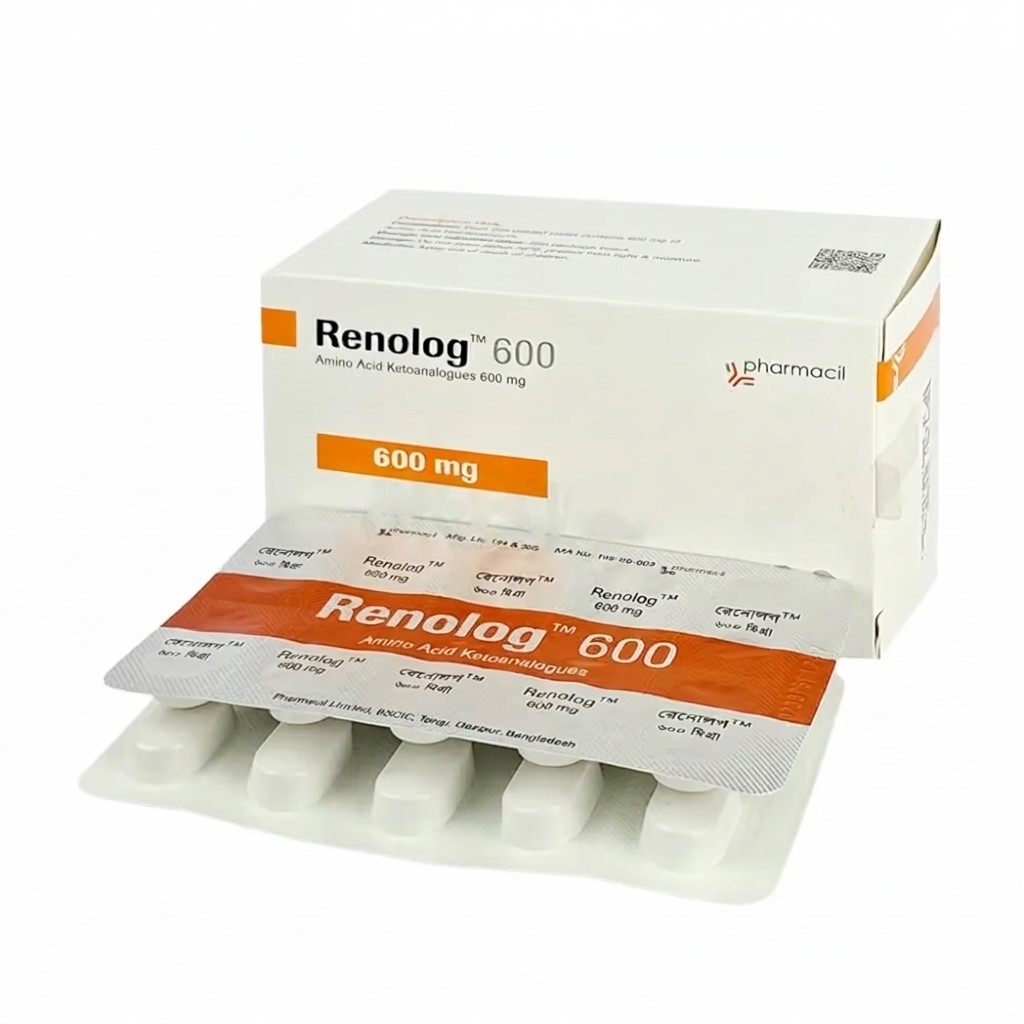
Generic medicine

Amino Acid Ketoanalogues: Brands, Price & Uses in Bangladesh

Amino Acid Ketoanalogues is a nutritional supplement indicated as an adjunct therapy in adult patients with chronic kidney disease (CKD), particularly stages 3b-5 (not yet on dialysis) and more.

Forms:Tablet

About Amino Acid Ketoanalogues

Indications of Amino Acid Ketoanalogues

Amino Acid Ketoanalogues is a nutritional supplement indicated as an adjunct therapy in adult patients with chronic kidney disease (CKD), particularly stages 3b-5 (not yet on dialysis), who are following a physician- and dietitian-supervised low-protein diet.

  • Established/guideline-supported use: Used together with a low-protein diet (typically 0.3-0.6 g protein/kg/day) to help supply essential amino acids and nitrogen-free keto/hydroxy analogues, reducing nitrogenous waste (urea) production while helping to maintain adequate nutritional status and slow progression of uraemic symptoms in non-dialysis CKD.
  • Adjunct use: May also be used in some dialysis patients (haemodialysis/peritoneal dialysis) with protein-energy wasting, as an adjunct to dietary protein management, under specialist supervision.

Amino Acid Ketoanalogues is not a substitute for a low-protein diet; it is intended to be used only in conjunction with one, under nephrology and dietitian supervision, and is not indicated for patients with normal renal function or those not following a reduced-protein diet.

Dosage & Administration of Amino Acid Ketoanalogues

Adults with Chronic Kidney Disease (non-dialysis, on a supervised low-protein diet)

The typical dose is approximately 1 tablet per 5 kg of body weight per day (commonly around 4-9 tablets three times daily with meals, i.e., roughly 12-24 tablets/day depending on body weight and the specific product strength), taken with meals. Doses must always be individualized by the treating physician/nephrologist based on body weight, degree of renal impairment, dietary protein intake, and nutritional status.

Adults with Chronic Kidney Disease on Dialysis

Dosage is individualized by the treating physician based on dialysis modality, residual renal function, and nutritional/dietary protein intake; specialist supervision is required.

Administration

Amino Acid Ketoanalogues should be swallowed whole with meals (not chewed or crushed unless the product is specifically formulated to allow this), spread across the day's meals, and must always be used together with a properly supervised low-protein diet as prescribed by the treating physician and dietitian - it is not a substitute for dietary protein restriction. Do not change the dose or stop use without consulting the prescribing physician, as therapy is individualized to the degree of renal impairment and dietary protein intake.

Side Effects of Amino Acid Ketoanalogues

Amino Acid Ketoanalogues is generally well tolerated. The most commonly reported side effect is mild gastrointestinal upset, particularly nausea. Other gastrointestinal complaints such as loss of appetite or a feeling of fullness may occasionally occur. Hypercalcemia can occur, especially with long-term use or in patients receiving additional calcium/vitamin D supplementation (see Precautions and Warnings). Hypersensitivity reactions are rare.

Contraindications of Amino Acid Ketoanalogues

Amino Acid Ketoanalogues is contraindicated in patients with:

  • Known hypersensitivity to Amino Acid Ketoanalogues or any of its components.
  • Hypercalcemia.
  • Inherited or acquired disorders of amino acid metabolism.

Frequently Asked Questions about Amino Acid Ketoanalogues

What is Amino Acid Ketoanalogues used for?

Amino Acid Ketoanalogues is used as an adjunct in patients with chronic kidney disease who are following a physician-supervised low-protein diet, to help supply essential amino acids while minimizing the production of urea and other nitrogenous waste.

Can Amino Acid Ketoanalogues replace my low-protein diet?

No. Amino Acid Ketoanalogues must be used together with, and never as a substitute for, a properly supervised low-protein diet prescribed by your physician and dietitian. It is not intended for people with normal kidney function or those not on a reduced-protein diet.

What are the side effects of Amino Acid Ketoanalogues?

Amino Acid Ketoanalogues is generally well tolerated. The most common side effect is mild nausea or other minor gastrointestinal upset. High calcium levels (hypercalcemia) can occur with long-term use, especially if combined with other calcium or vitamin D supplements, so periodic blood calcium monitoring is recommended.

Who should not take Amino Acid Ketoanalogues?

Amino Acid Ketoanalogues should not be used by people who are hypersensitive to it or its components, who have hypercalcemia, or who have an inherited or acquired disorder of amino acid metabolism.

Is Amino Acid Ketoanalogues safe during pregnancy?

Amino Acid Ketoanalogues should be used during pregnancy or breastfeeding only if clearly needed and if the benefit justifies the potential risk, under close physician supervision, as data are limited.

How should I take Amino Acid Ketoanalogues?

Amino Acid Ketoanalogues tablets are usually taken with meals, swallowed whole, at a dose individualized to your body weight by your physician. Do not change your dose without medical advice, and continue your prescribed low-protein diet alongside it.

Disclaimer

The information provided is accurate to the best of our knowledge, but it does not replace professional medical advice. We cannot guarantee its completeness or accuracy, and the absence of specific information about a drug should not be taken as an endorsement. We are not responsible for any consequences arising from this information, so please consult a healthcare professional for any concerns or questions.

DoctorBlogArticles