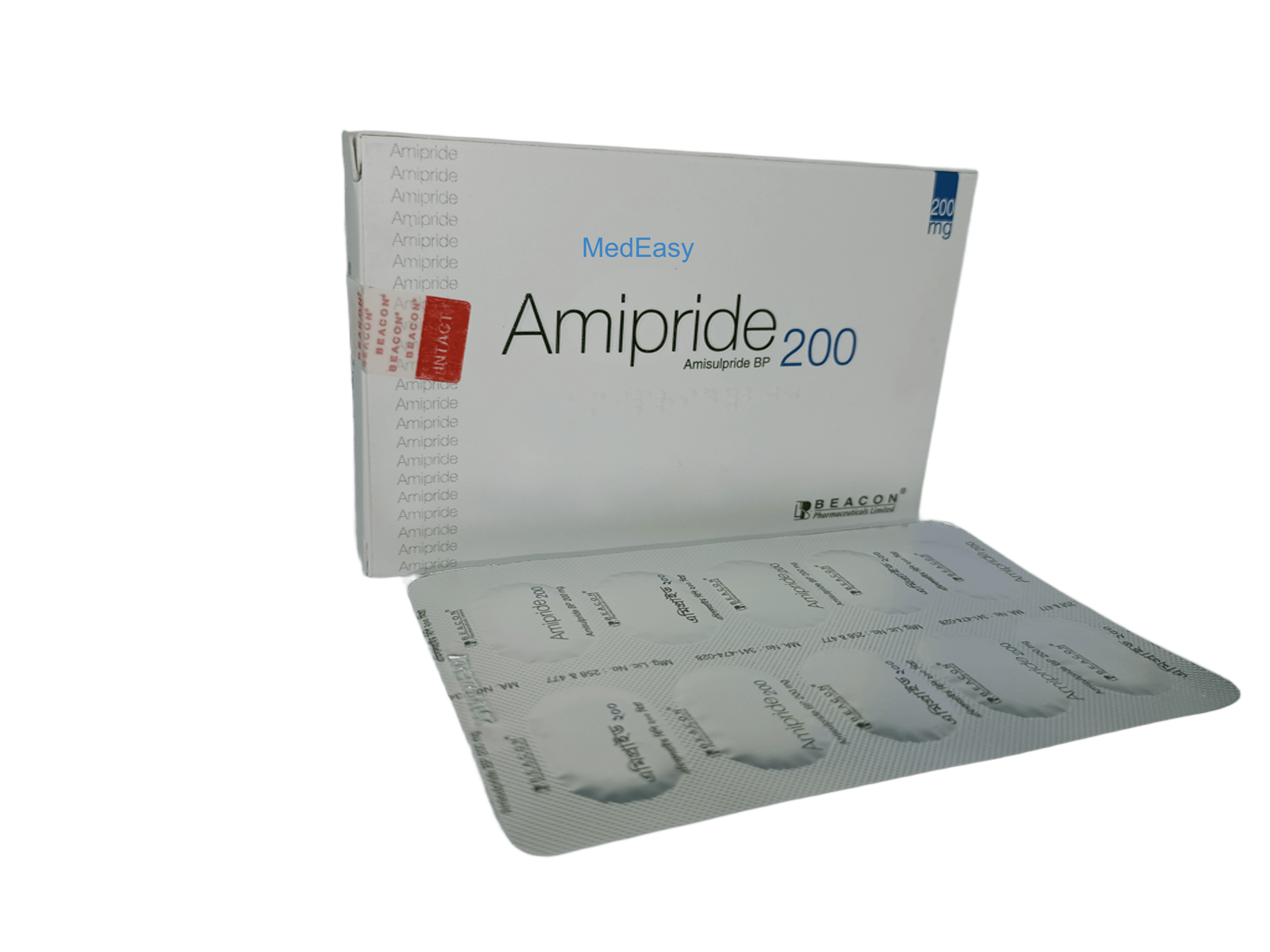
Generic medicine

Amisulpride: Brands, Price & Uses in Bangladesh

Amisulpride is an atypical antipsychotic (substituted benzamide) used mainly for the treatment of schizophrenia.

Forms:Tablet

About Amisulpride

Indications of Amisulpride

Amisulpride is an atypical antipsychotic (substituted benzamide) used mainly for the treatment of schizophrenia. Its use is classified below by strength of evidence.

Established / guideline-supported uses

  • Acute and chronic schizophrenia — at higher oral doses, Amisulpride is effective against positive symptoms (hallucinations, delusions, thought disorder) and, at lower doses, against predominant negative symptoms (blunted affect, social withdrawal, apathy).
  • Prevention and treatment of postoperative nausea and vomiting (PONV) in adults — an intravenous, low-dose formulation of Amisulpride is approved for this use, given alone or combined with an antiemetic of a different class.

Lower-dose / limited-evidence use

  • In some countries, very low oral doses of Amisulpride (below the antipsychotic range) have been used for dysthymia and mild depressive states; this dosing context is different from schizophrenia treatment and is not a globally established indication.

Amisulpride is not approved for treating psychosis related to dementia in elderly patients (see Precautions and Warnings).

Dosage & Administration of Amisulpride

Schizophrenia (oral)

PresentationTypical adult dose
Predominantly positive symptoms (acute psychotic episodes)400–800 mg/day, divided into two doses; may be titrated up to a maximum of 1200 mg/day based on response
Predominantly negative symptoms50–300 mg/day

Maintenance dose should be individualized to the lowest effective dose. Doses above 400 mg/day are usually given in two divided doses.

Prevention/treatment of postoperative nausea and vomiting (intravenous, hospital use)

PurposeDose
Prevention (given at induction of anesthesia)5 mg as a single IV dose, infused over 1–2 minutes
Treatment (established nausea/vomiting)10 mg as a single IV dose, infused over 1–2 minutes

Renal impairment

Amisulpride is largely excreted unchanged by the kidneys, so dose reduction is required in renal impairment: approximately half the usual dose in moderate impairment, and a further reduction (around one-third of the usual dose) in more marked impairment. Use in severe renal impairment should generally be avoided due to limited data (see Contraindications).

Hepatic impairment

Since Amisulpride undergoes minimal hepatic metabolism, dose adjustment for hepatic impairment is generally not required, but caution is still advised.

Amisulpride tablets should be swallowed with water; the IV formulation is for administration by a healthcare professional only. Always take Amisulpride exactly as prescribed by your physician and do not stop, extend, or skip doses without medical advice.

Side Effects of Amisulpride

Side effects of Amisulpride are generally dose-related.

Common

  • Insomnia, anxiety, agitation
  • Extrapyramidal symptoms (tremor, rigidity, akathisia) — more frequent at higher doses
  • Elevated prolactin levels, which may cause galactorrhea, menstrual irregularities, gynecomastia, or sexual dysfunction
  • Weight gain
  • Constipation, dry mouth, nausea
  • Drowsiness, dizziness

Uncommon/Rare but serious

  • QT interval prolongation and, rarely, serious arrhythmia (see Precautions and Warnings)
  • Neuroleptic malignant syndrome (rare, potentially life-threatening — see Precautions and Warnings)
  • Tardive dyskinesia with long-term use
  • Seizures
  • Allergic reactions (rash, angioedema)

Contraindications of Amisulpride

Amisulpride is contraindicated in the following situations:

  • Known hypersensitivity to Amisulpride or any component of the formulation.
  • Concurrent prolactin-dependent tumors, such as pituitary prolactinoma or certain breast cancers, because Amisulpride substantially raises serum prolactin.
  • Pheochromocytoma.
  • Concurrent use with other drugs that significantly prolong the QT interval or that cause significant bradycardia, due to additive risk of serious ventricular arrhythmia.
  • Severe renal impairment (due to lack of safety data at this level of renal function; dose adjustment is required at lesser degrees of impairment — see Dosage and Administration).

Frequently Asked Questions about Amisulpride

What is Amisulpride used for?

Amisulpride is mainly used to treat schizophrenia, helping to control symptoms such as hallucinations, delusions, and social withdrawal. A separate low-dose intravenous form of Amisulpride is also used in hospitals to prevent or treat nausea and vomiting after surgery.

Can I stop taking Amisulpride suddenly if I feel better?

No. Amisulpride should not be stopped suddenly. Abrupt discontinuation after prolonged use can cause withdrawal or rebound symptoms. Always reduce the dose gradually and only under your physician's supervision.

Is Amisulpride safe during pregnancy or breastfeeding?

Amisulpride should be used during pregnancy only if clearly needed, since safety in human pregnancy has not been firmly established, and babies exposed late in pregnancy may need monitoring after birth for withdrawal or movement symptoms. Amisulpride passes into breast milk, so breastfeeding during treatment is generally discouraged unless your physician advises otherwise. Always consult your physician before use in pregnancy or while breastfeeding.

What are the serious side effects I should watch for with Amisulpride?

Seek medical attention promptly if you experience signs of an irregular heartbeat (palpitations, fainting), high fever with muscle stiffness and confusion (possible neuroleptic malignant syndrome), uncontrollable muscle movements, or symptoms of an allergic reaction while taking Amisulpride, as these can be serious.

Who should not take Amisulpride?

Amisulpride should not be used by people who are hypersensitive to it, who have a prolactin-dependent tumor (such as certain pituitary or breast tumors), who have a pheochromocytoma, who have severe kidney impairment, or who are taking other medicines that significantly prolong the QT interval or slow the heart rate. Discuss your full medical history with your physician before starting Amisulpride.

Can Amisulpride be used in children?

The safety and efficacy of Amisulpride have not been established in children, and it is generally not recommended for use in patients under 18 years of age except in select adolescent cases managed by an experienced psychiatrist.

Disclaimer

The information provided is accurate to the best of our knowledge, but it does not replace professional medical advice. We cannot guarantee its completeness or accuracy, and the absence of specific information about a drug should not be taken as an endorsement. We are not responsible for any consequences arising from this information, so please consult a healthcare professional for any concerns or questions.

DoctorBlogArticles