
Generic medicine

Amlodipine + Valsartan: Brands, Price & Uses in Bangladesh

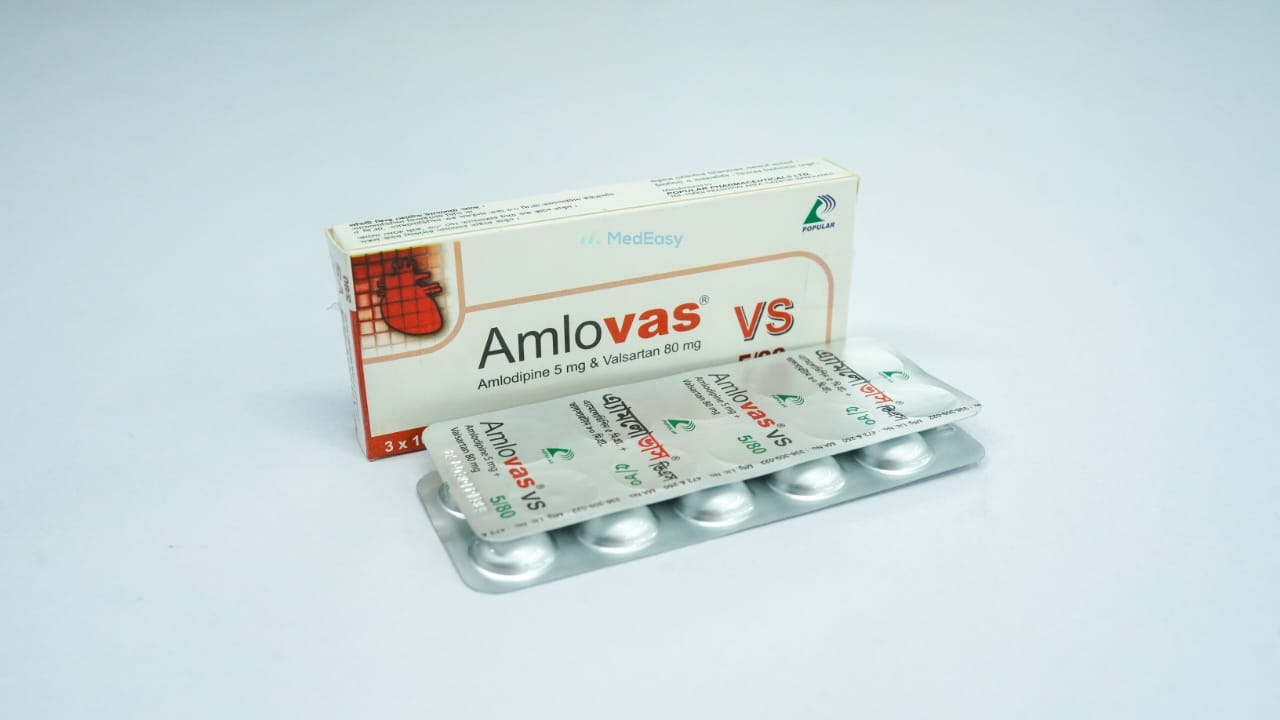
Amlodipine + Valsartan is an FDA-approved fixed-dose combination indicated for the treatment of hypertension (high blood pressure) in adults.

Forms:Tablet

About Amlodipine + Valsartan

Indications of Amlodipine + Valsartan

Amlodipine + Valsartan is an FDA-approved fixed-dose combination indicated for the treatment of hypertension (high blood pressure) in adults.

  • Established/FDA-approved use: Treatment of hypertension, either as initial therapy in patients likely to need multiple drugs to achieve blood pressure goals, or as substitution/add-on therapy in patients whose blood pressure is not adequately controlled on amlodipine or valsartan monotherapy, or on the two components given separately.
  • Guideline-supported use: Major hypertension guidelines (e.g., ACC/AHA, ESC/ESH) support initial combination therapy with a calcium channel blocker plus a renin-angiotensin system blocker such as an ARB in patients with stage 2 hypertension or blood pressure substantially above goal.
  • Cardiovascular risk reduction: Lowering blood pressure with Amlodipine + Valsartan reduces the risk of fatal and non-fatal cardiovascular events, primarily by reducing the incidence of stroke and myocardial infarction, a benefit demonstrated in controlled trials of the individual antihypertensive-drug classes that include amlodipine and valsartan.

Amlodipine + Valsartan is not indicated as first-line therapy in patients who do not require multiple drugs to control their blood pressure.

Dosage & Administration of Amlodipine + Valsartan

The usual approach to dosing with Amlodipine + Valsartan is as follows; treatment must always be individualized by a physician.

Initial Therapy

In patients likely to need multiple drugs to reach blood pressure goals, Amlodipine + Valsartan may be started at 5 mg/160 mg once daily. The dose can be titrated upward after 1-2 weeks, up to a maximum of 10 mg/320 mg once daily, based on response.

Add-on/Substitution Therapy

Patients not adequately controlled on amlodipine or valsartan monotherapy, or on the individual components given together, may be switched to the corresponding fixed-dose combination strength of Amlodipine + Valsartan.

Renal Impairment

No initial dose adjustment is required for mild-to-moderate renal impairment. Safety and efficacy of Amlodipine + Valsartan have not been established in severe renal impairment; use with caution and monitor renal function.

Hepatic Impairment

Amlodipine + Valsartan is not recommended for initial therapy in patients with hepatic impairment, since amlodipine blood levels increase substantially in this setting; if used, start at the lowest dose and titrate slowly with close monitoring.

Maximum antihypertensive effect is generally seen within about 2 weeks of a dose change. Amlodipine + Valsartan may be used alone or together with other antihypertensive agents.

Side Effects of Amlodipine + Valsartan

The most common side effects of Amlodipine + Valsartan include:

  • Peripheral (ankle/leg) edema - the most common dose-related adverse effect, mainly attributable to the amlodipine component
  • Nasopharyngitis (cold-like symptoms)
  • Upper respiratory tract infection
  • Dizziness
  • Headache
  • Fatigue
  • Flushing

Less common but important effects include hypotension, palpitations, and elevated liver enzymes. Rare but serious effects include angioedema and significant declines in renal function (see Precautions and Warnings). Patients should seek prompt medical attention for facial/throat swelling, difficulty breathing, severe dizziness, or fainting while taking Amlodipine + Valsartan.

Contraindications of Amlodipine + Valsartan

Amlodipine + Valsartan is contraindicated in:

  • Patients with known hypersensitivity to amlodipine, valsartan, other dihydropyridine calcium channel blockers, or any component of the formulation.
  • Coadministration with aliskiren in patients with diabetes mellitus (increased risk of hyperkalemia, hypotension, and renal impairment).

Amlodipine + Valsartan should not be used during pregnancy because of the risk of fetal harm (see Pregnancy and Lactation).

Frequently Asked Questions about Amlodipine + Valsartan

What is Amlodipine + Valsartan used for?

Amlodipine + Valsartan is used to treat high blood pressure (hypertension) in adults, particularly those who need more than one medicine to reach their blood pressure goal.

How should I take Amlodipine + Valsartan?

Take Amlodipine + Valsartan exactly as prescribed, once daily, with or without food, at about the same time each day. Do not stop taking it without talking to your physician, even if you feel well, since high blood pressure often has no symptoms.

Can I take Amlodipine + Valsartan during pregnancy?

No. Amlodipine + Valsartan can cause serious harm to an unborn baby, especially if used in the second or third trimester, and should be stopped as soon as pregnancy is confirmed. Tell your physician immediately if you are or may become pregnant while taking Amlodipine + Valsartan, so an alternative treatment can be arranged.

What are the common side effects of Amlodipine + Valsartan?

The most common side effects of Amlodipine + Valsartan are swelling of the ankles or legs, dizziness, headache, tiredness, and cold-like symptoms. Most side effects are mild, but seek medical attention right away for facial or throat swelling, severe dizziness, or fainting.

Can Amlodipine + Valsartan be combined with other blood pressure medicines?

Amlodipine + Valsartan should generally not be combined with aliskiren (especially in people with diabetes) or with other drugs that block the renin-angiotensin system, such as ACE inhibitors, because this can increase the risk of high potassium levels, low blood pressure, and kidney problems. Always tell your physician about all medicines you are taking.

What should I do if I miss a dose or take too much Amlodipine + Valsartan?

If you miss a dose of Amlodipine + Valsartan, take it as soon as you remember unless it is almost time for your next dose; do not double up. If you or someone else has taken too much Amlodipine + Valsartan, seek emergency medical attention or contact a poison control center immediately, as overdose can cause dangerously low blood pressure.

Disclaimer

The information provided is accurate to the best of our knowledge, but it does not replace professional medical advice. We cannot guarantee its completeness or accuracy, and the absence of specific information about a drug should not be taken as an endorsement. We are not responsible for any consequences arising from this information, so please consult a healthcare professional for any concerns or questions.
DoctorBlogArticles