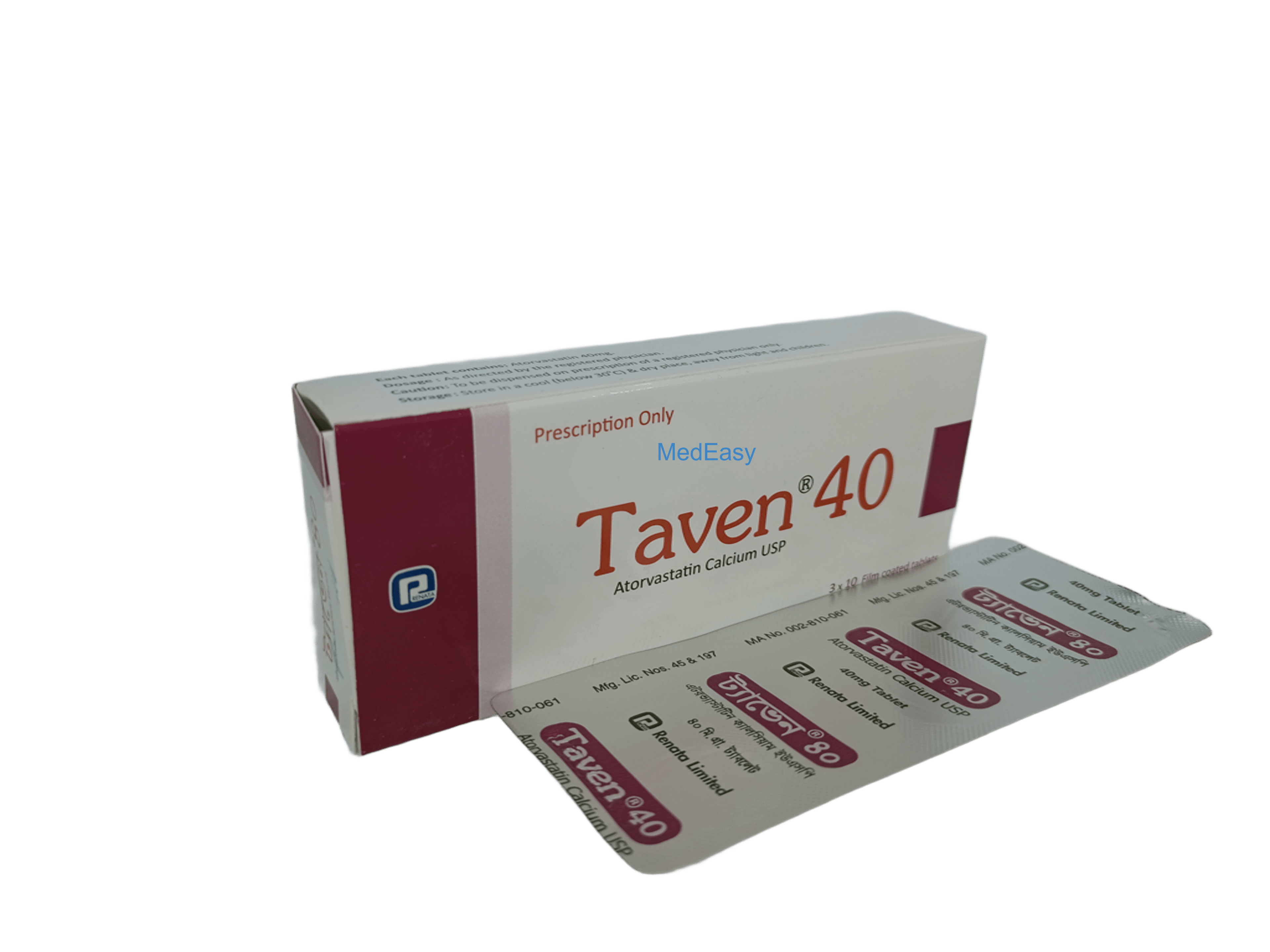
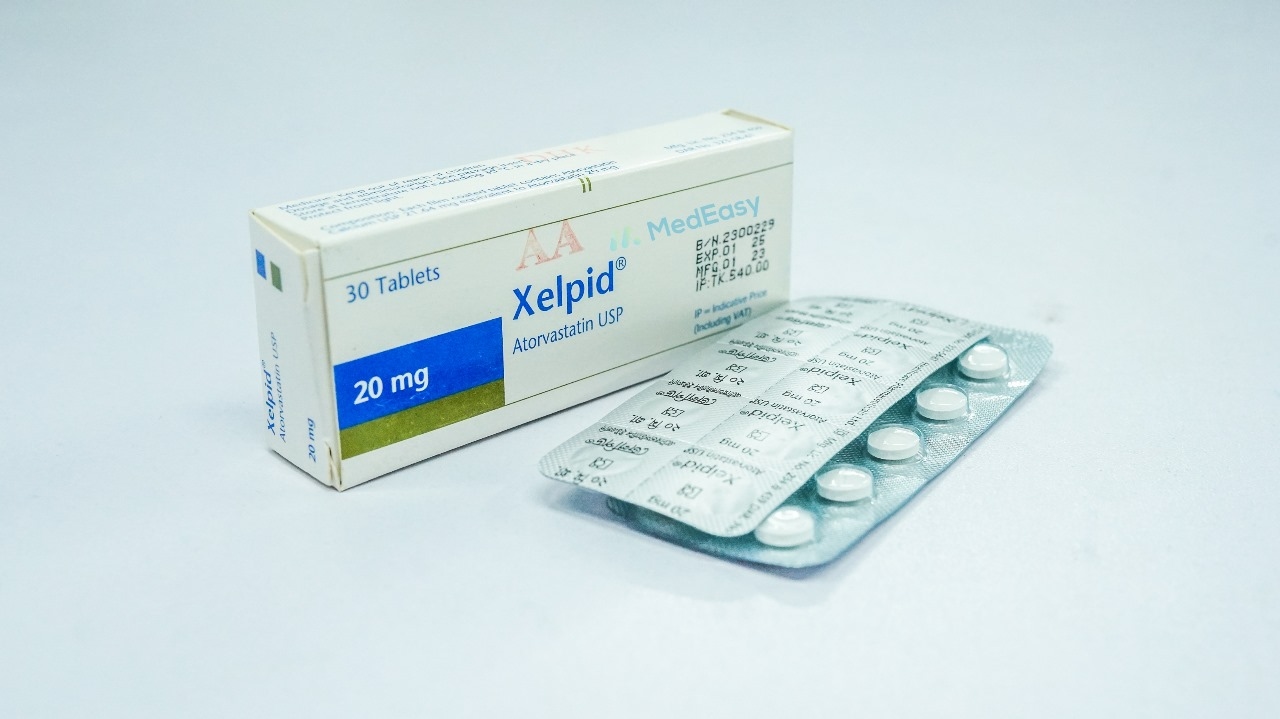
Generic medicine

Atorvastatin Calcium: Brands, Price & Uses in Bangladesh

Atorvastatin Calcium is indicated for the following uses: Established / FDA-approved uses As an adjunct to diet, to reduce elevated total cholesterol, LDL-cholesterol, apolipoprotein B and more.

Forms:Tablet

About Atorvastatin Calcium

Indications of Atorvastatin Calcium

Atorvastatin Calcium is indicated for the following uses:

Established / FDA-approved uses

  • As an adjunct to diet, to reduce elevated total cholesterol, LDL-cholesterol, apolipoprotein B, and triglycerides in patients with primary hyperlipidemia (including heterozygous familial and non-familial hypercholesterolemia) and mixed dyslipidemia.
  • To reduce elevated total cholesterol and LDL-cholesterol in patients with homozygous familial hypercholesterolemia, as an adjunct to other lipid-lowering treatments (e.g. LDL apheresis) or if such treatments are unavailable, since homozygous familial hypercholesterolemia often does not respond adequately to statins alone.
  • To reduce the risk of myocardial infarction, stroke, revascularization procedures, and angina in adults without established coronary heart disease who have multiple cardiovascular risk factors, and in patients with established atherosclerotic cardiovascular disease (primary and secondary prevention).
  • Pediatric patients aged 10 years and older with heterozygous familial hypercholesterolemia, as an adjunct to diet, when an adequate trial of diet therapy has failed.

Guideline-supported use

  • First-line lipid-lowering therapy in patients meeting guideline thresholds for atherosclerotic cardiovascular disease risk reduction, per major cardiology society guidance.

Atorvastatin Calcium is not indicated for the acute treatment of high triglyceride levels causing pancreatitis, and is not a substitute for diet, exercise, and other lifestyle measures.

Dosage & Administration of Atorvastatin Calcium

Dosing by indication

IndicationAdult doseNotes
Primary hyperlipidemia / mixed dyslipidemiaInitial: 10-20 mg once daily (up to 40 mg once daily may be used as a starting dose in patients requiring a larger LDL-C reduction)Adjust dose based on response, at intervals of 2-4 weeks; usual range 10-80 mg once daily
Cardiovascular risk reduction (with or without established atherosclerotic disease)10-80 mg once dailyDose selected based on baseline risk and LDL-C goal
Homozygous familial hypercholesterolemia10-80 mg once dailyUsed as an adjunct to other LDL-lowering treatments (e.g. LDL apheresis) or if such treatments are unavailable
Heterozygous familial hypercholesterolemia (pediatric, 10-17 years)Initial: 10 mg once daily; may titrate up to a maximum of 20 mg once dailySee Pediatric Uses

Renal impairment

No dose adjustment of Atorvastatin Calcium is required in patients with renal impairment, as renal disease does not meaningfully affect its plasma concentrations or lipid-lowering efficacy.

Hepatic impairment

Atorvastatin Calcium is contraindicated in patients with active liver disease (see Contraindications). Use with caution and at the lowest effective dose in patients with a history of liver disease who do not meet contraindication criteria, with periodic liver enzyme monitoring.

Side Effects of Atorvastatin Calcium

Common and serious side effects associated with Atorvastatin Calcium include:

Common (may affect more than 1 in 100 people)

  • Nasopharyngitis, joint pain (arthralgia)
  • Diarrhea, dyspepsia, nausea, flatulence
  • Muscle pain or discomfort (myalgia)
  • Headache
  • Insomnia
  • Elevated liver enzymes (transaminases)

Uncommon to rare but serious

  • Myopathy and, rarely, rhabdomyolysis (severe muscle breakdown that can cause kidney damage) — seek prompt medical attention for unexplained muscle pain, tenderness, or weakness, especially if accompanied by fever, dark urine, or malaise.
  • Hepatotoxicity, including rare cases of liver failure.
  • Hypersensitivity reactions, including angioedema and, rarely, severe skin reactions (e.g. Stevens-Johnson syndrome).
  • Increased blood glucose and new-onset type 2 diabetes (a modest signal; the cardiovascular benefit generally outweighs this risk in appropriate candidates).
  • Peripheral neuropathy and memory impairment/confusion (rare, generally reversible on discontinuation).

Contraindications of Atorvastatin Calcium

Atorvastatin Calcium is contraindicated in the following situations:

  • Known hypersensitivity to Atorvastatin Calcium or any component of the formulation.
  • Active liver disease, which may include unexplained persistent elevations of serum transaminases.
  • Pregnancy (see Pregnancy and Lactation).
  • Breastfeeding (see Pregnancy and Lactation).

Frequently Asked Questions about Atorvastatin Calcium

What is Atorvastatin Calcium used for?

Atorvastatin Calcium is used to lower high cholesterol and triglyceride levels and to reduce the risk of heart attack, stroke, and other cardiovascular events in people with, or at risk of, atherosclerotic cardiovascular disease. It is also used in certain inherited cholesterol disorders (familial hypercholesterolemia).

How should I take Atorvastatin Calcium?

Atorvastatin Calcium is usually taken once daily, at any time of day, with or without food, and should be taken at about the same time each day. Swallow the tablet whole with water. Do not stop taking it without talking to your physician, even if you feel well, because cholesterol control requires ongoing treatment.

What side effects should I watch for with Atorvastatin Calcium?

Most people tolerate Atorvastatin Calcium well, but some experience muscle aches, joint pain, digestive upset, or headache. Seek prompt medical attention if you develop unexplained muscle pain, tenderness, or weakness, especially with fever or dark urine, as this can rarely signal a serious muscle problem (rhabdomyolysis). Report any yellowing of the skin/eyes or unusual fatigue, which could indicate a liver problem.

Can I take Atorvastatin Calcium during pregnancy or while breastfeeding?

No. Atorvastatin Calcium is contraindicated in pregnancy and during breastfeeding, because cholesterol is essential for normal fetal development and the drug may cause fetal harm. If you become pregnant or are planning pregnancy while taking Atorvastatin Calcium, stop the medicine and contact your physician immediately. Women who need this medicine should not breastfeed and should discuss alternatives with their doctor.

Are there any foods or medicines I should avoid with Atorvastatin Calcium?

Avoid drinking large amounts of grapefruit juice while taking Atorvastatin Calcium, as it can raise drug levels in the blood. Tell your physician about all medicines you take, especially certain antibiotics/antifungals (e.g. clarithromycin, itraconazole), cyclosporine, fibrates such as gemfibrozil, and colchicine, since these can increase the risk of muscle-related side effects when combined with Atorvastatin Calcium.

What happens if I miss a dose or take too much Atorvastatin Calcium?

If you miss a dose of Atorvastatin Calcium, take it as soon as you remember unless it is almost time for your next dose — do not double up. If you or someone else has taken more than the prescribed amount of Atorvastatin Calcium, seek immediate medical attention or contact a poison control center right away.

Disclaimer

The information provided is accurate to the best of our knowledge, but it does not replace professional medical advice. We cannot guarantee its completeness or accuracy, and the absence of specific information about a drug should not be taken as an endorsement. We are not responsible for any consequences arising from this information, so please consult a healthcare professional for any concerns or questions.

DoctorBlogArticles