Generic medicine

Atropine Sulfate: Brands, Price & Uses in Bangladesh

Atropine Sulfate is a naturally occurring antimuscarinic (anticholinergic) alkaloid used in several distinct clinical settings and more.

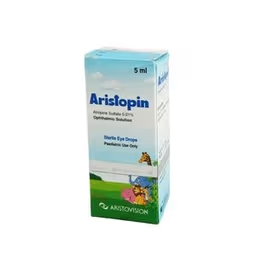
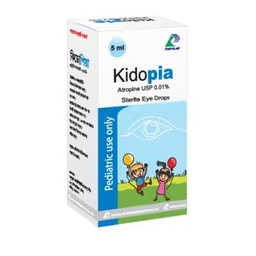
Forms:Ophthalmic SolutionInjection

About Atropine Sulfate

Indications of Atropine Sulfate

Atropine Sulfate is a naturally occurring antimuscarinic (anticholinergic) alkaloid used in several distinct clinical settings, ranging from emergency cardiac and toxicological use to routine ophthalmic examination.

Established/FDA-approved uses

  • Symptomatic bradycardia: First-line treatment for hemodynamically significant sinus bradycardia and certain bradyarrhythmias, including in advanced cardiac life support (ACLS) protocols.
  • Antidote for organophosphate/carbamate insecticide poisoning and nerve agent (cholinergic) toxicity: Used to reverse the muscarinic effects of excess acetylcholine (excessive secretions, bradycardia, bronchospasm) caused by cholinesterase-inhibiting poisons.
  • Antidote for overdose of cholinergic drugs (e.g. cholinesterase inhibitors such as physostigmine or excessive pyridostigmine/neostigmine effect).
  • Preanesthetic medication: To reduce salivary and bronchial secretions and to block vagally mediated reflex bradycardia during induction of anesthesia, intubation, or surgery.
  • Ophthalmic mydriasis and cycloplegia: As eye drops/ointment, for pupil dilation and paralysis of accommodation to permit thorough examination of the retina and accurate refraction, and in the treatment of anterior uveitis/iritis (to relieve ciliary spasm, reduce pain, and prevent posterior synechiae).

Guideline-supported / adjunct uses

  • Reversal of neuromuscular blockade: Given together with an anticholinesterase agent (e.g. neostigmine) at the end of surgery to counteract the excessive muscarinic (cholinergic) side effects — such as bradycardia, excess secretions, and bronchospasm — that the anticholinesterase would otherwise cause.
  • Antispasmodic/antisecretory adjunct in selected gastrointestinal or genitourinary spasm, and as an antisialagogue to reduce excessive drooling in selected clinical situations, generally as an adjunct rather than a first-line treatment.

Use of Atropine Sulfate should always be guided by the specific clinical indication, and dosing and route (systemic vs. ophthalmic) differ substantially between these uses.

Dosage & Administration of Atropine Sulfate

Dosing of Atropine Sulfate varies substantially by indication, route, and patient age/weight, and should always be individualized by the treating physician.

Bradycardia (adult, e.g. ACLS)

SettingTypical dose
Symptomatic bradycardia0.5 mg intravenously every 3-5 minutes as needed, to a total dose of 3 mg (doses below 0.5 mg may paradoxically slow the heart rate further and should be avoided)

Organophosphate/carbamate poisoning or nerve agent exposure (adult)

SettingTypical dose
Moderate-to-severe poisoning1-2 mg intravenously (or intramuscularly if IV access is unavailable) every 5-10 minutes, repeated and titrated upward until secretions clear and bradycardia resolves ("atropinization"); large cumulative doses may be required in severe poisoning under close medical/ICU supervision, together with pralidoxime and supportive care as indicated

Preanesthetic medication (adult)

SettingTypical dose
Before anesthesia/surgery0.4-0.6 mg intramuscularly or intravenously, given shortly before induction, or as directed by the anesthesiologist

Ophthalmic mydriasis/cycloplegia and uveitis (adult and pediatric)

SettingTypical dose
Refraction/examination1 drop of 1% solution (or small amount of ointment) instilled in the eye(s), 1 hour before examination, as directed by the ophthalmologist
Uveitis/iritis1 drop of 1% solution 1-3 times daily, or as directed, for the duration prescribed by the ophthalmologist

Pediatric and weight-based dosing for bradycardia and poisoning antidote use are described under Use in Special Populations. Exact dose, route, frequency, and total duration must be determined by the treating physician based on the specific indication and clinical response.

Side Effects of Atropine Sulfate

Side effects of Atropine Sulfate are largely predictable extensions of its anticholinergic action and are generally dose-related.

  • Common: dry mouth, blurred vision, photophobia (light sensitivity), pupil dilation, mild tachycardia/palpitations, flushing, decreased sweating, constipation, and difficulty urinating/urinary hesitancy.
  • Less common but important: confusion, restlessness, drowsiness, or (particularly in the elderly or at higher doses) agitation and hallucinations; urinary retention; heat intolerance due to decreased sweating.
  • Ophthalmic use: local stinging or burning on instillation, eye irritation, increased intraocular pressure (particularly with predisposition to angle closure), and, with prolonged use, contact dermatitis of the eyelids.
  • High dose/rapid administration: marked tachycardia, and, rarely, cardiac arrhythmias.

Contraindications of Atropine Sulfate

Atropine Sulfate is contraindicated in patients with:

  • Known hypersensitivity to Atropine Sulfate or other belladonna alkaloids.
  • Narrow-angle (angle-closure) glaucoma, for ophthalmic use, due to the risk of precipitating a sight-threatening acute rise in intraocular pressure.

For non-emergency systemic use, Atropine Sulfate is also generally avoided in obstructive gastrointestinal disease (e.g. pyloric stenosis, paralytic ileus) and obstructive uropathy, because blocking smooth-muscle tone can worsen these conditions. However, in life-threatening indications — such as symptomatic bradycardia/cardiac arrest or organophosphate/nerve-agent poisoning — Atropine Sulfate is used regardless of these relative contraindications, because the emergency benefit outweighs the risk; such use should be under close medical supervision.

Frequently Asked Questions about Atropine Sulfate

What is Atropine Sulfate used for?

Atropine Sulfate is used to treat symptomatic slow heart rate (bradycardia), as the main antidote for organophosphate/carbamate insecticide poisoning and nerve agent exposure, as a preanesthetic medication to reduce secretions before surgery, and in eye drop/ointment form to dilate the pupil and paralyze focusing for eye examinations and to treat certain inflammatory eye conditions (uveitis).

How is Atropine Sulfate given?

The injectable form of Atropine Sulfate is given only by a healthcare professional, by intravenous or intramuscular injection, in a hospital or emergency setting. The ophthalmic form is given as eye drops or ointment, as directed by an ophthalmologist. It is not a medicine you take by mouth in these uses.

What are the common side effects of Atropine Sulfate?

Common side effects include dry mouth, blurred vision, sensitivity to light, a faster heartbeat, flushing, reduced sweating, constipation, and difficulty urinating. These occur because Atropine Sulfate blocks a nerve signal (acetylcholine) throughout the body, not just at the intended site of action.

Is Atropine Sulfate safe during pregnancy or breastfeeding?

Atropine Sulfate should be used in pregnancy or while breastfeeding only if clearly needed, because the potential risks and benefits must be weighed by a physician; small amounts cross the placenta and pass into breast milk. However, in a life-threatening emergency such as severe bradycardia or poisoning, Atropine Sulfate is given regardless of pregnancy status because the benefit of treating the mother outweighs the risk.

Who should not receive Atropine Sulfate?

Atropine Sulfate should not be used by anyone with a known allergy to Atropine Sulfate or related belladonna alkaloids, and ophthalmic Atropine Sulfate should not be used in people with narrow-angle glaucoma. In non-emergency settings it is also generally avoided in certain bowel or urinary blockage conditions, though in a life-threatening emergency these are not treated as barriers to use.

What happens if too much Atropine Sulfate is given?

An overdose of Atropine Sulfate can cause a fast heart rate, high body temperature, flushed and dry skin, dilated pupils, confusion, agitation, or hallucinations, and in severe cases seizures or coma. If an overdose is suspected, seek immediate medical attention or contact emergency services/poison control right away; do not try to manage it at home.

Disclaimer

The information provided is accurate to the best of our knowledge, but it does not replace professional medical advice. We cannot guarantee its completeness or accuracy, and the absence of specific information about a drug should not be taken as an endorsement. We are not responsible for any consequences arising from this information, so please consult a healthcare professional for any concerns or questions.

DoctorBlogArticles