
Generic medicine

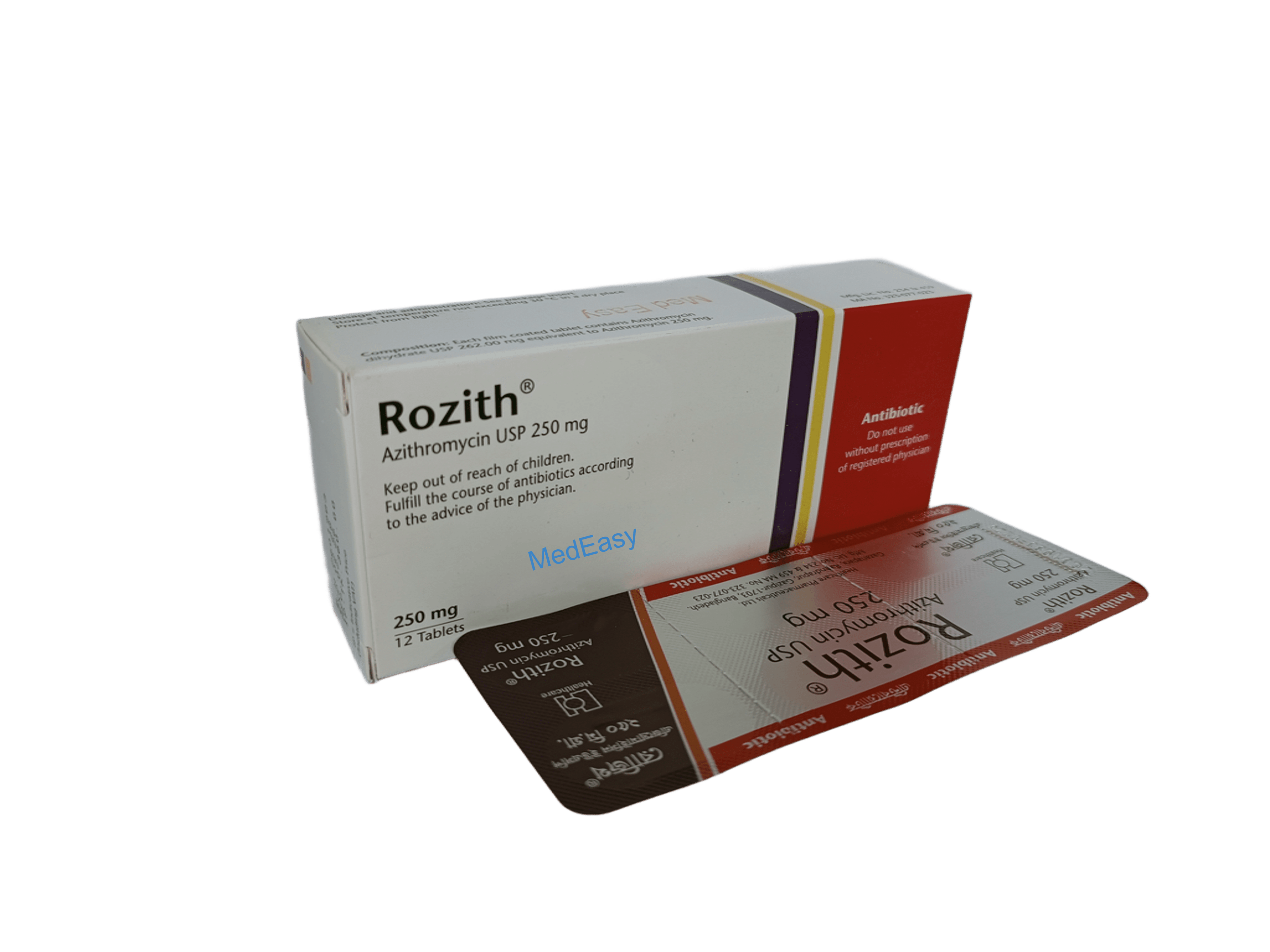
Azithromycin: Brands, Price & Uses in Bangladesh

Azithromycin is a macrolide antibiotic used to treat a range of bacterial infections caused by susceptible organisms.

Forms:TabletPowder for SuspensionCapsuleOphthalmic Solution

About Azithromycin

Indications of Azithromycin

Azithromycin is a macrolide antibiotic used to treat a range of bacterial infections caused by susceptible organisms. Indications vary in the strength of supporting evidence:

FDA-Approved / Established Uses

  • Acute bacterial exacerbations of chronic bronchitis
  • Acute bacterial sinusitis
  • Community-acquired pneumonia (mild to moderate, in appropriate outpatients)
  • Pharyngitis/tonsillitis (as an alternative in patients unable to take first-line therapy)
  • Uncomplicated skin and skin-structure infections
  • Acute otitis media (children)
  • Urethritis and cervicitis due to Chlamydia trachomatis or non-gonococcal organisms
  • Genital ulcer disease (chancroid) in men

Guideline-Supported Uses

  • Enteric fever (typhoid) caused by susceptible Salmonella typhi, where locally supported by susceptibility data
  • Mycobacterium avium complex (MAC) disease prevention and treatment, used as part of combination antimycobacterial regimens in eligible patients

Off-Label / Adjunct Uses

  • Traveler's diarrhea (off-label, in selected patients)
  • Cystic fibrosis-related chronic airway inflammation (anti-inflammatory/immunomodulatory adjunct use, off-label)

Azithromycin should be used only for infections proven or strongly suspected to be caused by susceptible bacteria.

Dosage & Administration of Azithromycin

Azithromycin dosing is indication-specific. Representative adult and pediatric regimens are summarized below; the prescribing physician's instructions should always take precedence.

IndicationAdult DosePediatric Dose
Respiratory tract infections (bronchitis, sinusitis, pneumonia, pharyngitis)500 mg on Day 1, then 250 mg once daily on Days 2–5; or 500 mg once daily for 3 days10 mg/kg (max 500 mg) on Day 1, then 5 mg/kg once daily on Days 2–5 (children ≥6 months, per physician guidance)
Acute otitis mediaNot typically indicated10 mg/kg once daily for 3 days, or 10 mg/kg on Day 1 then 5 mg/kg on Days 2–5
Uncomplicated skin/skin-structure infections500 mg on Day 1, then 250 mg once daily on Days 2–5Weight-based, per physician
Chlamydial urethritis/cervicitis1 g as a single oral doseNot routinely used; specialist guidance required
Chancroid1 g as a single oral doseNot applicable
Enteric (typhoid) fever*500 mg once daily for 7 days10–20 mg/kg once daily (max 500 mg/day) for 7 days, per local guidelines
Community-acquired pneumonia (IV-to-oral)500 mg IV once daily for at least 2 days, then 500 mg orally to complete a 7–10 day courseSpecialist/hospital guidance

*Where used for enteric fever, treatment should be guided by local antimicrobial susceptibility patterns and physician judgment.

Tablets and suspension may be taken with or without food, although the suspension may be better tolerated with food in some patients. Doses should be taken at approximately the same time each day.

Antibiotic stewardship: Take Azithromycin exactly as prescribed by your physician; do not stop, extend, skip doses, or share this medicine with others without medical advice, even if symptoms improve before the course is completed.

Side Effects of Azithromycin

Most adverse effects associated with Azithromycin are mild to moderate and gastrointestinal in nature.

Common

  • Diarrhea/loose stools
  • Nausea
  • Abdominal pain
  • Vomiting
  • Headache

Less Common / Serious (see Precautions and Warnings for detail)

  • QT prolongation and cardiac arrhythmia
  • Hepatotoxicity, including cholestatic jaundice
  • Clostridioides difficile-associated diarrhea/colitis
  • Allergic reactions, including rare severe skin reactions and anaphylaxis
  • Reversible hearing impairment with prolonged high-dose use

Contraindications of Azithromycin

Azithromycin is contraindicated in:

  • Patients with known hypersensitivity to Azithromycin, erythromycin, or any macrolide/ketolide antibiotic.
  • Patients with a history of cholestatic jaundice or hepatic dysfunction associated with prior use of Azithromycin.

Frequently Asked Questions about Azithromycin

What is Azithromycin used for?

Azithromycin is an antibiotic used to treat bacterial infections of the respiratory tract, skin, ears, and certain sexually transmitted infections, among other susceptible bacterial infections, as directed by a physician.

How should I take Azithromycin?

Azithromycin should be taken exactly as prescribed, at the same time each day, with or without food. Complete the full course even if you feel better before finishing it, unless your physician advises otherwise.

Can I take Azithromycin during pregnancy?

Azithromycin should be used during pregnancy only if clearly needed and if the potential benefit justifies the potential risk to the fetus. Always consult your physician before use during pregnancy.

What are the common side effects of Azithromycin?

The most common side effects of Azithromycin include diarrhea, nausea, abdominal pain, vomiting, and headache. Most are mild and resolve on their own; contact your physician if symptoms are severe or persistent.

Who should not take Azithromycin?

Azithromycin should not be taken by anyone with a known allergy to azithromycin or other macrolide antibiotics, or by anyone with a history of liver problems (cholestatic jaundice) caused by previous use of Azithromycin.

What should I do if I miss a dose or take too much Azithromycin?

If you miss a dose of Azithromycin, take it as soon as you remember unless it is almost time for the next dose. If you suspect an overdose of Azithromycin, seek immediate medical attention or contact a poison control center right away.

Disclaimer

The information provided is accurate to the best of our knowledge, but it does not replace professional medical advice. We cannot guarantee its completeness or accuracy, and the absence of specific information about a drug should not be taken as an endorsement. We are not responsible for any consequences arising from this information, so please consult a healthcare professional for any concerns or questions.

DoctorBlogArticles