Generic medicine

Beclomethasone Dipropionate: Brands, Price & Uses in Bangladesh

Beclomethasone Dipropionate is a synthetic corticosteroid used by the inhaled and intranasal routes for the long-term maintenance treatment of chronic inflammatory airway and nasal conditions.

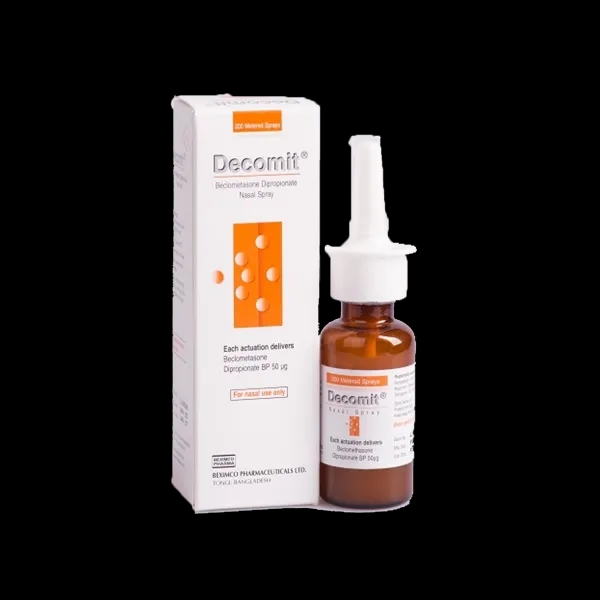
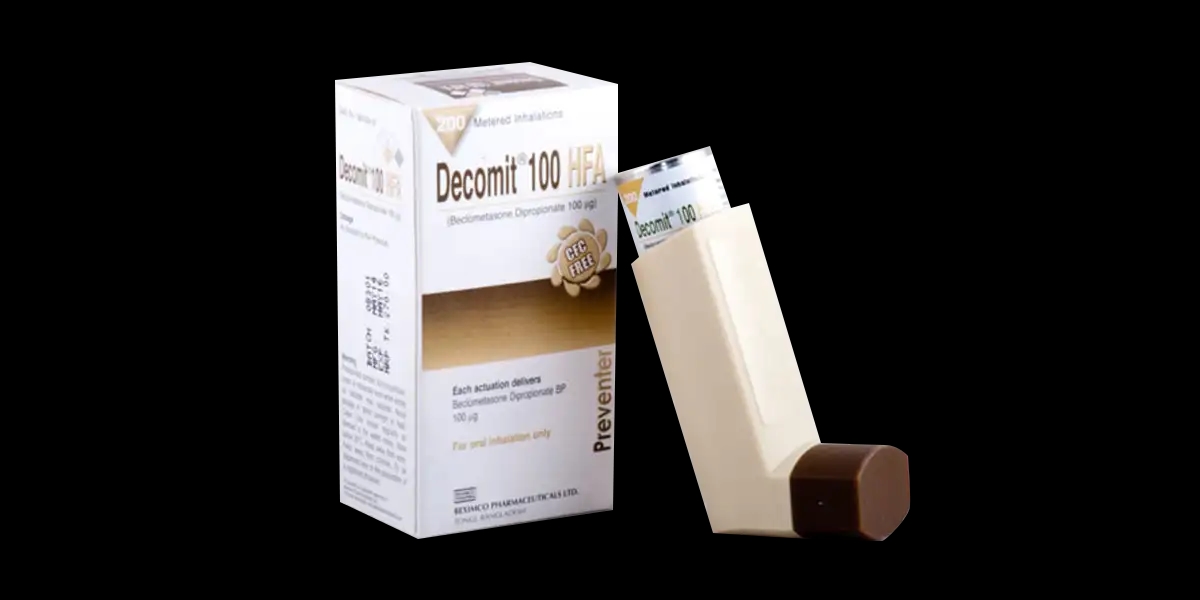
Forms:InhalerNasal Spray

About Beclomethasone Dipropionate

Indications of Beclomethasone Dipropionate

Beclomethasone Dipropionate is a synthetic corticosteroid used by the inhaled and intranasal routes for the long-term maintenance treatment of chronic inflammatory airway and nasal conditions. It is not a rescue medicine for acute symptom relief.

Established / FDA-Approved Uses

  • Maintenance treatment of asthma (oral inhalation) — as prophylactic, regular anti-inflammatory therapy in adults and children (age per specific product labeling) with asthma requiring inhaled corticosteroid therapy, including patients previously requiring or currently taking oral corticosteroids.
  • Seasonal and perennial allergic rhinitis (intranasal spray) — for relief of nasal symptoms (congestion, sneezing, rhinorrhea, itching) in adults and adolescents/children (per product labeling).
  • Prevention of recurrence of nasal polyps after surgical (polypectomy) removal (intranasal, in some formulations).

Important Note

Beclomethasone Dipropionate inhalation is not indicated for the relief of acute bronchospasm or status asthmaticus, where a fast-acting bronchodilator (rescue inhaler) is required instead.

Dosage & Administration of Beclomethasone Dipropionate

Dosing by Indication

IndicationPopulationTypical Dose of Beclomethasone Dipropionate
Asthma maintenance (oral inhalation)Adults and adolescents (≥12 years, or per product labeling)Starting dose typically 40–160 mcg twice daily depending on prior therapy and severity; maximum per product labeling (commonly up to 320–640 mcg/day divided doses). Titrate to lowest effective dose once control is achieved.
Children (age per specific product labeling, commonly ≥5 years)Lower starting doses (e.g., 40 mcg twice daily), titrated by the prescriber; not established for very young children with some formulations.
Allergic rhinitis (intranasal spray)Adults and adolescents (≥12 years)Typically 1–2 sprays (approx. 42–84 mcg) per nostril once or twice daily; do not exceed the maximum daily dose stated on the product label.
Children (age per specific product labeling, commonly ≥6 years)Typically 1 spray per nostril once or twice daily, under medical supervision; safety and efficacy below the labeled minimum age not established.

General Principles

  • Beclomethasone Dipropionate must be used regularly, as prescribed, for maintenance effect — it is not effective for immediate relief of acute bronchospasm or nasal congestion.
  • Improvement may take several days to weeks of regular use; do not stop abruptly without medical advice.
  • Use the lowest dose that maintains adequate control; the dose should be periodically reassessed by the physician.
  • See Administration for correct technique and Use in Special Populations for age-specific considerations.

Side Effects of Beclomethasone Dipropionate

Local Effects

  • Inhaled route: oral/oropharyngeal candidiasis (thrush), hoarseness, dysphonia, throat irritation, cough — largely reduced by rinsing the mouth after use and using a spacer.
  • Intranasal route: nasal irritation, dryness, burning, epistaxis (nosebleeds), and, rarely with prolonged/incorrect use, nasal septal perforation.

Systemic Effects (generally uncommon at recommended doses, more likely with high-dose or prolonged use)

  • Hypothalamic-pituitary-adrenal (HPA) axis suppression.
  • Reduced growth velocity in children (see Use in Special Populations).
  • Increased susceptibility to infections; unmasking of latent infections.
  • Increased risk of pneumonia has been reported with inhaled corticosteroids, particularly in patients with COPD.
  • Cataracts, glaucoma, and increased intraocular pressure with long-term use.
  • Hypersensitivity reactions (rash, urticaria, angioedema, bronchospasm) — uncommon.

Contraindications of Beclomethasone Dipropionate

Beclomethasone Dipropionate is contraindicated in:

  • Patients with known hypersensitivity to Beclomethasone Dipropionate or to any excipient in the specific formulation.
  • The primary treatment of status asthmaticus or other acute episodes of asthma/bronchospasm requiring intensive measures — Beclomethasone Dipropionate is not a rescue medication.

Frequently Asked Questions about Beclomethasone Dipropionate

What is Beclomethasone Dipropionate used for?

Beclomethasone Dipropionate is a corticosteroid used by inhalation for the long-term maintenance treatment of asthma and, as a nasal spray, for the treatment of seasonal and perennial allergic rhinitis. It works by reducing inflammation in the airways or nasal passages and is used regularly for prevention, not for immediate relief of an asthma attack or sudden nasal congestion.

Can I use Beclomethasone Dipropionate to stop a sudden asthma attack?

No. Beclomethasone Dipropionate is not a rescue medication and does not act quickly enough to relieve acute bronchospasm or an asthma attack. You should always have a fast-acting bronchodilator (rescue) inhaler available for sudden symptoms, and use Beclomethasone Dipropionate only for regular, ongoing control as prescribed.

What are the common side effects of Beclomethasone Dipropionate?

When inhaled, Beclomethasone Dipropionate can commonly cause a fungal mouth/throat infection (oral thrush), hoarseness, throat irritation, and cough; rinsing the mouth with water after each dose reduces this risk. When used as a nasal spray, common side effects include nasal irritation, dryness, and occasional nosebleeds. Using higher-than-recommended doses for a long time can lead to more serious effects such as suppression of the body's natural steroid production, especially in children where growth should be monitored.

Is Beclomethasone Dipropionate safe during pregnancy and breastfeeding?

Beclomethasone Dipropionate should be used during pregnancy only if clearly needed, since uncontrolled asthma can also be harmful to both mother and baby; a physician should weigh the benefits and risks for each individual case rather than stopping treatment abruptly. Because very little of the inhaled or intranasal dose enters the bloodstream, Beclomethasone Dipropionate is generally considered compatible with breastfeeding at recommended doses, but you should consult a physician before use while breastfeeding.

How should I use my Beclomethasone Dipropionate inhaler or nasal spray correctly?

For the inhaler, shake it well, breathe out fully, inhale slowly and deeply while pressing the canister, hold your breath for about 10 seconds, and rinse your mouth with water afterward. For the nasal spray, blow your nose first, tilt your head slightly forward, and aim the spray away from the center wall of your nose (the septum) to avoid irritation. Always follow the specific instructions provided with your particular Beclomethasone Dipropionate product.

What should I do if I miss a dose or accidentally take too much Beclomethasone Dipropionate?

If you miss a dose, take it as soon as you remember unless it is almost time for the next dose; do not double the dose. Because Beclomethasone Dipropionate is meant for regular use, missing an occasional dose is unlikely to cause harm, but consistent use gives the best control. If you or someone else has used significantly more Beclomethasone Dipropionate than prescribed, or ingested it accidentally, seek immediate medical attention or contact a poison control center rather than trying to manage it at home.

Disclaimer

The information provided is accurate to the best of our knowledge, but it does not replace professional medical advice. We cannot guarantee its completeness or accuracy, and the absence of specific information about a drug should not be taken as an endorsement. We are not responsible for any consequences arising from this information, so please consult a healthcare professional for any concerns or questions.

DoctorBlogArticles