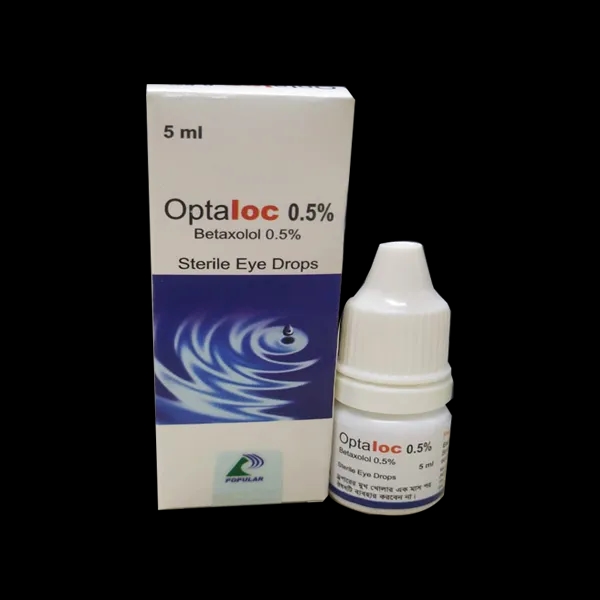
Generic medicine

Betaxolol Hydrochloride: Brands, Price & Uses in Bangladesh

Betaxolol Hydrochloride is a cardioselective (beta-1 selective) adrenergic receptor blocking agent used in two distinct formulations for different, FDA-approved indications.

Forms:Ophthalmic SolutionOphthalmic Suspension

About Betaxolol Hydrochloride

Indications of Betaxolol Hydrochloride

Betaxolol Hydrochloride is a cardioselective (beta-1 selective) adrenergic receptor blocking agent used in two distinct formulations for different, FDA-approved indications.

Established/FDA-approved uses

  • Hypertension (oral tablets): Management of high blood pressure, used alone or in combination with other antihypertensive agents such as a thiazide diuretic.
  • Chronic open-angle glaucoma and ocular hypertension (ophthalmic solution/suspension): Lowering of elevated intraocular pressure (IOP), used alone or in combination with other IOP-lowering agents.

Adjunct/combination use

In glaucoma management, Betaxolol Hydrochloride ophthalmic solution is frequently used as adjunctive therapy when IOP is not adequately controlled by a single agent, and in hypertension the oral form is commonly added to a diuretic or other antihypertensive when monotherapy is insufficient.

Betaxolol Hydrochloride is not indicated for angle-closure glaucoma and does not have miotic properties needed to reverse angle closure.

Dosage & Administration of Betaxolol Hydrochloride

Hypertension (oral tablets)

PopulationDose
Adults - initial10 mg of Betaxolol Hydrochloride orally once daily, alone or added to a diuretic
Adults - maintenanceIf response is inadequate after 7-14 days, the dose may be increased to 20 mg once daily; doses above 20 mg once daily provide little additional effect
Elderly / renal impairmentLower starting dose (e.g., 5 mg once daily) with slow titration; see Use in Special Populations
PediatricSafety and efficacy not established

Open-angle glaucoma / ocular hypertension (ophthalmic solution/suspension)

PopulationDose
AdultsOne drop of Betaxolol Hydrochloride ophthalmic solution (0.5%) or suspension (0.25%) in the affected eye(s) twice daily
PediatricSafety and efficacy not established

Betaxolol Hydrochloride oral therapy should not be stopped abruptly (see Precautions and Warnings). Missed doses should be taken as soon as remembered unless the next dose is nearly due, in which case the missed dose should be skipped - do not double the dose.

Side Effects of Betaxolol Hydrochloride

Oral tablets

  • Common: Fatigue, bradycardia, dizziness, insomnia, drowsiness, decreased libido.
  • Less common: Cold extremities, edema, chest pain, dyspnea, gastrointestinal upset (nausea, diarrhea).
  • Rare/serious: Symptomatic bradycardia, worsening of heart failure, bronchospasm (in susceptible patients).

Ophthalmic solution/suspension

  • Common: Transient ocular discomfort or stinging on instillation, tearing.
  • Less common: Blurred vision, decreased corneal sensitivity, photophobia, dry eyes.
  • Rare/serious: Systemic beta-blockade effects (bradycardia, bronchospasm) due to systemic absorption, particularly in susceptible individuals.

Contraindications of Betaxolol Hydrochloride

Betaxolol Hydrochloride is contraindicated in patients with:

  • Known hypersensitivity to Betaxolol Hydrochloride or any component of the formulation.
  • Sinus bradycardia or sick sinus syndrome, in the absence of a functioning pacemaker.
  • Second- or third-degree atrioventricular (AV) block, in the absence of a functioning pacemaker.
  • Overt (decompensated) cardiac failure.
  • Cardiogenic shock.

For the ophthalmic formulation, use is additionally contraindicated in patients with a history of bronchial asthma or severe chronic obstructive pulmonary disease, as some systemic absorption can occur even with topical ocular dosing.

Frequently Asked Questions about Betaxolol Hydrochloride

What is Betaxolol Hydrochloride used for?

Betaxolol Hydrochloride is used as oral tablets to treat high blood pressure (hypertension), and as an eye drop to reduce elevated pressure inside the eye in chronic open-angle glaucoma and ocular hypertension.

Can I stop taking Betaxolol Hydrochloride suddenly?

No. Oral Betaxolol Hydrochloride should never be stopped abruptly, especially if you have coronary artery disease, because sudden discontinuation can trigger worsening chest pain, heart attack, or dangerous heart rhythm problems. Your physician will taper the dose gradually if it needs to be stopped.

Who should not use Betaxolol Hydrochloride?

Betaxolol Hydrochloride should not be used by people with known hypersensitivity to it, severe slow heart rate (sinus bradycardia) or sick sinus syndrome without a pacemaker, second- or third-degree heart block without a pacemaker, decompensated heart failure, or cardiogenic shock. The eye drop form is also avoided in people with asthma or severe COPD.

Can Betaxolol Hydrochloride be used during pregnancy or breastfeeding?

Betaxolol Hydrochloride should be used in pregnancy only if the potential benefit clearly justifies the potential risk to the baby, since safety has not been fully established and beta-blockers used late in pregnancy have been linked with neonatal bradycardia, low blood sugar, and breathing problems. Whether Betaxolol Hydrochloride passes into breast milk is not well established, so a physician should be consulted before use while breastfeeding.

Does Betaxolol Hydrochloride affect diabetes management?

Yes, Betaxolol Hydrochloride can mask the fast heart rate that normally warns of low blood sugar (hypoglycemia). People with diabetes should monitor blood sugar carefully and discuss this with their physician.

What should I do if I miss a dose or think I have taken too much Betaxolol Hydrochloride?

If you miss a dose, take it as soon as you remember unless it is almost time for the next dose - do not double up. If you suspect an overdose (e.g., very slow heartbeat, severe dizziness, fainting, or difficulty breathing), seek immediate medical attention or contact emergency services right away.

Disclaimer

The information provided is accurate to the best of our knowledge, but it does not replace professional medical advice. We cannot guarantee its completeness or accuracy, and the absence of specific information about a drug should not be taken as an endorsement. We are not responsible for any consequences arising from this information, so please consult a healthcare professional for any concerns or questions.

DoctorBlogArticles