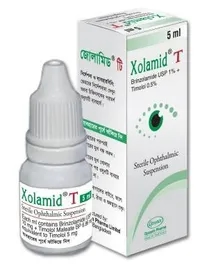
Generic medicine

Brinzolamide + Timolol: Brands, Price & Uses in Bangladesh

Brinzolamide + Timolol ophthalmic suspension is a fixed-dose combination indicated for the following: Established/FDA-approved use Reduction of elevated intraocular pressure (IOP) in patients with…

Forms:Ophthalmic Suspension

About Brinzolamide + Timolol

Indications of Brinzolamide + Timolol

Brinzolamide + Timolol ophthalmic suspension is a fixed-dose combination indicated for the following:

Established/FDA-approved use

  • Reduction of elevated intraocular pressure (IOP) in patients with open-angle glaucoma or ocular hypertension who are insufficiently responsive to monotherapy with a topical beta-blocker or a topical carbonic anhydrase inhibitor (i.e., used when a single-agent eye drop does not lower eye pressure enough).

Guideline-supported / adjunct use

  • As an adjunctive or replacement therapy in patients already being treated with the individual components (brinzolamide and timolol) given separately, to simplify the dosing regimen (combination therapy).

Brinzolamide + Timolol is not intended as first-line, single-agent therapy; it is used specifically as combination treatment when IOP control with one class of agent alone is inadequate.

Dosage & Administration of Brinzolamide + Timolol

Adult dosage

One drop of Brinzolamide + Timolol in the affected eye(s) twice daily (approximately 12 hours apart).

Administration instructions

  • Shake the bottle well before each use, as Brinzolamide + Timolol is a suspension.
  • If other topical ophthalmic medicines are also being used, administer them at least 5 minutes apart from Brinzolamide + Timolol.
  • Nasolacrimal occlusion (gently pressing on the inner corner of the eye near the nose) for 1–2 minutes after instilling Brinzolamide + Timolol, and closing the eyelids, is recommended to reduce systemic absorption and the risk of systemic beta-blocker side effects.
  • Remove soft contact lenses before instillation (the preservative benzalkonium chloride may be absorbed by soft lenses); lenses may be reinserted 15 minutes after dosing.
  • For topical ophthalmic (eye) use only — not for injection or oral use.
  • If a dose is missed, use it as soon as remembered unless it is close to the next scheduled dose; do not double the dose.

Renal/hepatic adjustment

No dose adjustment is established for hepatic impairment. Brinzolamide + Timolol has not been specifically studied in patients with severe renal impairment; brinzolamide should be used with caution in this group (see Precautions and Warnings).

Side Effects of Brinzolamide + Timolol

The most commonly reported side effects of Brinzolamide + Timolol include:

  • Blurred vision
  • Eye irritation, redness, or discomfort
  • Dysgeusia (unusual/bitter taste in the mouth after eye drop instillation)
  • Dry eye
  • Eye pain or a foreign-body sensation
  • Punctate keratitis (superficial corneal inflammation)
  • Ocular allergic reactions

Less common but clinically important effects (related mainly to systemic absorption of the timolol component) include bradycardia, hypotension, fatigue, headache, and (rarely) bronchospasm in susceptible individuals. Seek medical advice if any side effect is severe or persistent.

Contraindications of Brinzolamide + Timolol

Brinzolamide + Timolol is contraindicated in patients with:

  • Known hypersensitivity to brinzolamide, timolol, or any component of the formulation (brinzolamide is a sulfonamide derivative; cross-hypersensitivity with other sulfonamides is possible).
  • Reactive airway disease, including bronchial asthma or a history of bronchial asthma, or severe chronic obstructive pulmonary disease (COPD) — due to the systemic beta-blocking effects of the timolol component.
  • Sinus bradycardia, sick sinus syndrome, sinoatrial block, second- or third-degree atrioventricular (AV) block not controlled by a pacemaker.
  • Overt cardiac failure or cardiogenic shock.

Frequently Asked Questions about Brinzolamide + Timolol

What is Brinzolamide + Timolol eye drop used for?

Brinzolamide + Timolol is used to lower elevated intraocular pressure (eye pressure) in people with open-angle glaucoma or ocular hypertension, typically when a single eye-pressure-lowering medicine alone has not been enough.

How often should I use Brinzolamide + Timolol?

The usual dose is one drop in the affected eye(s) twice daily, about 12 hours apart. Always shake the bottle well before use and follow your doctor's specific instructions.

Can I use Brinzolamide + Timolol if I have asthma?

No. Brinzolamide + Timolol is contraindicated in people with bronchial asthma, a history of bronchial asthma, or severe COPD, because the timolol component can cause systemic beta-blockade and trigger bronchospasm even when used as an eye drop.

Is Brinzolamide + Timolol safe during pregnancy or breastfeeding?

Brinzolamide + Timolol should be used in pregnancy only if the potential benefit clearly outweighs potential risk to the fetus, and caution is needed during breastfeeding since timolol passes into breast milk. Always consult your physician before use in pregnancy or while breastfeeding.

What should I do if I accidentally swallow Brinzolamide + Timolol or use too much?

Seek immediate medical attention or contact a poison control center/emergency services right away, as overdose can cause slowed heart rate, low blood pressure, or breathing difficulty. Do not attempt home treatment.

Can I wear contact lenses while using Brinzolamide + Timolol?

Remove soft contact lenses before instilling Brinzolamide + Timolol, since the preservative can be absorbed by the lenses. Lenses may be reinserted about 15 minutes after using the drops.

Disclaimer

The information provided is accurate to the best of our knowledge, but it does not replace professional medical advice. We cannot guarantee its completeness or accuracy, and the absence of specific information about a drug should not be taken as an endorsement. We are not responsible for any consequences arising from this information, so please consult a healthcare professional for any concerns or questions.

DoctorBlogArticles