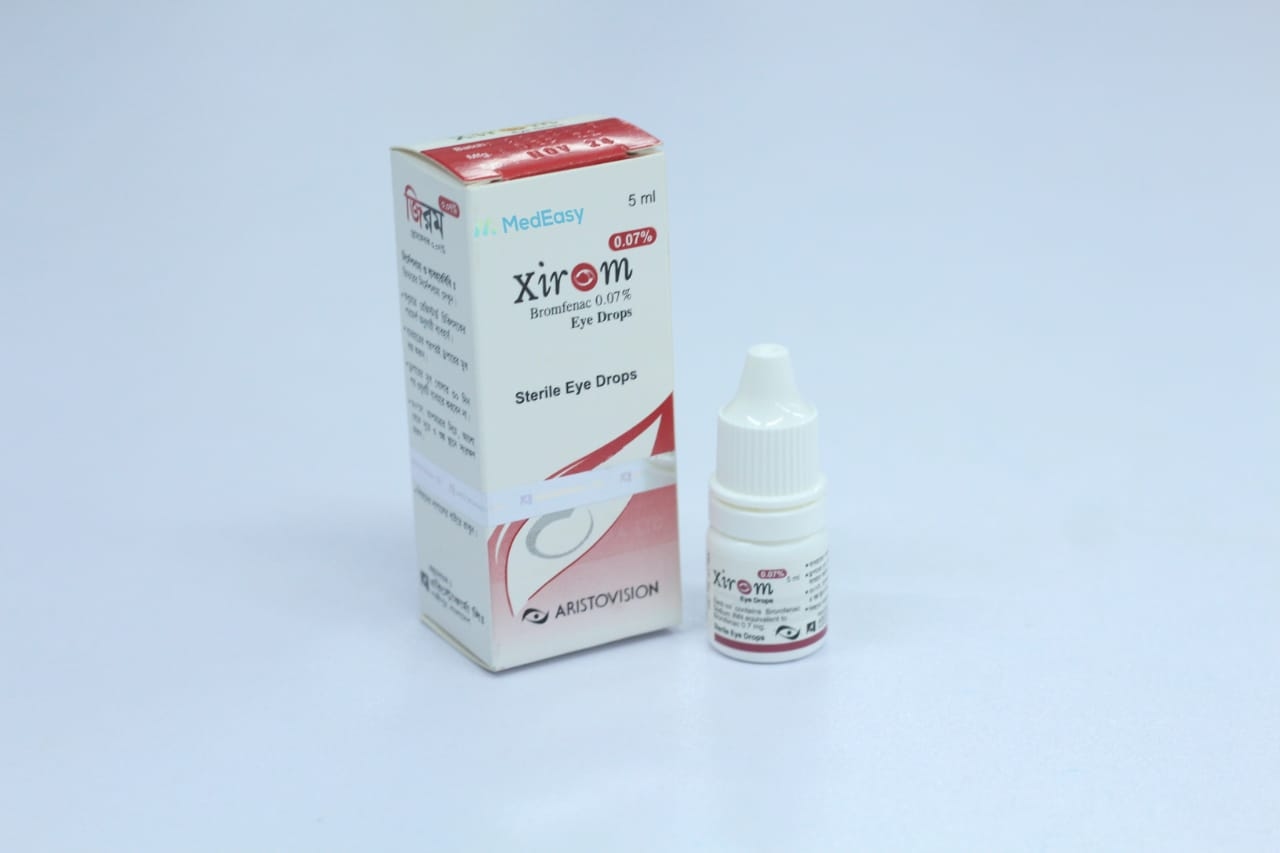
Generic medicine

Bromfenac Sodium: Brands, Price & Uses in Bangladesh

Bromfenac Sodium ophthalmic solution is a topical nonsteroidal anti-inflammatory drug (NSAID) formulated for use in the eye.

Forms:Eye DropOphthalmic Solution

About Bromfenac Sodium

Indications of Bromfenac Sodium

Bromfenac Sodium ophthalmic solution is a topical nonsteroidal anti-inflammatory drug (NSAID) formulated for use in the eye. Its evidence-based uses are as follows:

Established / FDA-approved use

  • Treatment of postoperative inflammation and reduction of ocular pain in patients who have undergone cataract surgery. This is the primary, well-established indication for Bromfenac Sodium ophthalmic solution and is supported by controlled clinical trials.

Guideline-supported / commonly extended use

  • Some ophthalmologists use Bromfenac Sodium ophthalmic solution off-label for control of postoperative inflammation following other anterior segment surgeries (e.g. corneal or refractive procedures), based on its NSAID mechanism, although this is not a formally FDA-approved indication and should only be done under specialist supervision.

Bromfenac Sodium ophthalmic solution is for topical use in the eye only and is not intended for injection, oral, or systemic use.

Dosage & Administration of Bromfenac Sodium

Cataract surgery — postoperative inflammation and pain (adults)

Formulation strengthTypical regimen
0.07% once-daily formulationOne drop in the affected eye once daily, starting 1 day before cataract surgery, continued on the day of surgery, and for the first 14 days of the postoperative period.
0.09% twice-daily formulationOne drop in the affected eye twice daily, starting the day after cataract surgery and continuing through the first 2 weeks (14 days) of the postoperative period.

The exact regimen (once vs. twice daily) depends on the specific branded formulation of Bromfenac Sodium ophthalmic solution prescribed; patients should follow the schedule indicated on their product label and by their ophthalmologist, and should not exceed the prescribed frequency or duration.

Pediatric dosing

Safety and effectiveness of Bromfenac Sodium ophthalmic solution in pediatric patients have not been established (see Use in Special Populations).

Renal / hepatic impairment

No specific dosage adjustment has been established for renal or hepatic impairment, as systemic absorption of Bromfenac Sodium following topical ocular use is minimal.

Side Effects of Bromfenac Sodium

Most adverse effects of Bromfenac Sodium ophthalmic solution are local, mild, and transient. Reported adverse reactions include:

  • Eye irritation, eye pain, or abnormal sensation in the eye
  • Conjunctival hyperemia (redness)
  • Itching (pruritus) of the eye
  • Photophobia (light sensitivity)
  • Blurred vision
  • Headache
  • Iritis

Less common but more serious effects — corneal thinning, erosion, or perforation, and increased ocular bleeding — are discussed in detail under Precautions and Warnings, as they represent important class warnings for ophthalmic NSAIDs such as Bromfenac Sodium ophthalmic solution.

Contraindications of Bromfenac Sodium

Bromfenac Sodium ophthalmic solution is contraindicated in patients with known hypersensitivity to Bromfenac Sodium, to other NSAIDs, or to any ingredient in the formulation.

Frequently Asked Questions about Bromfenac Sodium

What is Bromfenac Sodium ophthalmic solution used for?

Bromfenac Sodium ophthalmic solution is an eye drop used mainly to treat pain and inflammation after cataract surgery. It belongs to a class of medicines called nonsteroidal anti-inflammatory drugs (NSAIDs) and works by reducing the production of prostaglandins, substances in the eye responsible for swelling, redness, and pain.

How should I use Bromfenac Sodium ophthalmic solution?

Wash your hands, tilt your head back, and instill one drop of Bromfenac Sodium ophthalmic solution into the affected eye as directed by your doctor — typically once or twice daily starting shortly before or after cataract surgery and continuing for about 14 days. Do not let the dropper tip touch your eye or any surface. Remove contact lenses before use.

Can I wear contact lenses while using Bromfenac Sodium ophthalmic solution?

No. Contact lenses should be removed before instilling Bromfenac Sodium ophthalmic solution because the preservative in the solution can be absorbed by soft contact lenses. Ask your ophthalmologist when it is safe to resume wearing lenses.

What are the main risks of using Bromfenac Sodium ophthalmic solution for too long?

Prolonged use of Bromfenac Sodium ophthalmic solution can, in susceptible patients, cause keratitis and lead to corneal thinning, erosion, or in rare cases perforation, particularly in those with pre-existing corneal problems, diabetes, dry eye, rheumatoid arthritis, or repeat eye surgeries. It may also slightly increase bleeding of ocular tissues during eye surgery and can delay healing. Use Bromfenac Sodium ophthalmic solution only for the duration your physician prescribes, and report any new eye pain, redness, or vision changes immediately.

Is Bromfenac Sodium ophthalmic solution safe during pregnancy or breastfeeding?

Bromfenac Sodium ophthalmic solution should be used during pregnancy only if clearly needed and if the potential benefit justifies the potential risk to the fetus, particularly avoiding use in the third trimester due to the general NSAID risk of premature closure of the fetal ductus arteriosus. It is not known whether Bromfenac Sodium passes into breast milk, so breastfeeding mothers should consult their physician before use.

Who should not use Bromfenac Sodium ophthalmic solution?

Bromfenac Sodium ophthalmic solution should not be used by anyone with a known hypersensitivity (allergy) to Bromfenac Sodium, to other NSAIDs, or to any ingredient in the formulation.

Disclaimer

The information provided is accurate to the best of our knowledge, but it does not replace professional medical advice. We cannot guarantee its completeness or accuracy, and the absence of specific information about a drug should not be taken as an endorsement. We are not responsible for any consequences arising from this information, so please consult a healthcare professional for any concerns or questions.

DoctorBlogArticles