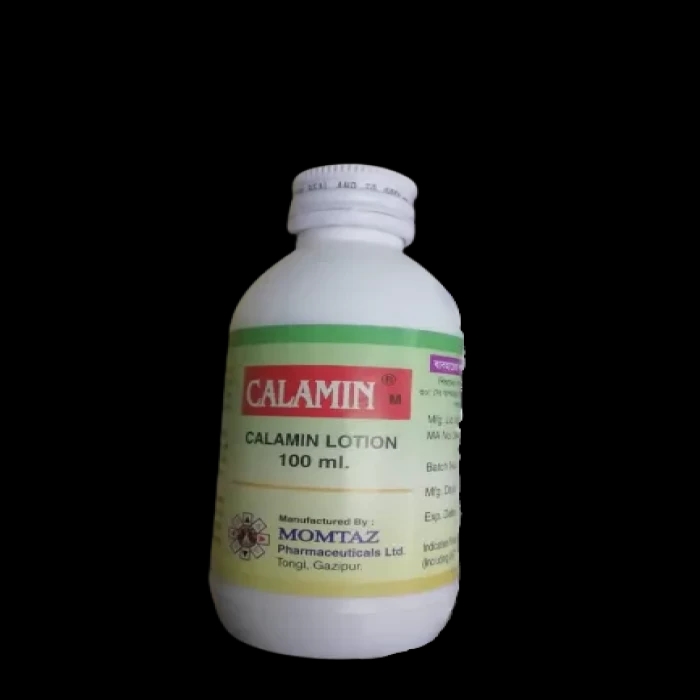
Generic medicine

Calamine + Zinc Oxide + Glycerine: Brands, Price & Uses in Bangladesh

Calamine + Zinc Oxide + Glycerine is a topical skin-protectant and soothing lotion.

Forms:Lotion

About Calamine + Zinc Oxide + Glycerine

Indications of Calamine + Zinc Oxide + Glycerine

Calamine + Zinc Oxide + Glycerine is a topical skin-protectant and soothing lotion. It is an established over-the-counter preparation used for the symptomatic relief of:

  • Minor skin irritation and itching (pruritus) from insect bites and stings
  • Mild sunburn
  • Prickly heat (miliaria)
  • Minor irritation from poison ivy, oak, or sumac
  • Mild, uncomplicated eczema flares as an adjunct soothing/protective measure alongside physician-directed treatment

Calamine + Zinc Oxide + Glycerine is intended only for temporary, symptomatic relief of minor and uncomplicated skin conditions; it is not a treatment for the underlying cause of infected, deeply inflamed, or broken skin.

Dosage & Administration of Calamine + Zinc Oxide + Glycerine

IndicationRecommended use
Minor skin irritation, itching, insect bites, mild sunburn, prickly heatApply a thin layer of Calamine + Zinc Oxide + Glycerine to the affected area 3-4 times daily, or as needed for symptom relief, for up to 7 days
Adjunct for mild eczema flaresApply as directed by a physician alongside prescribed eczema treatment

If symptoms persist beyond 7 days, worsen, or signs of infection develop, stop use and consult a physician.

Side Effects of Calamine + Zinc Oxide + Glycerine

Calamine + Zinc Oxide + Glycerine is generally very well tolerated, with minimal systemic absorption and a low overall risk profile. Reported effects include:

  • Common (local, usually mild): transient stinging, dryness, or tightness of the skin at the application site.
  • Uncommon: localized allergic contact dermatitis presenting as redness, rash, or increased itching at the site of application.
  • Rare but serious: a hypersensitivity/allergic reaction with widespread rash, swelling of the face, lips, tongue, or throat, severe dizziness, or difficulty breathing — this requires immediate medical attention.

Stop using Calamine + Zinc Oxide + Glycerine and consult a physician if irritation worsens, spreads, or does not improve.

Contraindications of Calamine + Zinc Oxide + Glycerine

Calamine + Zinc Oxide + Glycerine is contraindicated in individuals with known hypersensitivity to calamine, zinc oxide, glycerine, or any other ingredient in the formulation.

Frequently Asked Questions about Calamine + Zinc Oxide + Glycerine

What is Calamine + Zinc Oxide + Glycerine used for?

Calamine + Zinc Oxide + Glycerine is used for the temporary relief of minor skin irritation and itching caused by insect bites, mild sunburn, prickly heat, and mild poison ivy/oak/sumac reactions, and as a soothing adjunct for mild eczema flares.

How often should I apply Calamine + Zinc Oxide + Glycerine?

It is generally applied as a thin layer to the affected skin 3-4 times daily, or as needed, for up to about 7 days. Shake the bottle well before each use.

Can I use Calamine + Zinc Oxide + Glycerine on broken or infected skin?

No. Calamine + Zinc Oxide + Glycerine should only be applied to intact, unbroken skin. Do not use it on open wounds, deep cuts, infected skin, or burns without first consulting a physician.

Is Calamine + Zinc Oxide + Glycerine safe during pregnancy or breastfeeding?

Systemic absorption is minimal, but a formal pregnancy category has not been established. It should be used during pregnancy only if clearly needed and after consulting a physician, and it should be avoided on the nipple/areola area while breastfeeding unless a physician advises otherwise.

What should I do if Calamine + Zinc Oxide + Glycerine is accidentally swallowed?

Seek immediate medical attention or contact a poison control center right away. Do not attempt home treatment or induce vomiting unless instructed by a medical professional.

Can children use Calamine + Zinc Oxide + Glycerine?

Yes, it is commonly used in children for minor skin irritation, but use in infants under 2 years should only be done after consulting a physician, and it should be applied only to limited, intact areas of skin.

Disclaimer

The information provided is accurate to the best of our knowledge, but it does not replace professional medical advice. We cannot guarantee its completeness or accuracy, and the absence of specific information about a drug should not be taken as an endorsement. We are not responsible for any consequences arising from this information, so please consult a healthcare professional for any concerns or questions.

DoctorBlogArticles