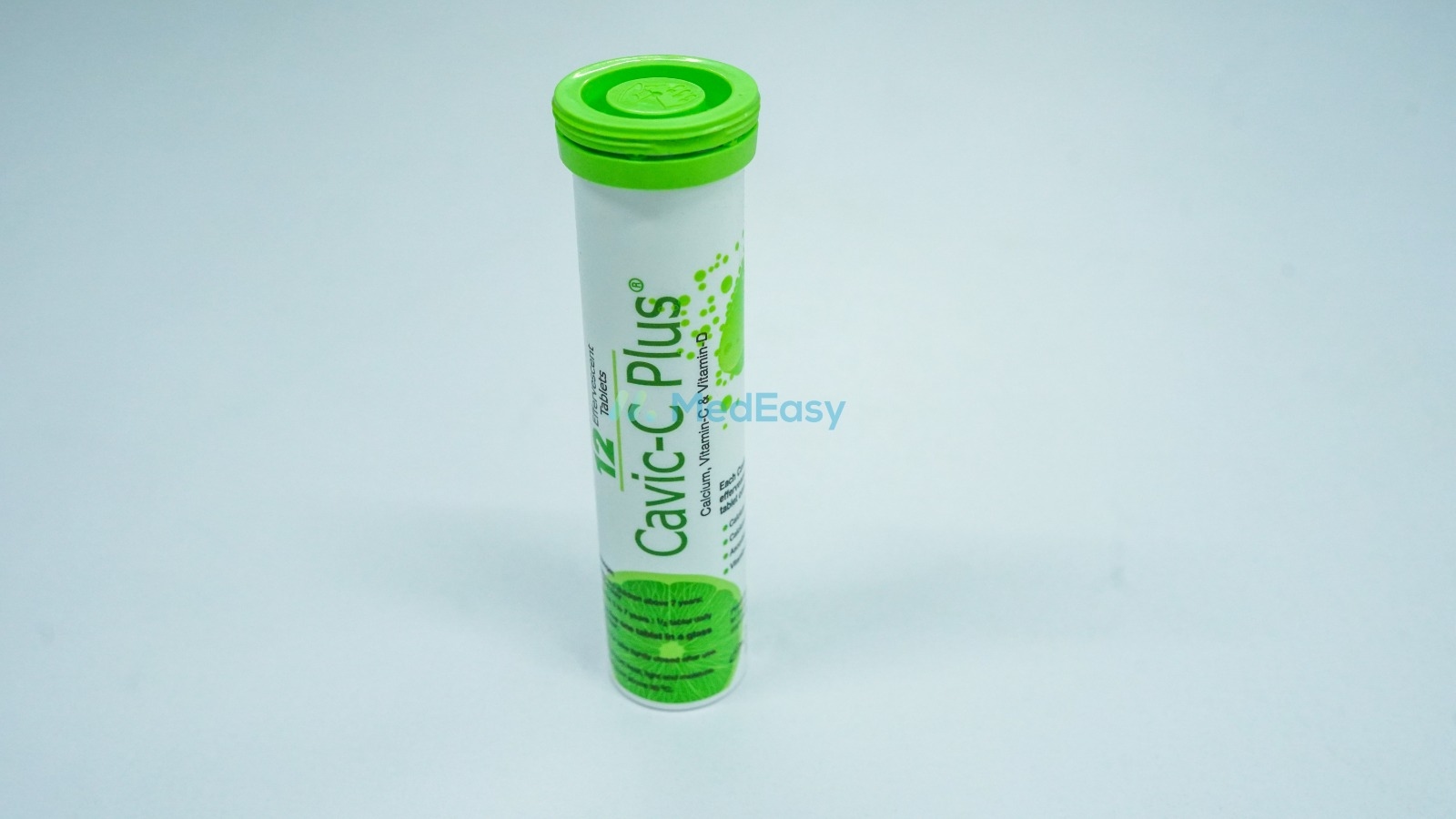
Generic medicine

Calcium Lactate Gluconate + Calcium Carbonate + Vitamin C + Vitamin D3: Brands, Price & Uses in Bangladesh

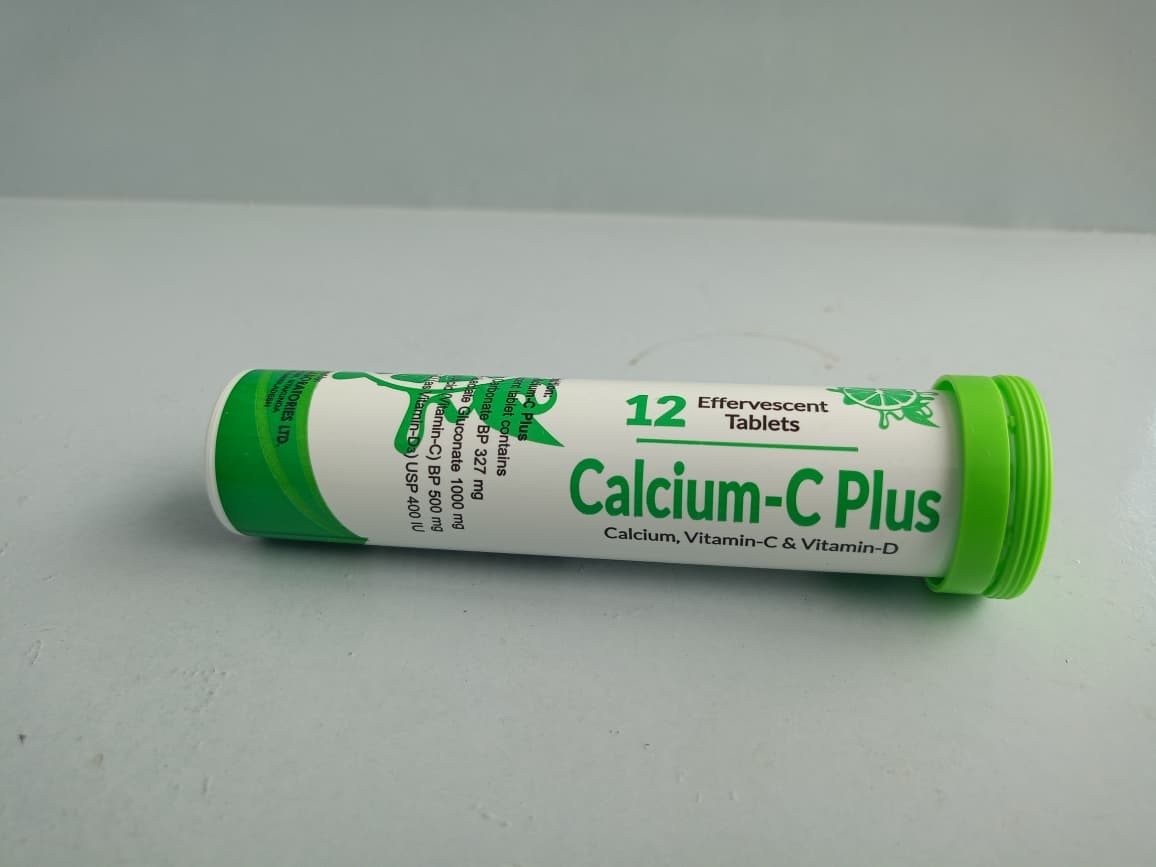
Calcium Lactate Gluconate + Calcium Carbonate + Vitamin C + Vitamin D3 is a combination mineral and vitamin supplement used to prevent and treat calcium deficiency and to support bone health.

Forms:TabletEffervescent Tablet

About Calcium Lactate Gluconate + Calcium Carbonate + Vitamin C + Vitamin D3

Indications of Calcium Lactate Gluconate + Calcium Carbonate + Vitamin C + Vitamin D3

Calcium Lactate Gluconate + Calcium Carbonate + Vitamin C + Vitamin D3 is a combination mineral and vitamin supplement used to prevent and treat calcium deficiency and to support bone health. Its uses can be classified by the strength of supporting evidence as follows:

Established / Guideline-Supported Uses

  • Prevention and treatment of calcium deficiency in individuals with inadequate dietary calcium intake or increased calcium requirements.
  • Adjunct in the prevention and management of osteoporosis, where the added vitamin D3 component supports intestinal calcium absorption and bone mineralization; Calcium Lactate Gluconate + Calcium Carbonate + Vitamin C + Vitamin D3 is used as an adjunct to, not a replacement for, prescribed anti-osteoporotic therapy (e.g., bisphosphonates) when such therapy is indicated.
  • Nutritional supplementation of calcium, vitamin C, and vitamin D during pregnancy and lactation, periods of rapid growth (childhood, adolescence), and other states of increased calcium demand, as advised by a physician.

Adjunct / Supportive Uses

  • Supportive therapy alongside vitamin D and calcium management in conditions such as hypoparathyroidism or corticosteroid-induced bone loss, under medical supervision.

Calcium Lactate Gluconate + Calcium Carbonate + Vitamin C + Vitamin D3 does not replace a balanced diet, weight-bearing exercise, or prescribed treatment for diagnosed bone disease, and should be used as directed by a physician or pharmacist.

Dosage & Administration of Calcium Lactate Gluconate + Calcium Carbonate + Vitamin C + Vitamin D3

The dose of Calcium Lactate Gluconate + Calcium Carbonate + Vitamin C + Vitamin D3 should be individualized according to the indication, age, dietary calcium intake, and the specific product strength, as guided by a physician or pharmacist. General guidance is summarized below; always follow the product label and prescriber's instructions.

Indication / PopulationTypical Dosing Guidance
Adults - calcium deficiency / dietary supplementationOne tablet/sachet of Calcium Lactate Gluconate + Calcium Carbonate + Vitamin C + Vitamin D3 once or twice daily, or as directed by the physician, generally taken with or after meals.
Adults - adjunct in osteoporosis prevention/managementAs prescribed, typically once or twice daily alongside any specific anti-osteoporotic therapy; dose should be adjusted to avoid exceeding recommended total daily calcium and vitamin D intake from all sources.
Pregnancy / lactation - increased calcium demandAs advised by the treating physician, based on dietary calcium intake and trimester/lactation stage.
Children (where an age-appropriate formulation/dose exists)Only under medical supervision, using a pediatric-appropriate strength and weight/age-based dosing; safety and efficacy of specific fixed-dose strengths in young children should be confirmed with a physician.
Renal impairmentUse with caution; dose and duration should be individualized by the physician, with monitoring of serum calcium, given reduced ability to excrete excess calcium (see Precautions and Warnings).

Do not exceed the dose recommended by the physician or on the product label, and avoid taking additional calcium or vitamin D supplements concurrently without medical advice, to reduce the risk of hypercalcemia.

Side Effects of Calcium Lactate Gluconate + Calcium Carbonate + Vitamin C + Vitamin D3

Calcium Lactate Gluconate + Calcium Carbonate + Vitamin C + Vitamin D3 is generally well tolerated when taken at recommended doses. Reported side effects include:

  • Common: gastrointestinal disturbances such as constipation, bloating, flatulence, and mild abdominal discomfort or nausea, particularly at higher doses.
  • Uncommon/dose-related: hypercalcemia and hypercalciuria with excessive or prolonged intake, which may present as loss of appetite, thirst, increased urination, weakness, or confusion.
  • Rare: hypersensitivity reactions (rash, itching); milk-alkali syndrome with very high, prolonged intake of calcium carbonate together with absorbable alkali; kidney stone formation with chronic excessive calcium intake, especially in predisposed individuals.

Patients should seek medical advice if persistent gastrointestinal symptoms or symptoms suggestive of hypercalcemia occur.

Contraindications of Calcium Lactate Gluconate + Calcium Carbonate + Vitamin C + Vitamin D3

Calcium Lactate Gluconate + Calcium Carbonate + Vitamin C + Vitamin D3 is contraindicated in patients with:

  • Known hypersensitivity to calcium lactate gluconate, calcium carbonate, vitamin C, vitamin D3, or any excipient of the formulation.
  • Hypercalcemia or hypercalciuria.
  • Conditions associated with hypercalcemia, including hyperparathyroidism, sarcoidosis or other granulomatous disease, and malignancies with bone metastases or ectopic parathyroid-hormone-related-protein production.
  • Hypervitaminosis D.

Frequently Asked Questions about Calcium Lactate Gluconate + Calcium Carbonate + Vitamin C + Vitamin D3

What is Calcium Lactate Gluconate + Calcium Carbonate + Vitamin C + Vitamin D3 used for?

Calcium Lactate Gluconate + Calcium Carbonate + Vitamin C + Vitamin D3 is used to prevent and treat calcium deficiency and to support bone health, including as an adjunct in the prevention and management of osteoporosis and during periods of increased calcium demand such as pregnancy, lactation, and growth. See Indications for details.

Can I take Calcium Lactate Gluconate + Calcium Carbonate + Vitamin C + Vitamin D3 during pregnancy?

Calcium Lactate Gluconate + Calcium Carbonate + Vitamin C + Vitamin D3 may be used during pregnancy if clearly needed and as directed by a physician, since adequate calcium and vitamin D intake is generally beneficial in pregnancy, but excessive intake should be avoided. Always consult your physician before use - see Pregnancy and Lactation.

Can Calcium Lactate Gluconate + Calcium Carbonate + Vitamin C + Vitamin D3 be taken with antibiotics?

Calcium Lactate Gluconate + Calcium Carbonate + Vitamin C + Vitamin D3 should not be taken at the same time as tetracycline or fluoroquinolone antibiotics, because calcium reduces their absorption. Separate dosing by at least 2 hours. See Interaction for other important drug interactions.

What are the common side effects of Calcium Lactate Gluconate + Calcium Carbonate + Vitamin C + Vitamin D3?

The most common side effects of Calcium Lactate Gluconate + Calcium Carbonate + Vitamin C + Vitamin D3 are mild gastrointestinal symptoms such as constipation, bloating, and abdominal discomfort. Excessive or prolonged intake can cause hypercalcemia (high blood calcium), so the recommended dose should not be exceeded. See Side Effects for the full list.

Who should not take Calcium Lactate Gluconate + Calcium Carbonate + Vitamin C + Vitamin D3?

Calcium Lactate Gluconate + Calcium Carbonate + Vitamin C + Vitamin D3 should not be used by patients who are hypersensitive to any of its ingredients, or who have hypercalcemia, hypercalciuria, hypervitaminosis D, or conditions that predispose to hypercalcemia such as hyperparathyroidism or sarcoidosis. See Contraindications for the complete list.

What should I do if I take too much Calcium Lactate Gluconate + Calcium Carbonate + Vitamin C + Vitamin D3?

If an overdose of Calcium Lactate Gluconate + Calcium Carbonate + Vitamin C + Vitamin D3 is suspected, seek immediate medical attention or contact a poison control center, since overdose can cause hypercalcemia and vitamin D toxicity requiring medical management. Do not attempt to treat an overdose at home. See Overdose Effects.

Disclaimer

The information provided is accurate to the best of our knowledge, but it does not replace professional medical advice. We cannot guarantee its completeness or accuracy, and the absence of specific information about a drug should not be taken as an endorsement. We are not responsible for any consequences arising from this information, so please consult a healthcare professional for any concerns or questions.

DoctorBlogArticles