Generic medicine

Carica Papaya Leaf Extract: Brands, Price & Uses in Bangladesh

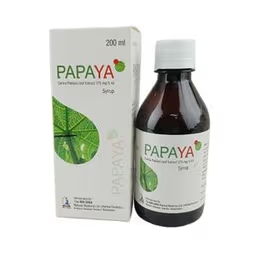
Carica Papaya Leaf Extract is a herbal (nutraceutical) supplement derived from the leaves of the papaya plant ( Carica papaya ).

Forms:SyrupCapsule

About Carica Papaya Leaf Extract

Indications of Carica Papaya Leaf Extract

Carica Papaya Leaf Extract is a herbal (nutraceutical) supplement derived from the leaves of the papaya plant (Carica papaya). It is used in Bangladesh and other countries mainly as an adjunctive supportive measure in the following settings:

Adjunct use with preliminary evidence

  • Dengue fever-associated thrombocytopenia: Carica Papaya Leaf Extract is most commonly used as an add-on supportive measure to help support platelet counts in patients with dengue fever who have a low platelet count (thrombocytopenia). Several small-to-moderate randomized controlled trials and a pilot study have reported a trend toward faster platelet count recovery with Carica Papaya Leaf Extract compared to placebo, but evidence remains limited in scale and consistency, and it is not a substitute for standard hospital-based monitoring and management of dengue fever.
  • Chemotherapy-induced thrombocytopenia: Carica Papaya Leaf Extract has also been studied as an adjunct to help support platelet recovery in patients with low platelet counts caused by cancer chemotherapy, used alongside standard oncology care, not in place of it.

Traditional/complementary uses (limited robust clinical evidence)

  • General digestive support and traditional use for bloating or indigestion.
  • Traditional use for general immune support and as an antioxidant/anti-inflammatory supplement.

These traditional uses are based largely on historical/ethnobotanical use and preliminary laboratory or small human studies rather than large, robust randomized controlled trials, and Carica Papaya Leaf Extract should not be relied upon as a primary treatment for any of these conditions.

Dosage & Administration of Carica Papaya Leaf Extract

Dosing of Carica Papaya Leaf Extract varies by product formulation (capsule vs. syrup) and by the indication for which it is used. It should always be taken alongside, not instead of, standard medical care and monitoring, particularly in dengue fever.

Population / IndicationTypical DoseUsual Duration
Adults (capsule, 250 mg)1-2 capsules, 2-3 times daily5-12 days or as advised by physician
Adults 18+ (syrup, 275 mg/5 mL)3 teaspoonfuls (15 mL), 3 times dailyAround 5 days or as advised by physician
Children 5-18 years (syrup)2 teaspoonfuls (10 mL), 3 times dailyAround 5 days or as advised by physician
Children 1-5 years (syrup)1 teaspoonful (5 mL), 3 times dailyAround 5 days or as advised by physician

The exact dose and duration should be individualized by the treating physician based on platelet count trends, clinical status, and product-specific labeling. See Dosage and Administration sections below for further detail.

Side Effects of Carica Papaya Leaf Extract

Carica Papaya Leaf Extract is generally well tolerated at recommended doses, and serious adverse effects are uncommon. Reported side effects include:

  • Mild gastrointestinal upset (nausea, stomach discomfort, or diarrhea)
  • Mild allergic skin reactions (rash, itching) in sensitive individuals
  • Rarely, more significant hypersensitivity reactions in patients with latex or papaya allergy (see Contraindications)

Patients should seek medical attention promptly if they develop signs of a significant allergic reaction (e.g., swelling of the face/throat, difficulty breathing, widespread rash) while taking Carica Papaya Leaf Extract.

Contraindications of Carica Papaya Leaf Extract

Carica Papaya Leaf Extract is contraindicated in patients with known hypersensitivity to papaya, papain, or related plant proteins. Cross-reactivity between papaya and natural rubber latex has been reported (the "latex-fruit syndrome"), so individuals with a known latex allergy should use Carica Papaya Leaf Extract with caution and only after consulting a physician, as a severe allergic reaction is possible.

Frequently Asked Questions about Carica Papaya Leaf Extract

What is Carica Papaya Leaf Extract used for?

Carica Papaya Leaf Extract is a herbal supplement most commonly used as an adjunct to help support platelet counts in people with dengue fever-associated thrombocytopenia or chemotherapy-induced thrombocytopenia, alongside standard medical treatment. It is also used traditionally for digestive support and general wellness, though evidence for these uses is limited.

Can Carica Papaya Leaf Extract cure dengue fever?

No. Carica Papaya Leaf Extract is only a supportive adjunct and does not treat the underlying dengue virus infection or replace standard medical management, hydration, and monitoring. Anyone with suspected dengue fever should seek prompt medical evaluation.

Is Carica Papaya Leaf Extract safe during pregnancy?

Carica Papaya Leaf Extract is not recommended during pregnancy, as papaya leaf preparations have traditional associations with uterine-stimulant effects and safety has not been established. It should be avoided in pregnancy unless specifically directed and supervised by a physician.

Who should not take Carica Papaya Leaf Extract?

People with a known allergy to papaya, papain, or related plant proteins should not take Carica Papaya Leaf Extract, since severe allergic reactions are possible, including in those with a latex allergy due to cross-reactivity.

Can Carica Papaya Leaf Extract be taken with blood thinners like aspirin or warfarin?

Carica Papaya Leaf Extract may affect platelet counts and function, so it should be used cautiously and only under medical supervision if you are taking antiplatelet or anticoagulant medications, due to a theoretical increased bleeding risk.

What should I do if I miss a dose or think I've taken too much Carica Papaya Leaf Extract?

If you miss a dose, take it when you remember unless it is close to the next scheduled dose. If you suspect you have taken too much Carica Papaya Leaf Extract or develop concerning symptoms, seek immediate medical attention or contact a poison control center rather than trying to manage it at home.

Disclaimer

The information provided is accurate to the best of our knowledge, but it does not replace professional medical advice. We cannot guarantee its completeness or accuracy, and the absence of specific information about a drug should not be taken as an endorsement. We are not responsible for any consequences arising from this information, so please consult a healthcare professional for any concerns or questions.

DoctorBlogArticles