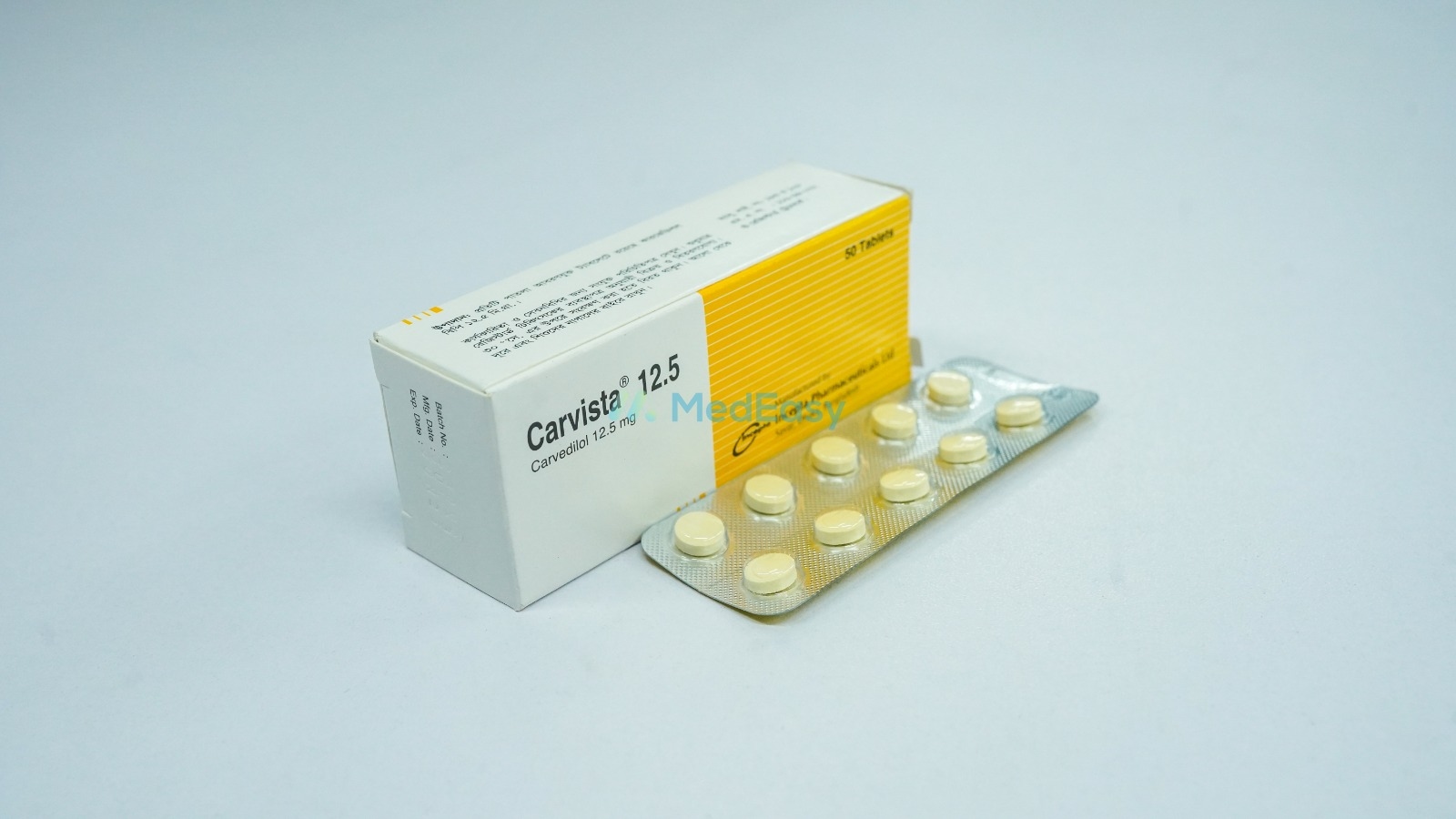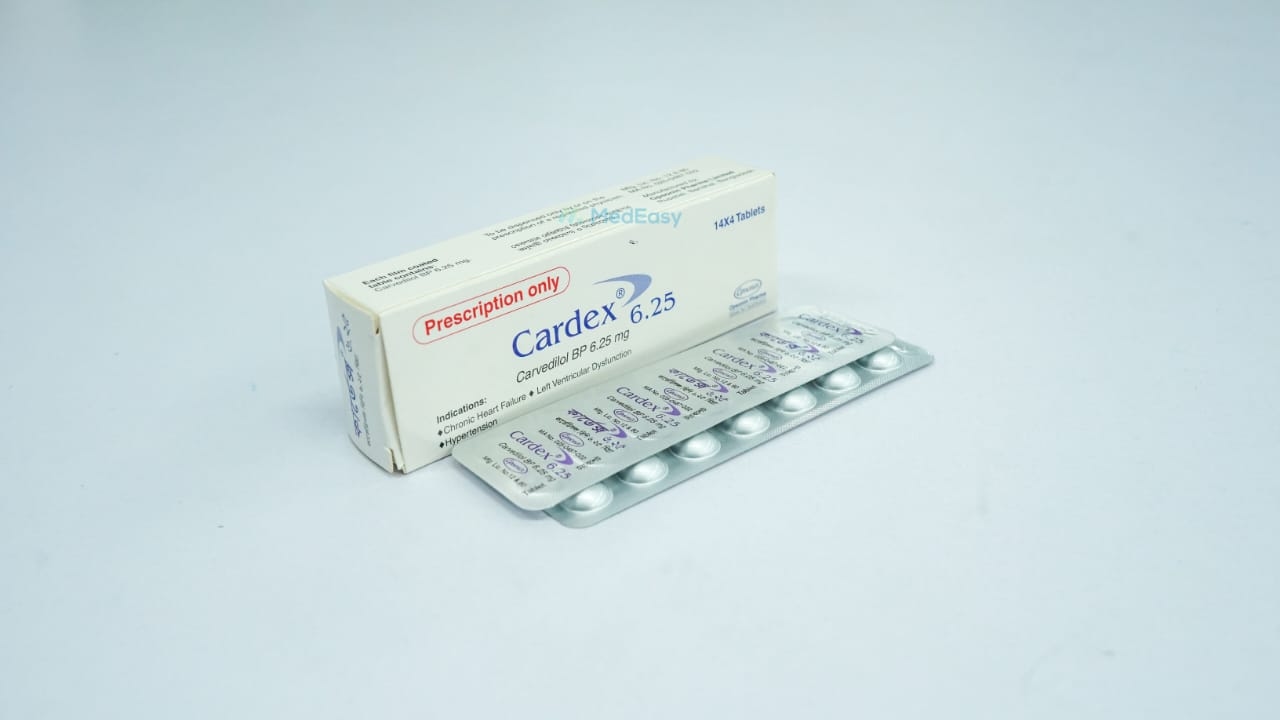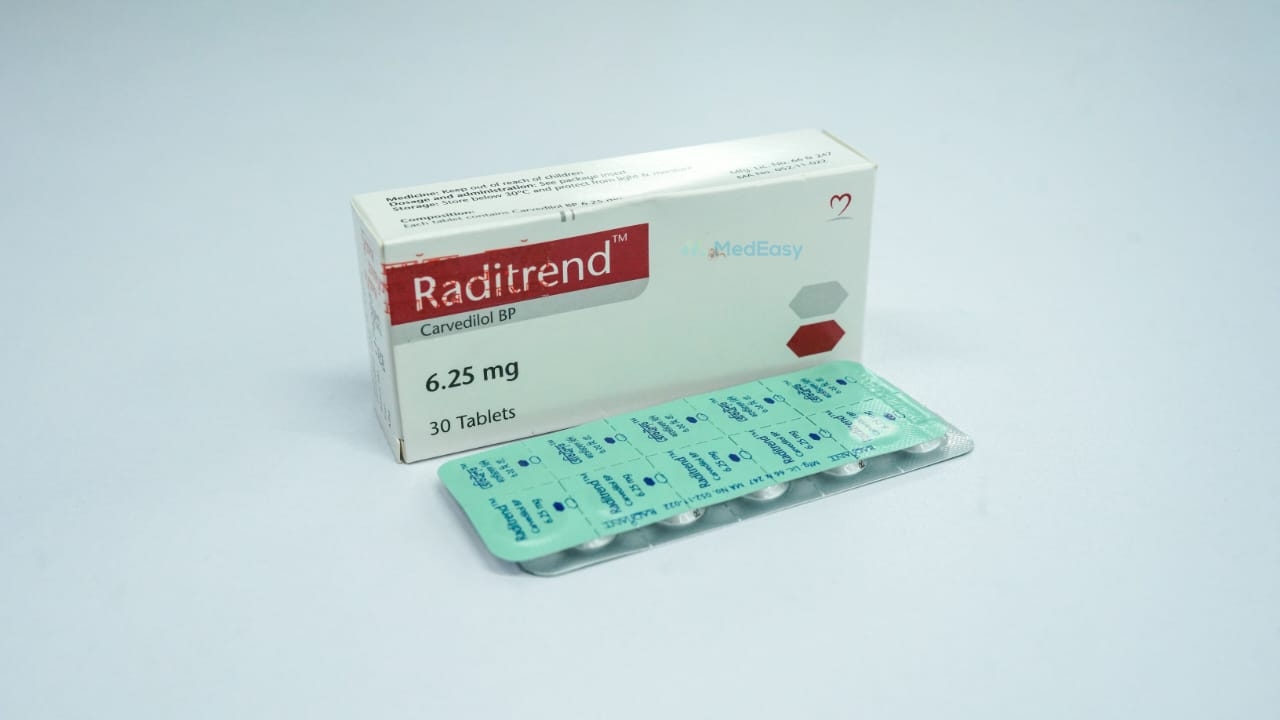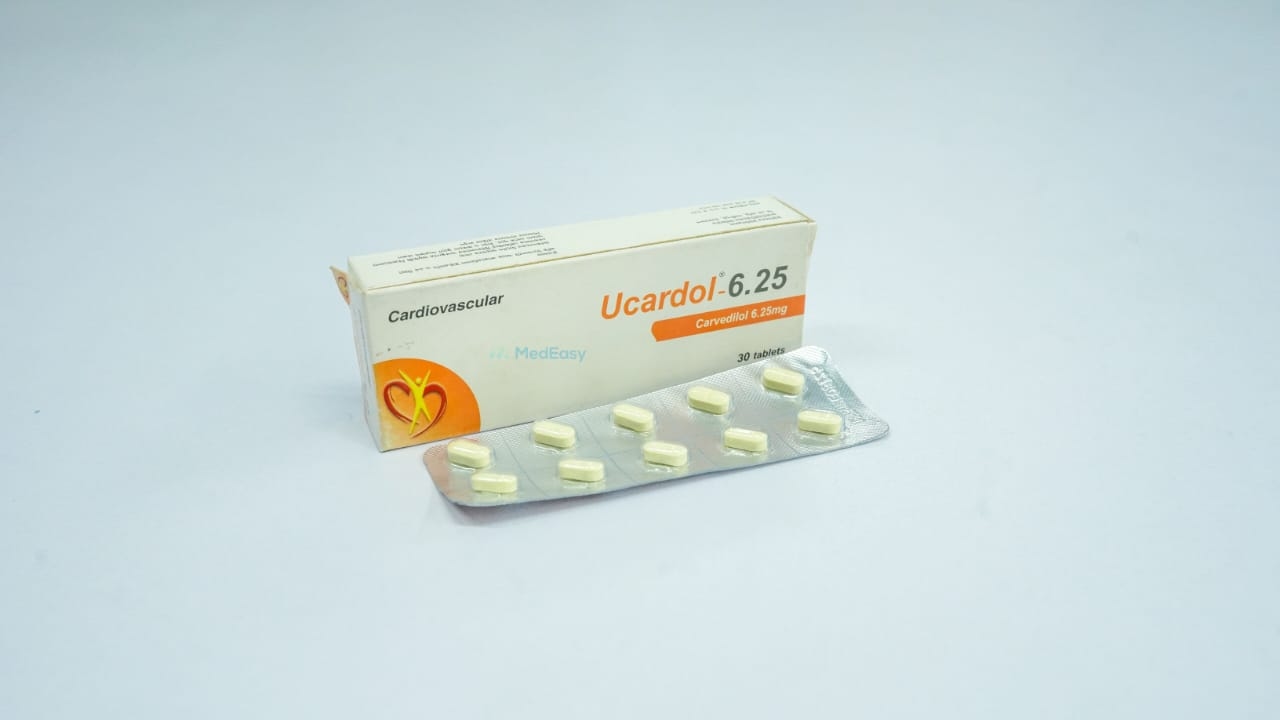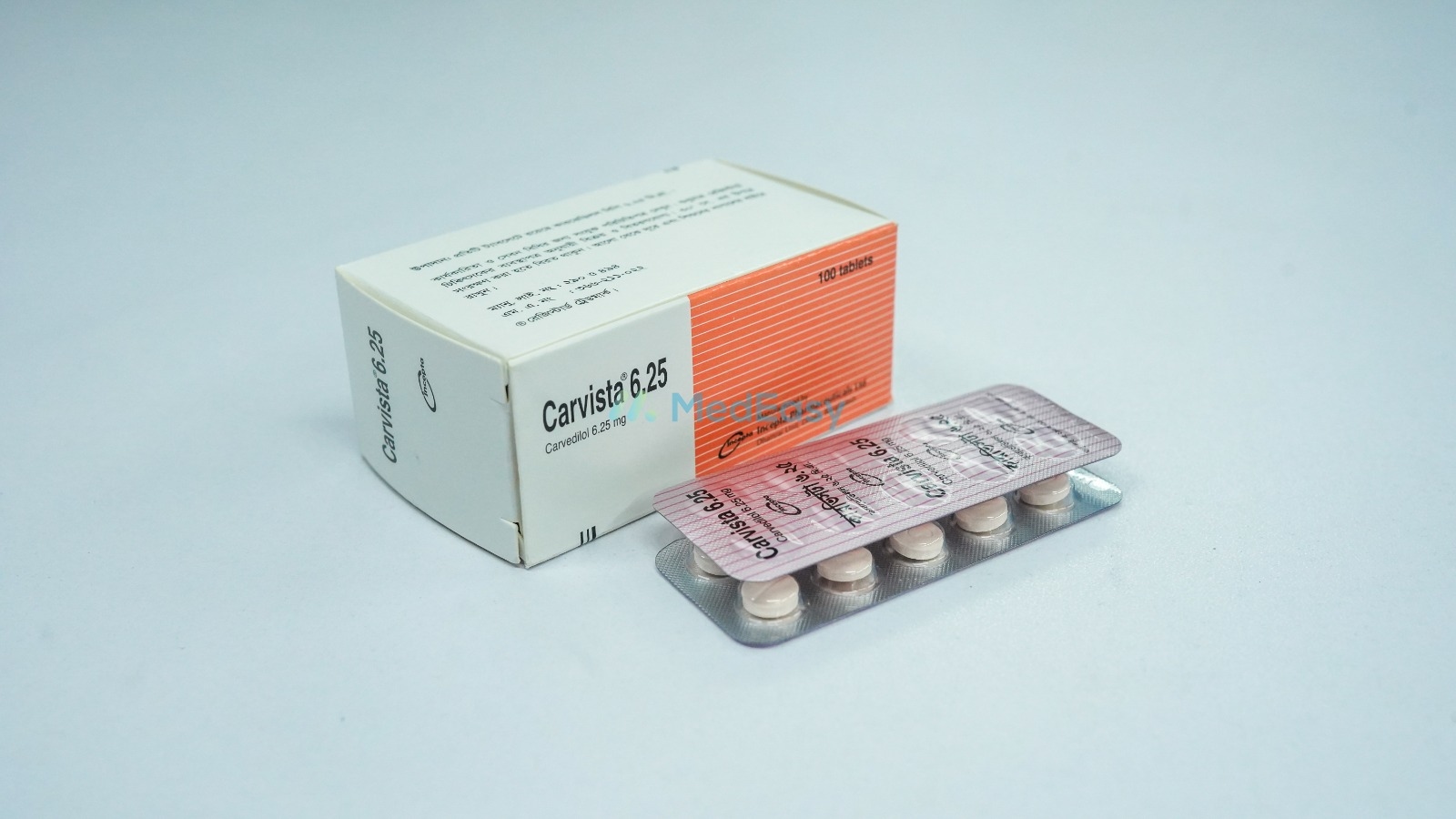
Generic medicine

Carvedilol: Brands, Price & Uses in Bangladesh

Carvedilol is indicated for the following conditions, with evidence strength noted for each: Chronic heart failure (mild to severe), established/FDA-approved: Carvedilol is used and more.

Forms:Tablet

About Carvedilol

Indications of Carvedilol

Carvedilol is indicated for the following conditions, with evidence strength noted for each:

  • Chronic heart failure (mild to severe), established/FDA-approved: Carvedilol is used, in addition to standard therapy (diuretics, ACE inhibitors/ARBs, and digoxin where appropriate), to reduce the risk of death and hospitalization in patients with heart failure of ischemic or cardiomyopathic origin.
  • Left ventricular (LV) dysfunction after myocardial infarction, established/FDA-approved: Carvedilol is used in clinically stable patients who have survived the acute phase of a heart attack and have a left ventricular ejection fraction of 40% or less, with or without symptomatic heart failure, to reduce cardiovascular mortality.
  • Essential hypertension, established/FDA-approved: Carvedilol is used alone or in combination with other antihypertensive agents, particularly thiazide diuretics, to lower blood pressure.
  • Angina pectoris, guideline-supported/regionally approved use: Carvedilol is used in some markets for chronic stable angina, based on its beta-blocking action.

Carvedilol should always be used exactly as prescribed by a physician, and any change in dose or indication should be made only under medical supervision.

Dosage & Administration of Carvedilol

IndicationAdult Starting DoseTitrationMaximum Dose
Chronic Heart Failure3.125 mg twice dailyDouble the dose every 2 weeks as tolerated (6.25 mg, then 12.5 mg, then 25 mg twice daily)25 mg twice daily (body weight <85 kg) or 50 mg twice daily (body weight ≥85 kg)
LV Dysfunction after Heart Attack6.25 mg twice dailyIncrease to 12.5 mg then 25 mg twice daily over 3-10 days, as tolerated25 mg twice daily
Hypertension6.25 mg twice daily (or 12.5 mg once daily per some regional labeling)Increase at intervals of 1-2 weeks as needed50 mg per day (in divided doses)

All doses of Carvedilol should be taken with food to slow the rate of absorption and reduce the risk of orthostatic hypotension and dizziness. Tablets should be swallowed whole with water; they should not be crushed or chewed unless the specific formulation permits it. Blood pressure, heart rate, and clinical status (signs of worsening heart failure or excessive bradycardia/hypotension) should be checked before each dose increase. Carvedilol must never be stopped abruptly — see Precautions and Warnings for details.

Side Effects of Carvedilol

Side effects of Carvedilol vary somewhat by indication but commonly include:

  • Very common/common: Dizziness, fatigue, weakness, headache, low blood pressure (including orthostatic hypotension on standing), slow heart rate (bradycardia), diarrhea or other gastrointestinal upset, and elevated blood sugar (hyperglycemia).
  • Less common: Fluid retention/swelling of the legs or ankles, weight gain, shortness of breath, dry mouth or eyes, blurred vision, cold hands and feet, and reduced libido or erectile difficulty.
  • Rare but serious: Worsening of heart failure symptoms, severe allergic reactions (including Stevens-Johnson syndrome and anaphylaxis), significant liver function abnormalities, blood cell count abnormalities (such as aplastic anemia or low platelets), and inflammation of the lungs (interstitial pneumonitis).

Patients should seek prompt medical attention for fainting, very slow heart rate, severe dizziness, difficulty breathing, chest pain, signs of liver problems (yellowing of the skin/eyes, dark urine), or any signs of a severe allergic or skin reaction while taking Carvedilol.

Contraindications of Carvedilol

Carvedilol is contraindicated (must not be used) in patients with any of the following conditions:

  • Decompensated heart failure requiring intravenous inotropic support
  • Bronchial asthma or a history of severe bronchospastic disease
  • Second- or third-degree atrioventricular (AV) block, unless the patient has a functioning permanent pacemaker
  • Sick sinus syndrome, unless a permanent pacemaker is in place
  • Severe bradycardia (very slow heart rate)
  • Cardiogenic shock
  • Severe hepatic (liver) impairment
  • Known serious hypersensitivity to Carvedilol or any component of the formulation (including history of severe skin reactions)

Carvedilol should only be used in these settings, or in patients with other significant cardiac or hepatic disease, if a physician has explicitly determined the benefit outweighs the risk.

Frequently Asked Questions about Carvedilol

1. What is Carvedilol used for?

Carvedilol is used to treat chronic heart failure, high blood pressure (hypertension), and to improve survival in people who have left ventricular dysfunction (a weakened heart pumping ability) after a heart attack. Carvedilol works by relaxing blood vessels and slowing the heart rate, which reduces the workload on the heart.

2. Can I stop taking Carvedilol suddenly if I feel better?

No. You must never stop taking Carvedilol suddenly without your doctor's advice. Abruptly stopping Carvedilol can cause a dangerous rebound effect, including worsening chest pain (angina), abnormal heart rhythms, or even a heart attack. If your doctor decides you should stop Carvedilol, the dose will be reduced gradually over one to two weeks.

3. Can people with asthma take Carvedilol?

No. Carvedilol is contraindicated in people with bronchial asthma or a history of severe bronchospastic (airway-narrowing) disease, because it can trigger dangerous breathing difficulties. Patients with other lung conditions such as chronic bronchitis or emphysema should only use Carvedilol under close specialist supervision if no safer alternative is suitable.

4. Is Carvedilol safe for people with diabetes?

Carvedilol can be used in many people with diabetes, but it requires caution. Carvedilol can mask some of the early warning signs of low blood sugar (hypoglycemia), such as a fast heartbeat, and it may affect overall blood sugar control. People with diabetes taking Carvedilol should monitor their blood glucose more closely, especially when starting the medicine or changing the dose.

5. How should I take Carvedilol, and does it need to be taken with food?

Yes, Carvedilol should be taken with food. Taking Carvedilol with a meal slows its absorption and reduces the risk of dizziness or fainting caused by a sudden drop in blood pressure when standing up. Carvedilol is usually taken twice daily at evenly spaced times, exactly as prescribed by your physician.

6. What should I do if I think I have taken too much Carvedilol?

An overdose of Carvedilol is a medical emergency. Signs may include severe dizziness, fainting, very slow heartbeat, difficulty breathing, or seizures. If you or someone else has taken too much Carvedilol, seek immediate medical attention or contact emergency services or a poison control center right away — do not wait for symptoms to worsen.

Disclaimer

The information provided is accurate to the best of our knowledge, but it does not replace professional medical advice. We cannot guarantee its completeness or accuracy, and the absence of specific information about a drug should not be taken as an endorsement. We are not responsible for any consequences arising from this information, so please consult a healthcare professional for any concerns or questions.

DoctorBlogArticles