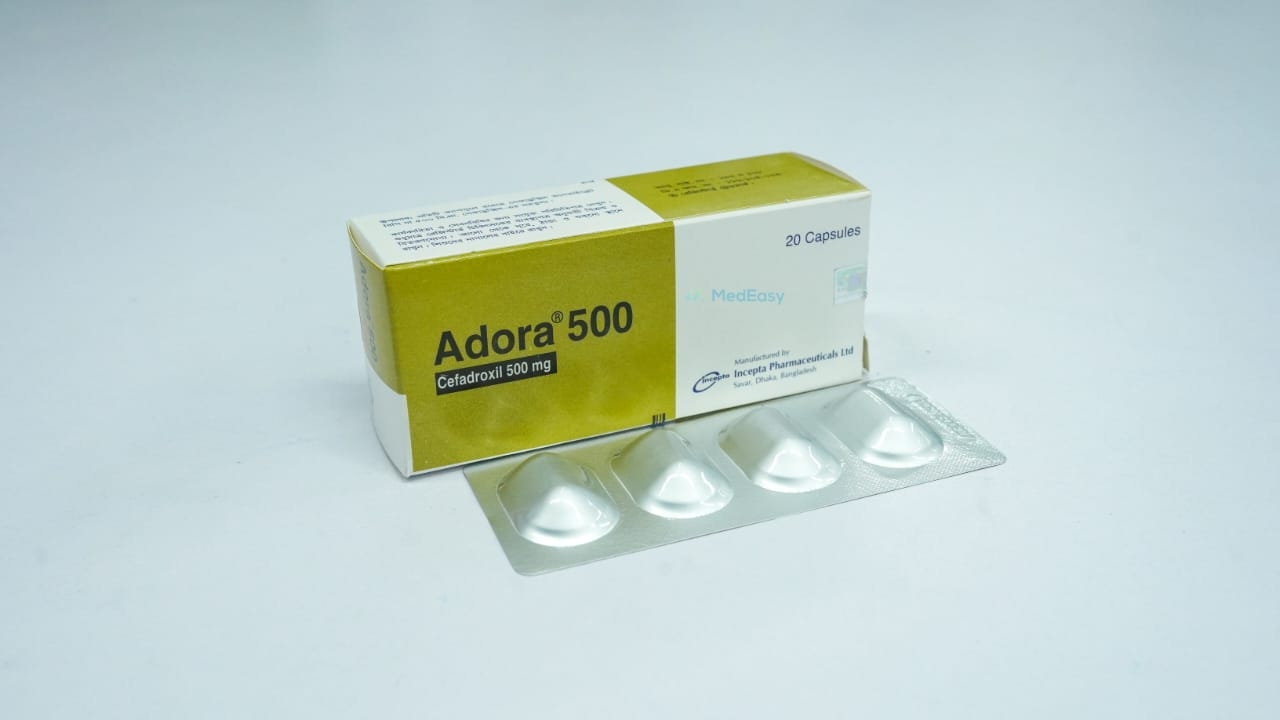
Generic medicine

Cefadroxil Monohydrate: Brands, Price & Uses in Bangladesh

Cefadroxil Monohydrate is a first-generation cephalosporin antibiotic used to treat infections caused by susceptible bacteria.

Forms:CapsuleTabletPowder for SuspensionPediatric Drops

About Cefadroxil Monohydrate

Indications of Cefadroxil Monohydrate

Cefadroxil Monohydrate is a first-generation cephalosporin antibiotic used to treat infections caused by susceptible bacteria. Its established, guideline-supported uses include:

  • Pharyngitis and tonsillitis caused by Group A beta-hemolytic streptococci (as an alternative to penicillin in appropriate patients, given for a full course to help prevent complications such as rheumatic fever).
  • Urinary tract infections, including cystitis and pyelonephritis, caused by susceptible organisms such as Escherichia coli, Proteus mirabilis, and Klebsiella species.
  • Skin and skin-structure infections, including abscesses, impetigo, and cellulitis, caused by susceptible Staphylococcus aureus and Streptococcus pyogenes.
  • Uncomplicated respiratory tract infections (e.g. mild community-acquired bronchitis/bronchopneumonia) caused by susceptible organisms, in regions and guidelines where oral cephalosporins are used for this indication.

Cefadroxil Monohydrate is not recommended for infections of the central nervous system (e.g. meningitis) because of poor penetration into cerebrospinal fluid. As with all antibiotics, Cefadroxil Monohydrate should be prescribed only for infections proven or strongly suspected to be caused by susceptible bacteria, based on clinical judgment and, where possible, culture and susceptibility data.

Dosage & Administration of Cefadroxil Monohydrate

Cefadroxil Monohydrate is administered orally and may be taken with or without food. Dosage and duration depend on the type and severity of infection, and should be determined by a physician. Take Cefadroxil Monohydrate exactly as prescribed by your physician; do not stop, extend, skip doses, or share this medicine with others without medical advice. Complete the full prescribed course, even if symptoms improve before the course is finished, to reduce the risk of relapse and antibiotic resistance.

Adult and Adolescent Dosing (by indication)

IndicationUsual Adult DoseDuration
Streptococcal pharyngitis/tonsillitis1000 mg once daily or in two divided dosesAt least 10 days
Urinary tract infections (cystitis)1000–2000 mg daily in divided doses7–14 days as directed
PyelonephritisUp to 2000 mg daily in divided dosesAs directed by physician
Skin and soft-tissue infections1000 mg daily, single or divided dosesAs directed, typically 5–10 days

Pediatric Dosing

IndicationUsual Pediatric DoseDuration
Streptococcal pharyngitis/tonsillitis (children under ~40 kg)30 mg/kg/day, given once daily or in two divided dosesAt least 10 days
Other susceptible infections30 mg/kg/day in two divided doses (up to 30–35 mg/kg/day)As directed by physician

Renal Impairment

Dosing interval must be adjusted in patients with reduced renal function, based on creatinine clearance (CrCl):

  • CrCl 25–50 mL/min: 500 mg every 12 hours
  • CrCl 10–25 mL/min: 500 mg every 24 hours
  • CrCl 0–10 mL/min: 500 mg every 36 hours

An initial loading dose of 1000 mg is generally recommended in patients with significant renal impairment. Renal dosing should always be individualized by the treating physician.

Side Effects of Cefadroxil Monohydrate

Most patients tolerate Cefadroxil Monohydrate well. Reported side effects include:

  • Common: Nausea, vomiting, diarrhea, abdominal discomfort, dyspepsia, and skin rash.
  • Less common: Urticaria (hives), pruritus (itching), headache, dizziness, and vaginal itching/candidiasis.
  • Rare but serious: Clostridioides difficile-associated diarrhea and pseudomembranous colitis (which can range from mild to life-threatening and may occur even weeks after stopping treatment), severe hypersensitivity reactions including anaphylaxis and angioedema, Stevens-Johnson syndrome, toxic epidermal necrolysis, reversible interstitial nephritis, transient elevations in liver enzymes, and blood disorders such as eosinophilia, leukopenia, neutropenia, or hemolytic anemia.

Seek prompt medical attention for severe or persistent diarrhea, signs of allergic reaction (rash, swelling, difficulty breathing), or any unusual or severe symptom while taking Cefadroxil Monohydrate.

Contraindications of Cefadroxil Monohydrate

Cefadroxil Monohydrate is contraindicated in patients with a known history of hypersensitivity (allergic reaction) to Cefadroxil Monohydrate, other cephalosporin antibiotics, or any component of the formulation.

Frequently Asked Questions about Cefadroxil Monohydrate

What is Cefadroxil Monohydrate used for?

Cefadroxil Monohydrate is a first-generation oral cephalosporin antibiotic used to treat bacterial infections such as strep throat/tonsillitis, urinary tract infections, and skin and soft-tissue infections caused by susceptible bacteria. It should only be used for infections your physician has determined are likely bacterial and susceptible to this antibiotic.

Can I stop taking Cefadroxil Monohydrate once I feel better?

No. Take Cefadroxil Monohydrate exactly as prescribed by your physician; do not stop, extend, skip doses, or share this medicine with others without medical advice. Stopping early can allow the infection to return and contributes to antibiotic resistance. For strep throat, a minimum 10-day course is needed even if symptoms improve sooner.

Can I take Cefadroxil Monohydrate if I am allergic to penicillin?

Patients with a history of penicillin allergy have a small but real risk of cross-reactivity with cephalosporins, including Cefadroxil Monohydrate. Cefadroxil Monohydrate is contraindicated if you have a known allergy to cephalosporin antibiotics, and should be used with caution or avoided if you have had a severe reaction to penicillin. Always inform your physician of any drug allergies before starting Cefadroxil Monohydrate.

Is Cefadroxil Monohydrate safe during pregnancy or breastfeeding?

Animal studies have not shown harm to the fetus, but there are no adequate well-controlled studies in pregnant women, so Cefadroxil Monohydrate should be used during pregnancy only if clearly needed and if the potential benefit justifies the potential risk to the fetus. It passes into breast milk in low amounts; use during breastfeeding only if clearly needed and under medical supervision, and consult your physician if the infant develops diarrhea, rash, or thrush.

What should I do if I miss a dose of Cefadroxil Monohydrate?

Take the missed dose as soon as you remember, unless it is almost time for your next dose, in which case skip the missed dose and continue your regular schedule. Do not take a double dose to make up for a missed one. Contact your physician if you are unsure.

What are the common side effects of Cefadroxil Monohydrate?

The most common side effects are nausea, vomiting, diarrhea, abdominal discomfort, and skin rash. Seek immediate medical attention if you develop severe or persistent diarrhea, signs of a severe allergic reaction (swelling, difficulty breathing, widespread rash), or any other severe or unusual symptom while taking Cefadroxil Monohydrate.

Disclaimer

The information provided is accurate to the best of our knowledge, but it does not replace professional medical advice. We cannot guarantee its completeness or accuracy, and the absence of specific information about a drug should not be taken as an endorsement. We are not responsible for any consequences arising from this information, so please consult a healthcare professional for any concerns or questions.

DoctorBlogArticles