
Generic medicine

Cetirizine Hydrochloride [Oral]: Brands, Price & Uses in Bangladesh

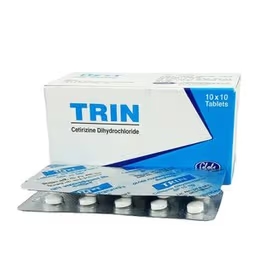
Cetirizine Hydrochloride [Oral] is a second-generation (non-sedating) antihistamine used for the following indications: Established / FDA-approved uses Relief of symptoms of seasonal and perennial…

Forms:TabletSyrupPediatric Drops

About Cetirizine Hydrochloride [Oral]

Indications of Cetirizine Hydrochloride [Oral]

Cetirizine Hydrochloride [Oral] is a second-generation (non-sedating) antihistamine used for the following indications:

Established / FDA-approved uses

  • Relief of symptoms of seasonal and perennial allergic rhinitis, including sneezing, rhinorrhea, nasal and ocular pruritus, and lacrimation.
  • Treatment of uncomplicated skin manifestations of chronic idiopathic urticaria, including relief of pruritus and reduction in the number and size of hives/wheals.

Other guideline-supported uses

  • Symptomatic relief of allergic conjunctivitis and other allergic skin conditions (e.g., atopic dermatitis-related pruritus), as an adjunct to primary therapy.

Cetirizine Hydrochloride [Oral] does not cure the underlying allergic condition; it controls symptoms while the allergen exposure or condition is otherwise managed.

Dosage & Administration of Cetirizine Hydrochloride [Oral]

Dosing of Cetirizine Hydrochloride [Oral] depends on the indication, patient age, and renal/hepatic function.

Allergic rhinitis and chronic idiopathic urticaria

Age groupRecommended dose
Adults and children ≥ 12 years10 mg once daily (or 5 mg twice daily)
Children 6–11 years5–10 mg once daily, or 5 mg twice daily, depending on symptom severity
Children 2–5 years2.5 mg once daily initially; may increase to a maximum of 5 mg/day (as 2.5 mg twice daily or 5 mg once daily), under medical supervision
Children 6–23 months2.5 mg once daily, only under a physician's guidance (see Pediatric Uses)

Renal impairment

Dose reduction is required based on creatinine clearance; in significant renal impairment (e.g., CrCl 11–31 mL/min), the recommended dose is 5 mg once daily. Cetirizine Hydrochloride [Oral] should be avoided or used with extreme caution in end-stage renal disease/hemodialysis patients.

Hepatic impairment

In moderate-to-severe hepatic impairment, a reduced dose of 5 mg once daily is recommended.

Side Effects of Cetirizine Hydrochloride [Oral]

Cetirizine Hydrochloride [Oral] is generally well tolerated. Reported adverse effects include:

Common

  • Somnolence/drowsiness (more common than with fexofenadine or loratadine, though less than first-generation antihistamines)
  • Headache
  • Dry mouth
  • Fatigue
  • Pharyngitis (in children)
  • Dizziness

Less common / rare but clinically important

  • Hypersensitivity reactions, including urticaria and angioedema
  • Rare hepatic transaminase elevations
  • Rare movement disorders or worsening of tics in children

Patients should seek immediate medical attention for signs of a serious allergic reaction (see Contraindications).

Contraindications of Cetirizine Hydrochloride [Oral]

Cetirizine Hydrochloride [Oral] is contraindicated in:

  • Patients with known hypersensitivity to cetirizine, hydroxyzine, or any component of the formulation.

Frequently Asked Questions about Cetirizine Hydrochloride [Oral]

What is Cetirizine Hydrochloride [Oral] used for?

Cetirizine Hydrochloride [Oral] is used to relieve symptoms of seasonal and perennial allergic rhinitis (such as sneezing, runny nose, and itchy/watery eyes) and to relieve itching and hives associated with chronic idiopathic urticaria.

Does Cetirizine Hydrochloride [Oral] make you sleepy?

Cetirizine Hydrochloride [Oral] is a second-generation antihistamine with a lower risk of drowsiness than older antihistamines, but some people still experience mild sedation, especially at higher doses. Avoid driving or operating machinery until you know how it affects you.

Can Cetirizine Hydrochloride [Oral] be taken during pregnancy?

Cetirizine Hydrochloride [Oral] should only be used during pregnancy if clearly needed and after consulting a physician, since the potential benefit must be weighed against any potential risk to the fetus. It is not to be started in pregnancy without medical advice.

Is Cetirizine Hydrochloride [Oral] safe for children?

Cetirizine Hydrochloride [Oral] can be used in children as young as 6 months at reduced, age-appropriate doses under a physician's guidance. It has not been established as safe or effective in infants under 6 months of age.

Who should not take Cetirizine Hydrochloride [Oral]?

Cetirizine Hydrochloride [Oral] is contraindicated in anyone with a known hypersensitivity to cetirizine, hydroxyzine, or any ingredient in the formulation. People with significant kidney or liver impairment need a reduced dose rather than avoidance, under medical supervision.

What should I do if I take too much Cetirizine Hydrochloride [Oral]?

Seek immediate medical attention or contact a poison control center if an overdose of Cetirizine Hydrochloride [Oral] is suspected. Overdose may cause increased sleepiness in adults or unusual restlessness in children; do not attempt to treat an overdose at home.

Disclaimer

The information provided is accurate to the best of our knowledge, but it does not replace professional medical advice. We cannot guarantee its completeness or accuracy, and the absence of specific information about a drug should not be taken as an endorsement. We are not responsible for any consequences arising from this information, so please consult a healthcare professional for any concerns or questions.
DoctorBlogArticles