8% Off
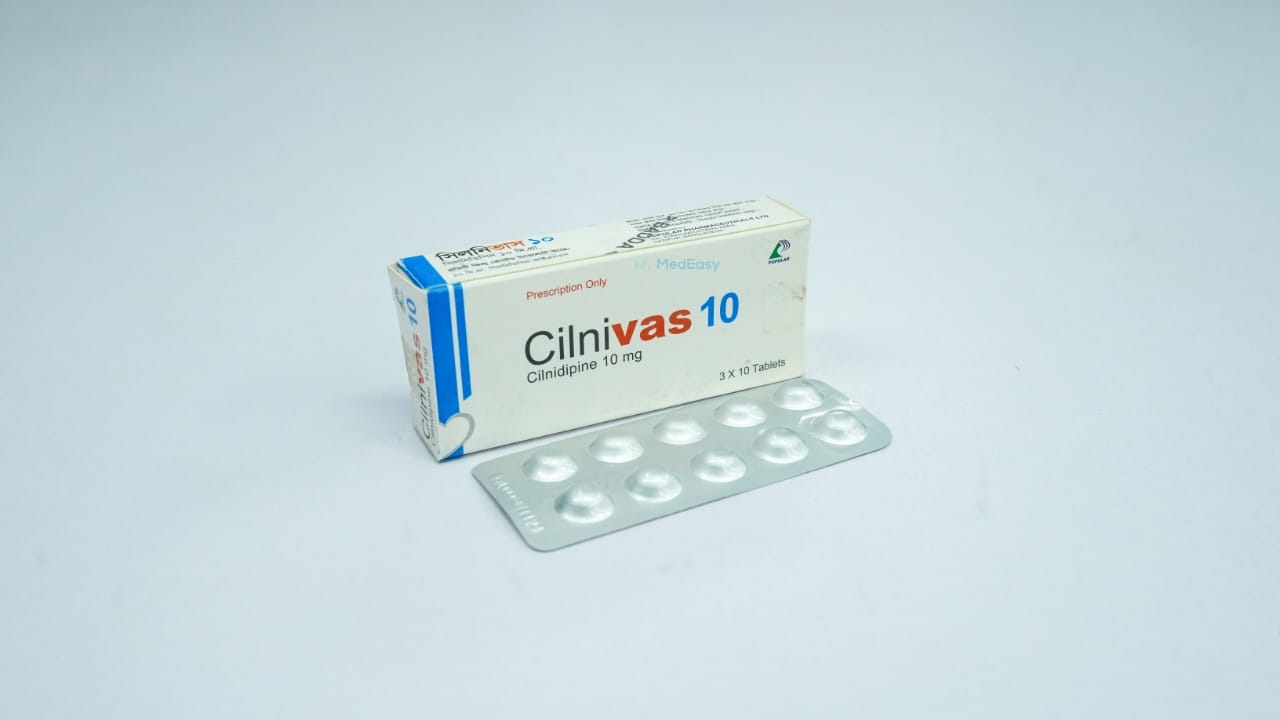
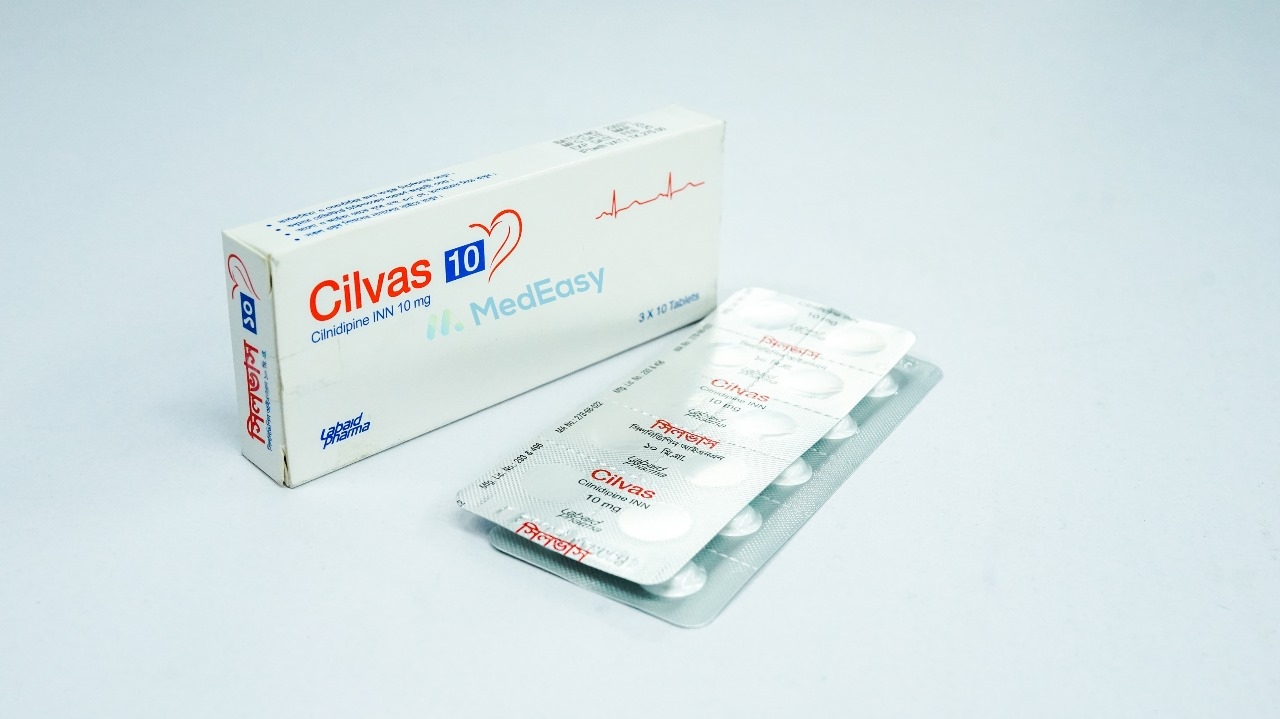
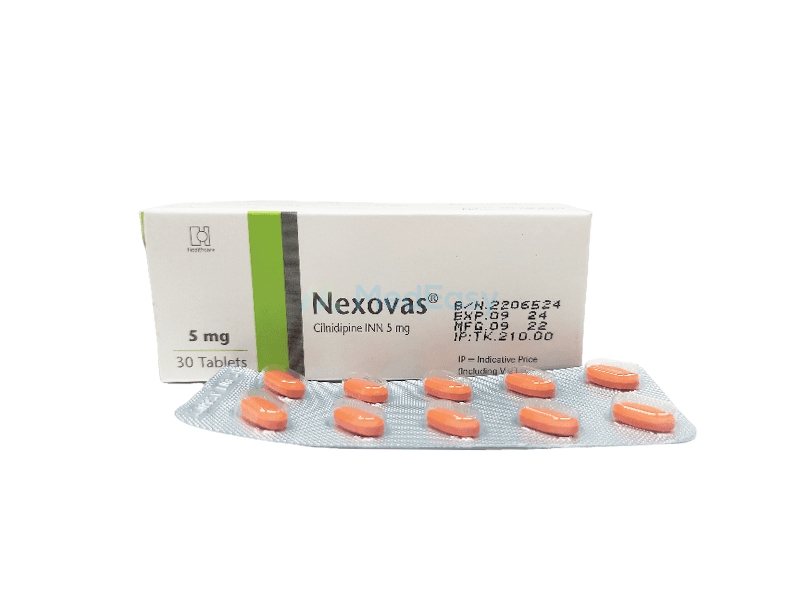
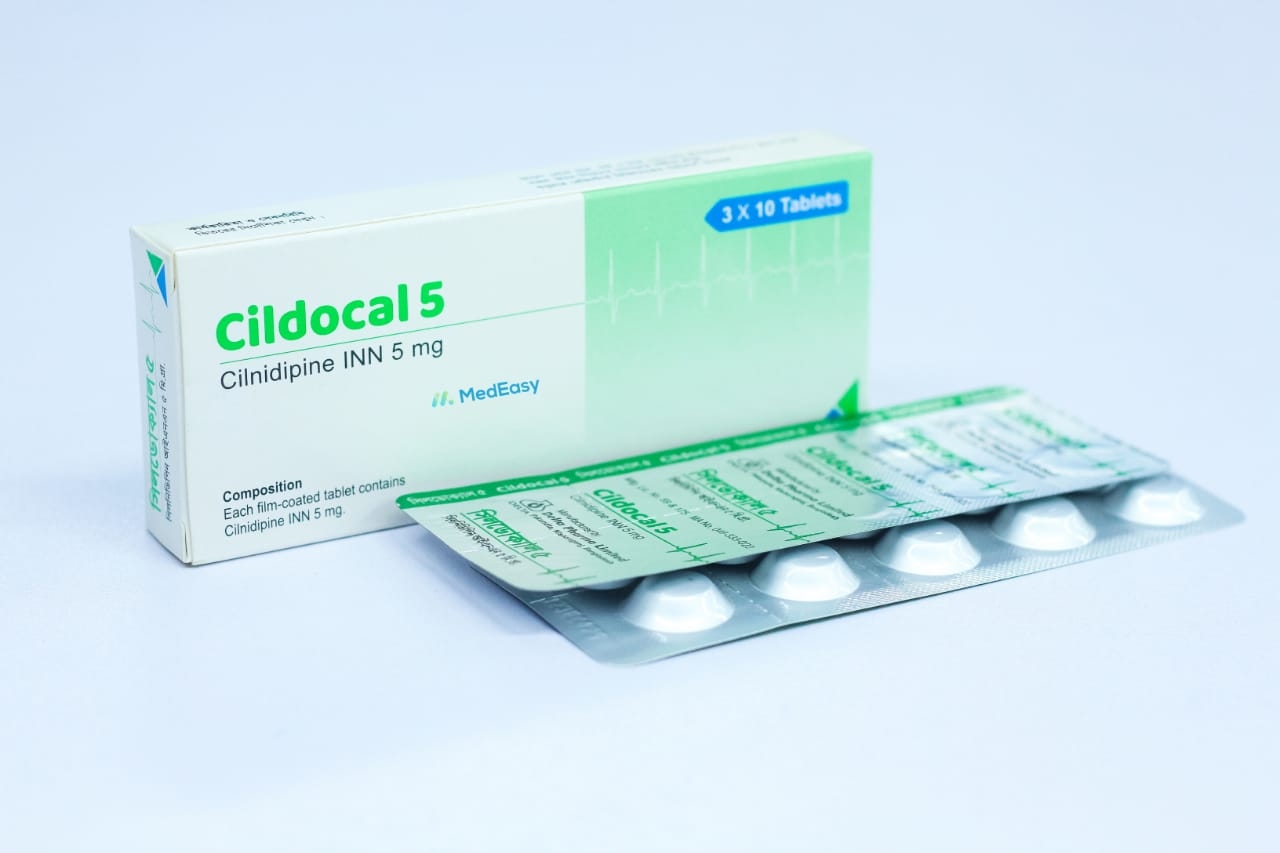
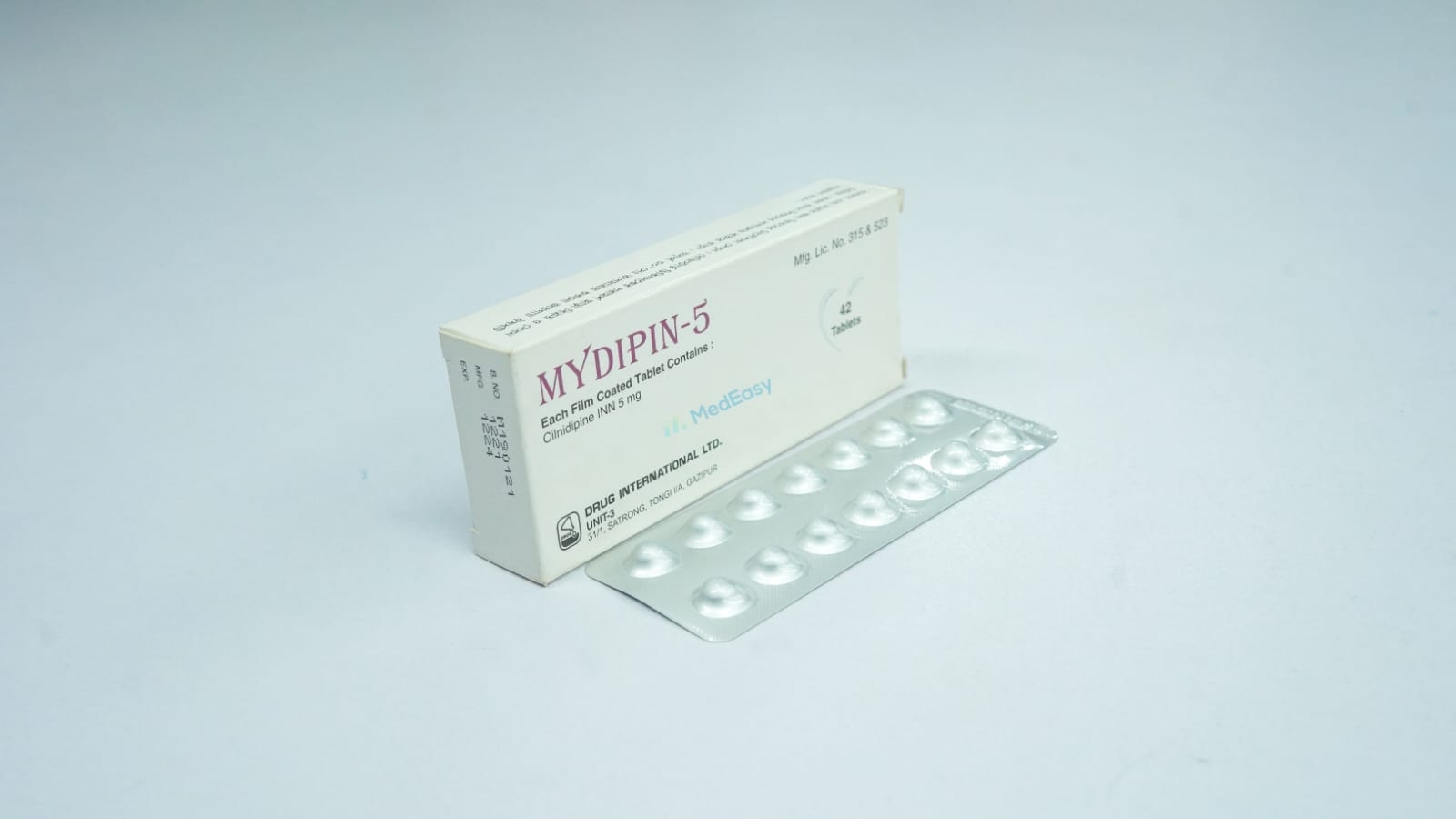
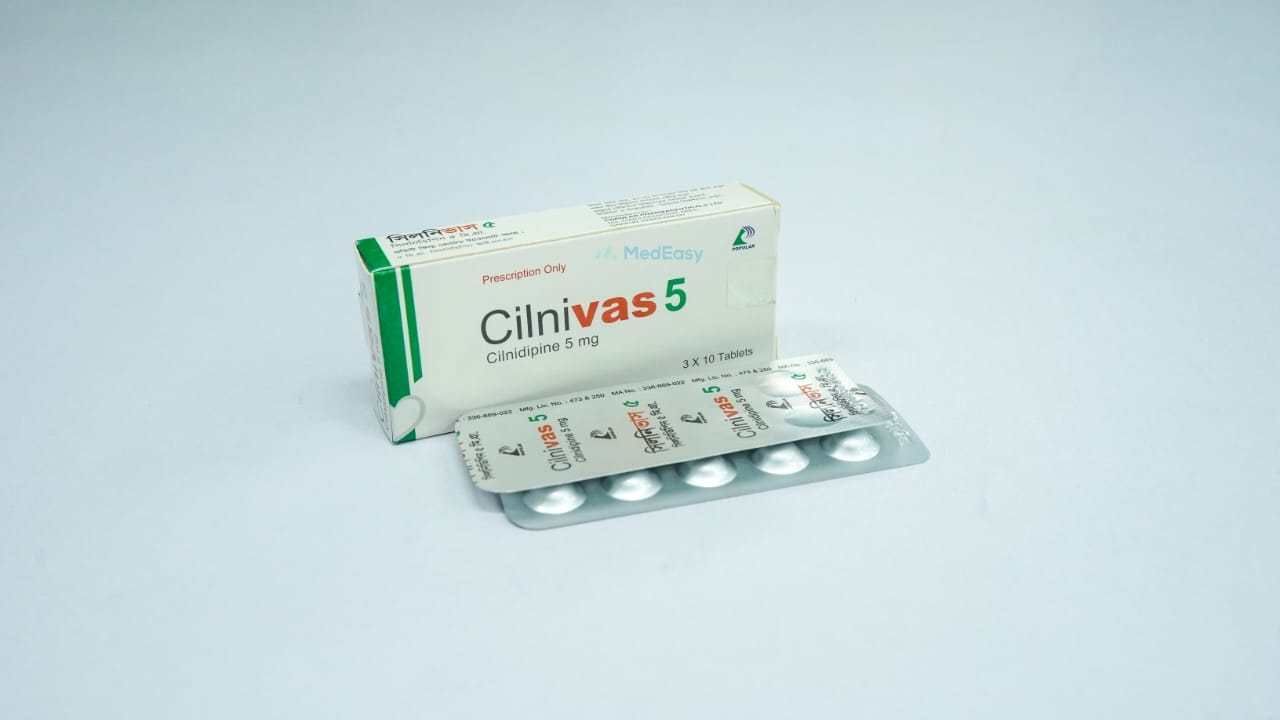
Cilnivas5 mg
Popular Pharmaceuticals Ltd.
৳64.40
Add to cart
Established Use Cilnidipine is indicated for the treatment of essential hypertension (high blood pressure) in adults.
Cilnidipine is indicated for the treatment of essential hypertension (high blood pressure) in adults. It is used to lower blood pressure and, by doing so, reduce the risk of hypertension-related complications such as stroke and cardiovascular events.
Cilnidipine is particularly favored in hypertensive patients who also have diabetes mellitus, albuminuria (protein in urine), or chronic kidney disease, because its additional N-type calcium channel blocking action may offer a degree of renal protection and reduced glomerular capillary pressure compared with conventional dihydropyridine calcium channel blockers. It may also be preferred in patients prone to reflex tachycardia or sympathetic activation on standard dihydropyridine calcium channel blockers.
In patients whose blood pressure is not adequately controlled on Cilnidipine alone, it may be combined with other antihypertensive classes such as angiotensin receptor blockers (ARBs), ACE inhibitors, or diuretics, under physician supervision.
Cilnidipine is administered orally, once daily. Treatment is typically started at a low dose and adjusted by the physician based on blood pressure response and tolerability.
| Indication | Adult Dose | Notes |
|---|---|---|
| Essential hypertension (initial therapy) | 5 mg orally once daily, preferably after breakfast | May be increased gradually based on response |
| Essential hypertension (maintenance/inadequate response) | 10 mg orally once daily | Usual effective maintenance dose |
| Maximum dose | Up to 20 mg once daily | Only under close physician supervision in patients with inadequate response |
Elderly patients: Initiate at the lowest available dose (5 mg once daily) due to increased susceptibility to hypotension, and titrate cautiously.
Renal impairment: Use with caution; no fixed dose reduction is well-established, but close monitoring of blood pressure is advised, particularly in significant renal impairment.
Hepatic impairment: Since Cilnidipine is extensively metabolized by the liver, use with caution and reduced dose in patients with hepatic impairment; avoid in severe hepatic dysfunction unless directed by a physician (see Precautions and Warnings).
Side effects of Cilnidipine are generally mild to moderate and dose-related, consistent with its vasodilatory calcium channel blocking action.
Patients should seek medical advice if side effects are persistent, severe, or accompanied by symptoms such as fainting, chest pain, or significant swelling.
Cilnidipine is contraindicated in patients with:
Other conditions such as severe hepatic impairment, recent myocardial infarction, unstable angina, and pregnancy are important precautions requiring careful risk-benefit assessment rather than absolute contraindications in all cases; see Precautions and Warnings and Pregnancy and Lactation for details.
Disclaimer
The information provided is accurate to the best of our knowledge, but it does not replace professional medical advice. We cannot guarantee its completeness or accuracy, and the absence of specific information about a drug should not be taken as an endorsement. We are not responsible for any consequences arising from this information, so please consult a healthcare professional for any concerns or questions.