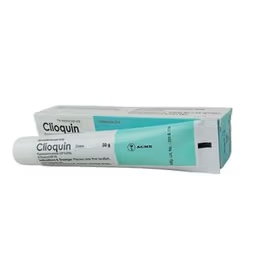
Generic medicine

Clioquinol + Fluocinolone Acetonide: Brands, Price & Uses in Bangladesh

Clioquinol + Fluocinolone Acetonide is a topical combination product indicated for the short-term treatment of inflammatory skin conditions that have, or are suspected to have and more.

Forms:Cream

About Clioquinol + Fluocinolone Acetonide

Indications of Clioquinol + Fluocinolone Acetonide

Clioquinol + Fluocinolone Acetonide is a topical combination product indicated for the short-term treatment of inflammatory skin conditions that have, or are suspected to have, a bacterial and/or fungal component.

Established uses

  • Infected or suspected-infected eczema and dermatitis with a bacterial and/or fungal component
  • Intertrigo (skin-fold rash) with associated bacterial/fungal infection
  • Other inflammatory dermatoses (e.g., infected contact dermatitis, infected seborrhoeic dermatitis) where a corticosteroid is indicated for inflammation and a topical antibacterial/antifungal is indicated for accompanying infection

Important note

Clioquinol + Fluocinolone Acetonide is intended for short-term use to bring the inflammatory and infective components of the condition under control; it is not intended as a long-term or maintenance therapy. It should not be used to treat skin infections that have no inflammatory component, or inflammation with no suspected infective component, since unnecessary corticosteroid or antimicrobial exposure should be avoided.

Dosage & Administration of Clioquinol + Fluocinolone Acetonide

Clioquinol + Fluocinolone Acetonide should be used exactly as directed by a physician or as stated on the product label. General guidance:

PopulationTypical use
AdultsApply a thin layer to the affected skin area, usually 2-3 times daily, for a short course (commonly up to 1-2 weeks) or as directed
ChildrenUse only under medical supervision, with the smallest effective amount for the shortest duration; avoid use in infants unless specifically directed by a physician

Treatment should be limited to the shortest duration needed to control symptoms, given the corticosteroid component. See Duration of Treatment and Precautions and Warnings.

Side Effects of Clioquinol + Fluocinolone Acetonide

Side effects with Clioquinol + Fluocinolone Acetonide are usually local and mild when used as directed, but may include:

  • Local burning, stinging, or itching sensation at the application site
  • Local skin irritation, dryness, or contact dermatitis/hypersensitivity reaction
  • Yellow-brown staining of the skin, hair, and fabrics - a recognized cosmetic effect of clioquinol that patients should be counselled about

Less common, generally associated with prolonged or excessive use of the corticosteroid component:

  • Local skin thinning (atrophy), striae, telangiectasia, and hypopigmentation, particularly on the face, skin folds, or under occlusion - see Precautions and Warnings
  • Masking or worsening of untreated infection
  • Rarely, with extensive or prolonged use over large body surface areas, systemic absorption of clioquinol has historically been associated with neurological effects (subacute myelo-optic neuropathy, SMON), a risk described mainly with oral/high-dose exposure; topical use at labeled doses and areas carries a much lower risk - see Precautions and Warnings

Discontinue use and consult a physician if a severe or persistent reaction occurs.

Contraindications of Clioquinol + Fluocinolone Acetonide

Clioquinol + Fluocinolone Acetonide is contraindicated in the following situations:

  • Known hypersensitivity to clioquinol, fluocinolone acetonide, other hydroxyquinolines, iodine, or any component of the formulation
  • Primary cutaneous viral infections, including herpes simplex, varicella (chickenpox), and vaccinia, as the corticosteroid component can worsen these infections
  • Tuberculous or syphilitic skin lesions
  • Untreated skin infections not covered by the antimicrobial spectrum of clioquinol

Frequently Asked Questions about Clioquinol + Fluocinolone Acetonide

What is Clioquinol + Fluocinolone Acetonide used for?

Clioquinol + Fluocinolone Acetonide is used for the short-term treatment of inflamed skin conditions, such as infected eczema or dermatitis, that have a suspected or confirmed bacterial or fungal component.

How long can I use Clioquinol + Fluocinolone Acetonide?

Use of Clioquinol + Fluocinolone Acetonide should generally be limited to short-term treatment, commonly up to 1-2 weeks, unless your physician advises otherwise. Prolonged use increases the risk of local corticosteroid-related side effects such as skin thinning.

Why does Clioquinol + Fluocinolone Acetonide stain my skin, hair, or clothing?

Clioquinol + Fluocinolone Acetonide contains clioquinol, which is well known to cause a yellow-brown staining of skin, hair, and fabrics. This is a recognized cosmetic effect and does not indicate harm, but you should take care to avoid staining clothing and bedding during use.

Can I use Clioquinol + Fluocinolone Acetonide if I am pregnant or breastfeeding?

Clioquinol + Fluocinolone Acetonide should be used during pregnancy only if clearly needed and if the potential benefit justifies the potential risk to the fetus, and application to the breast area should be avoided while breastfeeding. Please consult your physician before use.

Is Clioquinol + Fluocinolone Acetonide safe for children?

Safety and efficacy of Clioquinol + Fluocinolone Acetonide in children, especially infants, have not been well established. It should only be used in children under a physician's direct supervision, with the smallest amount for the shortest time, and never under occlusive dressings or tight diapers.

Who should not use Clioquinol + Fluocinolone Acetonide?

Clioquinol + Fluocinolone Acetonide should not be used by individuals with known hypersensitivity to any of its components or to iodine, those with primary viral skin infections such as herpes simplex or chickenpox, and those with tuberculous or syphilitic skin lesions.

Disclaimer

The information provided is accurate to the best of our knowledge, but it does not replace professional medical advice. We cannot guarantee its completeness or accuracy, and the absence of specific information about a drug should not be taken as an endorsement. We are not responsible for any consequences arising from this information, so please consult a healthcare professional for any concerns or questions.

DoctorBlogArticles