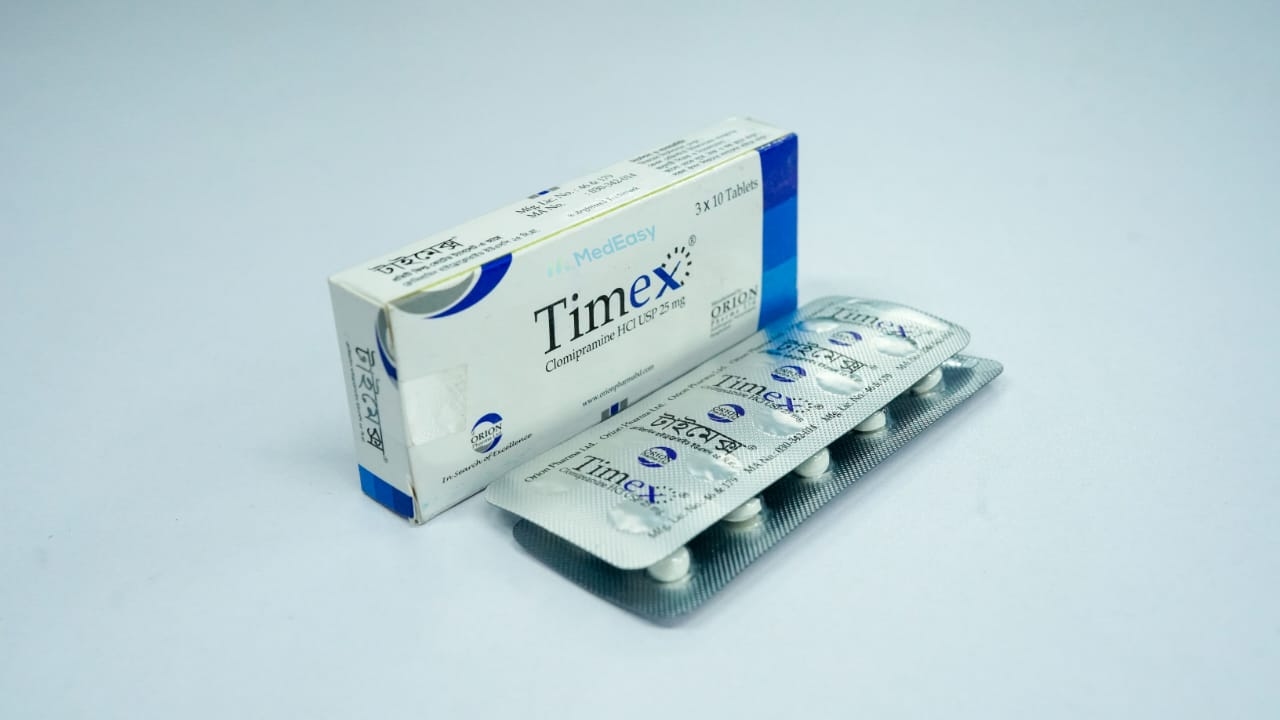
Generic medicine

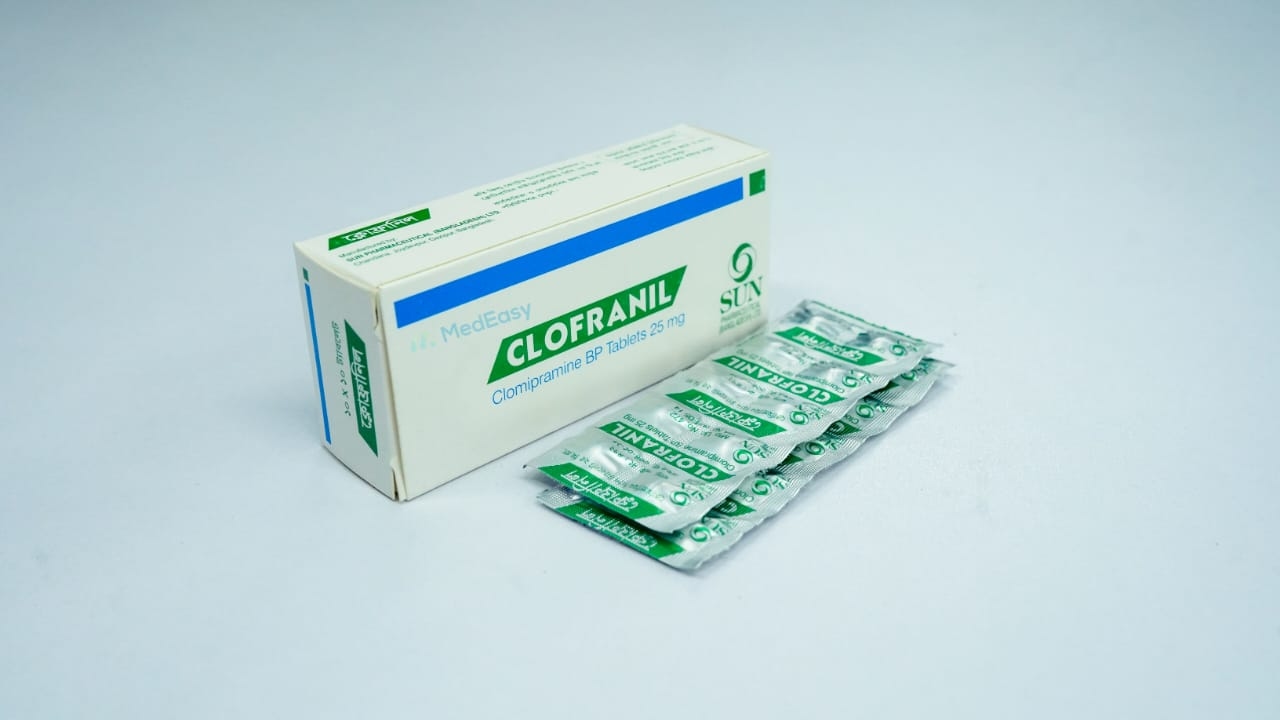
Clomipramine Hydrochloride: Brands, Price & Uses in Bangladesh

Clomipramine Hydrochloride is a tricyclic antidepressant (TCA) with the following evidence-based uses: Established/FDA-approved use Obsessive-Compulsive Disorder (OCD): Clomipramine Hydrochloride is…

Forms:Tablet

About Clomipramine Hydrochloride

Indications of Clomipramine Hydrochloride

Clomipramine Hydrochloride is a tricyclic antidepressant (TCA) with the following evidence-based uses:

Established/FDA-approved use

  • Obsessive-Compulsive Disorder (OCD): Clomipramine Hydrochloride is indicated for the treatment of obsessions and compulsions in patients with OCD when these symptoms cause marked distress, are time-consuming, or significantly interfere with social or occupational functioning.

Guideline-supported / commonly used off-label uses

  • Major depressive disorder (MDD): Clomipramine Hydrochloride is used off-label (and is an approved indication in some other countries) for depression, particularly when other antidepressants have failed, though it is not typically first-line due to its side-effect profile.
  • Panic disorder with or without agoraphobia: used off-label in some treatment-resistant cases, based on limited trial evidence.
  • Chronic pain / neuropathic pain syndromes: occasionally used off-label as an adjunct, consistent with other TCAs, though evidence is limited compared to amitriptyline.

Off-label uses should only be undertaken under specialist supervision after first-line options have been considered.

Dosage & Administration of Clomipramine Hydrochloride

Obsessive-Compulsive Disorder (OCD)

PopulationDosing
AdultsInitiate at 25 mg/day with meals, gradually increased over 2 weeks as tolerated, up to 100 mg/day in divided doses during the first weeks; may be further increased to a maximum of 250 mg/day. Once a maintenance dose is established, the entire dose may be given once daily at bedtime.
Children and adolescents (10-17 years)Initiate at 25 mg/day, gradually increased over 2 weeks, up to a maximum of 3 mg/kg/day or 200 mg/day, whichever is smaller.

Depression (off-label)

Typically initiated at 25 mg at bedtime, increased gradually as tolerated; usual maintenance range 100-150 mg/day, not to exceed 250 mg/day in adults. Elderly patients are generally kept to lower doses (commonly not exceeding 75 mg/day) due to increased sensitivity to anticholinergic and cardiac effects.

General administration notes

  • Clomipramine Hydrochloride should be taken with food to reduce gastrointestinal upset.
  • Dose should be titrated slowly under medical supervision; do not stop abruptly (see Precautions).
  • Full therapeutic benefit for OCD/depression may take 2-4 weeks or longer.
  • Renal/hepatic impairment: use with caution and at lower doses, with close monitoring; well-established formal dose adjustment guidelines are not established, so dosing should be individualized by the treating physician.

Side Effects of Clomipramine Hydrochloride

Side effects associated with Clomipramine Hydrochloride are generally consistent with the tricyclic antidepressant class and are often dose-related.

Very common (reported in a large proportion of patients)

  • Dry mouth, constipation, and other anticholinergic effects
  • Somnolence/drowsiness and fatigue
  • Tremor and dizziness
  • Nausea, dyspepsia, and weight gain
  • Sexual dysfunction (notably ejaculatory failure in men, decreased libido)
  • Excessive sweating

Less common but clinically important

  • Orthostatic hypotension and tachycardia
  • Blurred vision, urinary retention/hesitancy
  • Weight gain, hyponatremia (particularly in elderly patients)

Serious (require prompt medical attention)

  • Seizures, particularly at higher doses or with rapid dose increases
  • Cardiac conduction abnormalities and arrhythmias
  • Suicidal thinking or behavior, especially in patients under 25 years of age (see Precautions)
  • Angle-closure glaucoma (acute eye pain, vision changes)
  • Serotonin syndrome (when combined with other serotonergic agents)
  • Rare severe skin reactions (e.g., DRESS syndrome)

Contraindications of Clomipramine Hydrochloride

Clomipramine Hydrochloride is contraindicated in:

  • Known hypersensitivity to Clomipramine Hydrochloride or to other tricyclic antidepressants.
  • Concurrent use of monoamine oxidase inhibitors (MAOIs), or use within 14 days of discontinuing an MAOI (or discontinuing Clomipramine Hydrochloride before starting an MAOI).
  • The acute recovery period following myocardial infarction.

Frequently Asked Questions about Clomipramine Hydrochloride

What is Clomipramine Hydrochloride used for?

Clomipramine Hydrochloride is a tricyclic antidepressant primarily used to treat obsessive-compulsive disorder (OCD) in adults and adolescents/children aged 10 and older. It is also sometimes used off-label for depression and certain anxiety or panic disorders when other treatments have not worked.

How long does it take for Clomipramine Hydrochloride to work?

Some improvement in mood or anxiety symptoms may be seen within 1-2 weeks, but the full effect on obsessive-compulsive symptoms often takes 4-10 weeks of consistent use at an optimized dose. Do not stop taking it early just because you do not feel a difference right away — discuss any concerns with your doctor.

Can children and teenagers take Clomipramine Hydrochloride?

Clomipramine Hydrochloride is approved for OCD in children and adolescents aged 10-17 years, at doses adjusted for body weight. It is not established as safe or effective in children under 10. All young patients taking Clomipramine Hydrochloride need close monitoring for mood changes and suicidal thoughts, especially during the first few months of treatment.

Is Clomipramine Hydrochloride safe during pregnancy or breastfeeding?

Clomipramine Hydrochloride should only be used during pregnancy if clearly needed and if your doctor decides the benefits outweigh the risks, since tricyclic antidepressants used late in pregnancy have been linked to withdrawal symptoms in newborns. Clomipramine Hydrochloride also passes into breast milk, so talk to your physician about whether to breastfeed or continue the medication, since this decision must weigh the benefit to you against potential risk to the baby.

What should I do if I miss a dose or take too much Clomipramine Hydrochloride?

If you miss a dose, take it as soon as you remember unless it is almost time for the next one — do not double up. If you or someone else has taken too much Clomipramine Hydrochloride, this is a medical emergency because overdose can cause dangerous heart rhythm problems and seizures; seek immediate emergency medical attention or contact a poison control center right away.

Can I suddenly stop taking Clomipramine Hydrochloride?

No. Stopping Clomipramine Hydrochloride abruptly after regular use can cause withdrawal-like symptoms such as nausea, headache, and malaise. Your doctor will guide you on gradually tapering the dose when it is time to stop.

Disclaimer

The information provided is accurate to the best of our knowledge, but it does not replace professional medical advice. We cannot guarantee its completeness or accuracy, and the absence of specific information about a drug should not be taken as an endorsement. We are not responsible for any consequences arising from this information, so please consult a healthcare professional for any concerns or questions.

DoctorBlogArticles