Generic medicine

Clove oil: Brands, Price & Uses in Bangladesh

Clove oil is a eugenol-rich essential oil distilled from the flower buds (and sometimes leaves/stem) of the clove plant ( Syzygium aromaticum ).

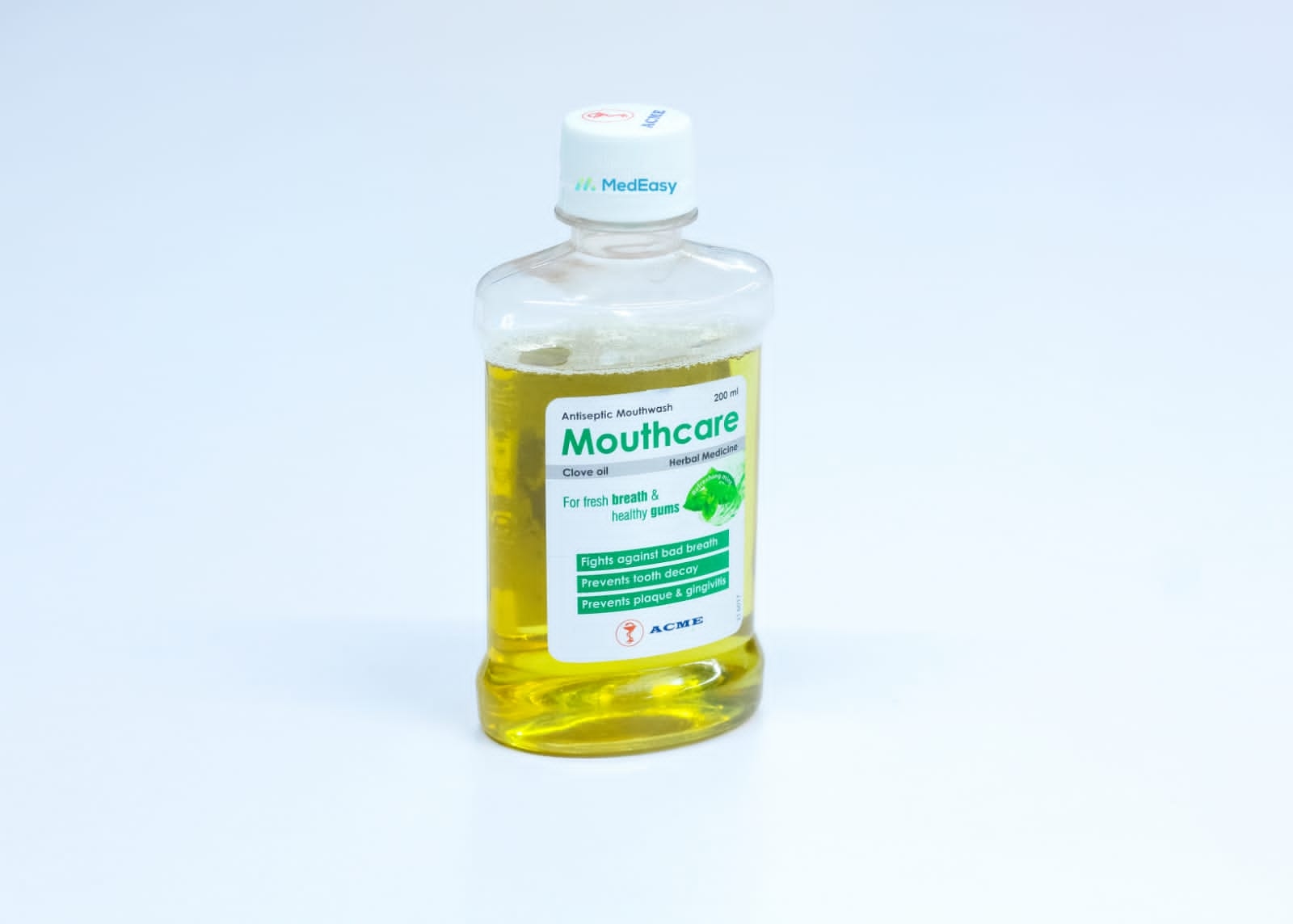
Forms:Mouthwash

About Clove oil

Indications of Clove oil

Clove oil is a eugenol-rich essential oil distilled from the flower buds (and sometimes leaves/stem) of the clove plant (Syzygium aromaticum). Its use is supported by different levels of evidence depending on the indication:

  • Traditional/established topical use: Temporary, short-term relief of dental pain (toothache) and minor gum irritation when applied topically to the affected tooth or gum, on the advice of a dentist or physician. Some clinical evidence supports eugenol's local analgesic effect for dental pain specifically (e.g. as a component of temporary dental dressings/cements).
  • Topical antiseptic: Traditionally used as a mild topical antiseptic for the oral cavity in the context of dental discomfort.
  • Not established/off-label: Use for infant/child teething pain is not established as safe or effective and is not recommended (see Contraindications and Use in Special Populations). Aromatherapy and other non-dental topical folk uses are not supported by robust clinical evidence and are outside the scope of this monograph.

Clove oil is intended for short-term symptomatic relief only and is not a substitute for professional dental treatment.

Dosage & Administration of Clove oil

Indication: Temporary Dental Pain Relief (Topical, Adults and Adolescents)

PopulationDirections
Adults and adolescentsApply a small amount of Clove oil (often diluted with a suitable carrier, e.g. olive oil, unless the product is pre-diluted) to the affected tooth/gum using a clean cotton swab, up to a few times daily as needed for temporary relief, or as directed by a dentist/physician.
ChildrenNot recommended for unsupervised home use; use only under direct guidance of a dentist/physician (see Pediatric Use).

Clove oil is for external/topical dental use only and must never be swallowed. See Administration and Precautions and Warnings for full application guidance.

Side Effects of Clove oil

Local adverse effects from topical use of Clove oil include:

  • Local burning, stinging, or warming sensation at the application site (common, usually mild and transient).
  • Mucosal or gingival irritation.
  • Contact dermatitis or allergic hypersensitivity reaction in sensitized individuals.
  • Chemical burn or tissue damage to oral mucosa with prolonged, repeated, or undiluted/concentrated application.
  • Rarely, systemic toxicity if inadvertently swallowed in significant amount (see Overdose Effects).

Contraindications of Clove oil

  • Known hypersensitivity to Clove oil, eugenol, or clove-derived products.
  • Ingestion of concentrated Clove oil is contraindicated due to risk of serious eugenol toxicity (see Overdose Effects).
  • Application to open wounds or broken skin outside the intended, limited dental application area.

Clove oil is not established as safe for use in infants and young children for teething pain and should be avoided in this population (see Use in Special Populations).

Frequently Asked Questions about Clove oil

What is Clove oil used for?

Clove oil is a eugenol-rich essential oil traditionally and topically used for short-term relief of dental pain (toothache) and minor gum irritation, and as a mild topical oral antiseptic, when applied correctly to the affected tooth or gum.

Can I swallow Clove oil or use it in my mouth like a mouthwash?

No. Clove oil is for external, topical application to a specific tooth or gum area only. It must never be swallowed or used as a mouth rinse, because ingestion of concentrated Clove oil can cause serious eugenol toxicity, including liver injury and central nervous system effects, especially in children.

Is Clove oil safe to use for a baby's teething pain?

No. Clove oil is not established as safe or effective for infant or young child teething pain and should be avoided in this population, due to the risk of toxicity if the child swallows any of the product and lack of established safety data.

Can I use Clove oil during pregnancy or while breastfeeding?

Clove oil should be used during pregnancy or lactation only if clearly needed for its intended topical dental purpose, applied sparingly, and after consulting a physician or dentist, since potential benefit must be weighed against potential risk; ingestion should always be avoided.

What should I do if I accidentally swallow Clove oil?

Seek immediate medical attention or contact a poison control center/emergency services right away, as ingestion of concentrated Clove oil can cause serious toxicity including nausea, vomiting, drowsiness, breathing difficulty, metabolic acidosis, and liver injury.

How long can I use Clove oil for a toothache before seeing a dentist?

Clove oil should only be used for short-term relief, generally no more than 1-2 days. If pain persists, worsens, or is accompanied by swelling or fever, stop use and see a dentist promptly, since Clove oil only relieves symptoms and does not treat the underlying dental problem.

Disclaimer

The information provided is accurate to the best of our knowledge, but it does not replace professional medical advice. We cannot guarantee its completeness or accuracy, and the absence of specific information about a drug should not be taken as an endorsement. We are not responsible for any consequences arising from this information, so please consult a healthcare professional for any concerns or questions.

DoctorBlogArticles