
Generic medicine

Cyclophosphamide: Brands, Price & Uses in Bangladesh

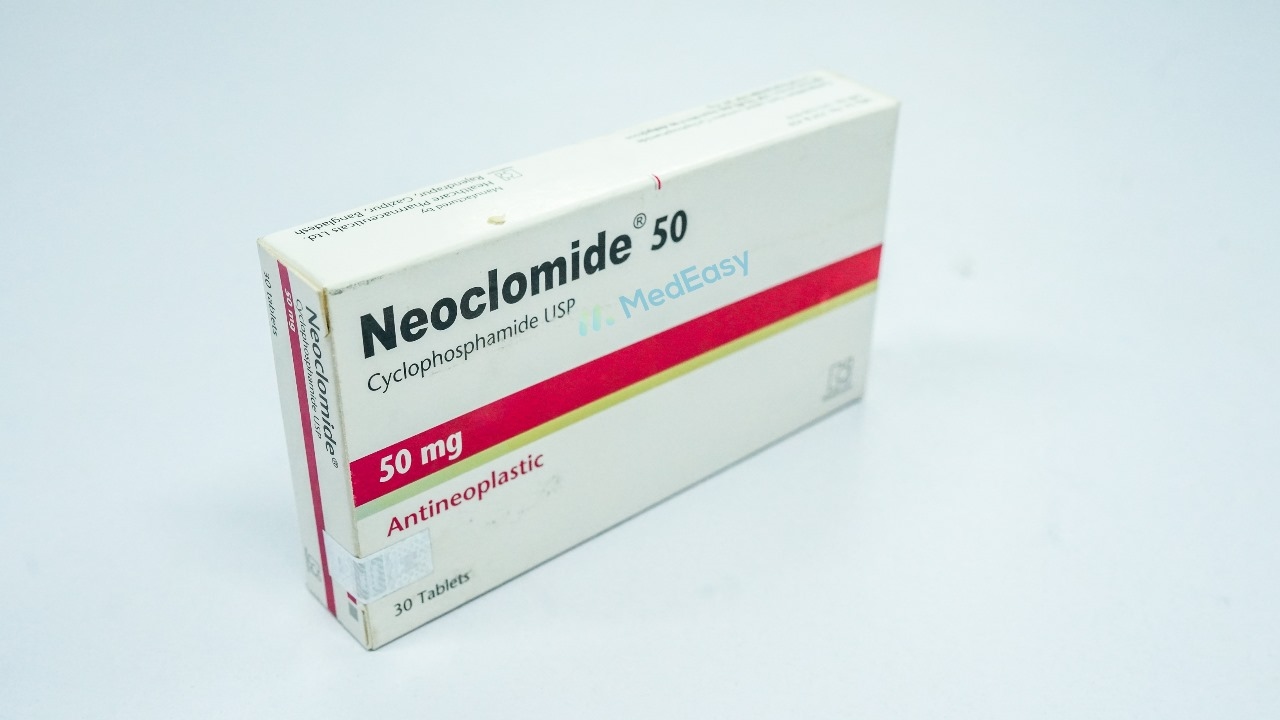
Cyclophosphamide is an alkylating agent used, either alone or in combination with other antineoplastic agents, in the treatment of a variety of malignancies and severe autoimmune conditions.

Forms:IV InfusionTablet

About Cyclophosphamide

Indications of Cyclophosphamide

Cyclophosphamide is an alkylating agent used, either alone or in combination with other antineoplastic agents, in the treatment of a variety of malignancies and severe autoimmune conditions.

FDA-approved / established uses

  • Malignant lymphomas (Hodgkin and non-Hodgkin lymphoma)
  • Multiple myeloma
  • Leukemias, including chronic lymphocytic leukemia, chronic granulocytic leukemia, acute myelogenous and acute lymphoblastic leukemia
  • Mycosis fungoides (advanced disease)
  • Neuroblastoma (disseminated disease)
  • Adenocarcinoma of the ovary
  • Retinoblastoma
  • Carcinoma of the breast
  • Biopsy-proven minimal change nephrotic syndrome in children who have not responded adequately to corticosteroid therapy

Guideline-supported / specialist off-label uses

  • Severe lupus nephritis and other severe manifestations of systemic lupus erythematosus (as part of specialist-directed immunosuppressive protocols)
  • ANCA-associated vasculitis (e.g. granulomatosis with polyangiitis, microscopic polyangiitis), typically for remission induction
  • Severe, refractory rheumatoid arthritis and other autoimmune/connective tissue diseases unresponsive to standard therapy
  • Conditioning regimen prior to hematopoietic stem cell/bone marrow transplantation

Use for autoimmune indications and as part of multi-agent chemotherapy regimens should only be initiated and supervised by a specialist experienced in the use of cytotoxic/immunosuppressive therapy.

Dosage & Administration of Cyclophosphamide

Dosing of Cyclophosphamide is highly individualized based on indication, treatment protocol, combination regimen, and patient hematologic/renal/hepatic status. Treatment must be prescribed and monitored by a physician experienced in cytotoxic chemotherapy or immunosuppressive therapy.

IndicationTypical adult dosing
Malignancy (as part of combination chemotherapy)Highly regimen-specific, commonly 500-1500 mg/m² IV as an intermittent dose, or 1-5 mg/kg/day orally; per approved protocol
Severe autoimmune disease (e.g. lupus nephritis, vasculitis)Typically 0.5-1 g/m² IV pulse therapy at intervals defined by protocol, or lower daily oral doses, per specialist-directed regimen

Adequate hydration (oral or IV fluids) and, for higher doses, prophylactic use of mesna are used to reduce the risk of hemorrhagic cystitis. Antiemetic prophylaxis is generally required. Complete blood counts must be monitored before and periodically during therapy, with dose modification for significant myelosuppression.

Renal impairment: Dose reduction is generally recommended in significant renal impairment because active/toxic metabolites may accumulate; adjust per protocol and specialist guidance.

Hepatic impairment: Use with caution and consider dose reduction in patients with significant hepatic impairment (e.g. elevated bilirubin), as hepatic activation of the prodrug may be affected.

Side Effects of Cyclophosphamide

Cyclophosphamide carries serious dose-related toxicities in addition to common adverse effects.

Serious/boxed-warning-level risks

  • Myelosuppression: Neutropenia, thrombocytopenia, and anemia, increasing risk of serious infection and bleeding; requires regular blood count monitoring.
  • Hemorrhagic cystitis: Caused by the toxic metabolite acrolein; presents as bladder irritation, hematuria, and dysuria. Risk is reduced with adequate hydration and, at higher doses, mesna prophylaxis.
  • Cardiotoxicity: Particularly with high-dose regimens (e.g. transplant conditioning); can cause hemorrhagic myocarditis and heart failure.
  • Secondary malignancy: Long-term use is associated with increased risk of bladder cancer, myelodysplastic syndrome, and acute leukemia.
  • Infertility: Can cause amenorrhea, ovarian failure, azoospermia, and testicular atrophy, which may be irreversible.
  • Pulmonary toxicity: Interstitial pneumonitis and pulmonary fibrosis have been reported, especially with prolonged therapy.
  • Impaired wound healing and increased infection risk due to immunosuppression.

Common adverse effects

  • Nausea and vomiting
  • Alopecia (hair loss, usually reversible)
  • Anorexia, mucositis/stomatitis
  • Diarrhea
  • Metallic taste, facial flushing during infusion
  • Fatigue
  • Syndrome of inappropriate antidiuretic hormone secretion (SIADH) at high doses

Contraindications of Cyclophosphamide

Cyclophosphamide is contraindicated in:

  • Patients with known hypersensitivity to Cyclophosphamide or its components
  • Patients with severely depressed bone marrow function
  • Pregnancy, due to well-established teratogenic and fetotoxic effects

Frequently Asked Questions about Cyclophosphamide

What is Cyclophosphamide used for?

Cyclophosphamide is used as a chemotherapy agent for various cancers, including lymphomas, leukemias, and breast cancer, and at lower doses as an immunosuppressant for severe autoimmune diseases such as lupus nephritis and certain types of vasculitis, always under specialist supervision.

Can Cyclophosphamide be used during pregnancy?

No. Cyclophosphamide is contraindicated in pregnancy because it is a well-established teratogen that can cause serious birth defects, growth restriction, or fetal loss, particularly in the first trimester. Effective contraception should be used during and after treatment, and pregnancy must be excluded before starting therapy.

Why do I need to drink extra fluids while taking Cyclophosphamide?

A toxic breakdown product of Cyclophosphamide called acrolein can irritate the bladder lining and cause hemorrhagic cystitis (bladder inflammation with bleeding). Adequate hydration, and in higher-dose regimens a protective medicine called mesna, help reduce this risk. Report any blood in the urine to your doctor immediately.

Will Cyclophosphamide affect my fertility?

Cyclophosphamide can cause infertility, including ovarian failure/amenorrhea in women and reduced sperm production in men, which may be permanent, especially with higher cumulative doses. Discuss fertility preservation options with your doctor before starting treatment if this is a concern.

What are the most serious side effects of Cyclophosphamide I should watch for?

Seek prompt medical attention for signs of infection (fever, chills), unusual bleeding or bruising, blood in the urine, severe shortness of breath, or chest pain while on Cyclophosphamide, as these may indicate bone marrow suppression, hemorrhagic cystitis, or cardiac/pulmonary toxicity.

Is it safe to breastfeed while taking Cyclophosphamide?

No. Cyclophosphamide passes into breast milk and can cause serious harm, including bone marrow suppression, in a nursing infant. Breastfeeding should be avoided during treatment with Cyclophosphamide.

Disclaimer

The information provided is accurate to the best of our knowledge, but it does not replace professional medical advice. We cannot guarantee its completeness or accuracy, and the absence of specific information about a drug should not be taken as an endorsement. We are not responsible for any consequences arising from this information, so please consult a healthcare professional for any concerns or questions.
DoctorBlogArticles