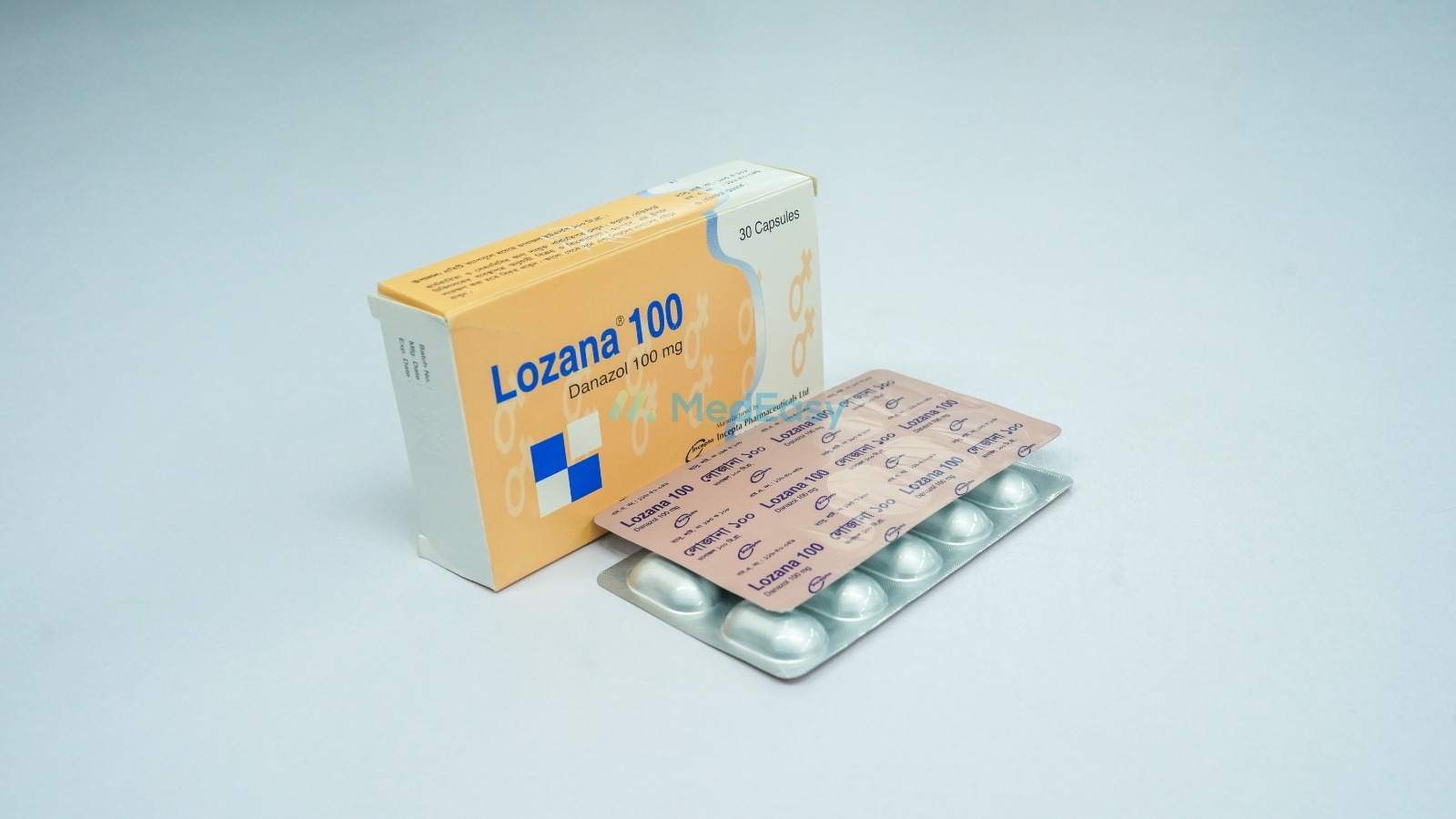
Generic medicine

Danazol: Brands, Price & Uses in Bangladesh

Danazol is a synthetic androgen derivative (attenuated androgen) used in the following clinical settings: Established / FDA-approved uses Endometriosis : Danazol is indicated for the management of…

Forms:Capsule

About Danazol

Indications of Danazol

Danazol is a synthetic androgen derivative (attenuated androgen) used in the following clinical settings:

Established / FDA-approved uses

  • Endometriosis: Danazol is indicated for the management of pelvic pain and other symptoms of endometriosis in patients who cannot tolerate, or have not responded to, other therapies, when the goal is symptomatic relief rather than cure.
  • Prophylaxis of hereditary angioedema (HAE): Danazol is indicated to reduce the frequency and severity of attacks of angioedema (abdominal, facial, laryngeal, and limb) in males and females with this condition.

Guideline-supported / historically established use

  • Fibrocystic breast disease: Danazol has established use for relief of pain, tenderness, and nodularity of moderate to severe fibrocystic breast disease; because of its androgenic and hepatic risks, it is now generally reserved for patients who have not responded adequately to other measures.

Danazol is not a first-line agent for endometriosis or fibrocystic breast disease in most current practice; it is generally used when other options have failed or are not suitable, and treatment is time-limited (see Duration of Treatment).

Dosage & Administration of Danazol

Dosage of Danazol is individualized by indication and clinical response. Therapy is typically started during menstruation (after a negative pregnancy test) to reduce the risk of inadvertent exposure in early pregnancy.

IndicationAdult Dosage of Danazol
Endometriosis (mild)200-400 mg per day in two divided doses, for 3-6 months
Endometriosis (moderate to severe, or with infertility)800 mg per day in two divided doses; therapy may be extended up to 9 months if needed
Fibrocystic breast disease100-400 mg per day in two divided doses, usually for 3-6 months, started during menstruation
Hereditary angioedema (prophylaxis)Initially 200 mg two to three times daily; after a favorable response, the dose is reduced by 50% or less at intervals of 1-3 months, or the dosing interval is increased, to find the lowest effective maintenance dose

If breakthrough attacks of angioedema occur while on maintenance therapy, the daily dose of Danazol may be increased by up to 200 mg, under physician guidance.

Side Effects of Danazol

Common and serious adverse effects associated with Danazol include:

  • Androgenic effects: acne, oily skin/hair, hirsutism, weight gain, edema, voice deepening or hoarseness, and (rarely) clitoral enlargement; voice changes and other virilizing effects may be irreversible even after stopping Danazol and require prompt reporting to a physician.
  • Menstrual changes: amenorrhea, spotting, or irregular bleeding.
  • Hepatic effects: elevated liver enzymes, cholestatic jaundice; rarely, peliosis hepatis and benign or malignant hepatic tumors with long-term use (see Precautions and Warnings).
  • Lipid changes: decreased HDL and increased LDL cholesterol.
  • Nervous system: headache, dizziness, mood changes/depression, and rarely benign intracranial hypertension (pseudotumor cerebri).
  • Other: hot flashes, muscle cramps, nausea, rash, and reduced sperm count in men.

Contraindications of Danazol

Danazol is contraindicated in patients with any of the following:

  • Known hypersensitivity to Danazol or any component of the formulation
  • Pregnancy (see Pregnancy and Lactation)
  • Breast-feeding
  • Undiagnosed abnormal genital bleeding
  • Markedly impaired hepatic, renal, or cardiac function
  • Active thromboembolic disease or a history of thromboembolic or thrombotic disease
  • Porphyria
  • Androgen-dependent tumors

Frequently Asked Questions about Danazol

What is Danazol used for?

Danazol is used to relieve the symptoms of endometriosis, to treat moderate to severe fibrocystic breast disease, and to prevent attacks of hereditary angioedema (a condition causing episodes of swelling).

Can Danazol be used during pregnancy?

No. Danazol is contraindicated in pregnancy because it can cause androgenic (masculinizing) effects on a female fetus. A pregnancy test is required before starting treatment, and effective non-hormonal contraception must be used throughout therapy with Danazol.

What are the most serious side effects of Danazol?

The most serious concerns with Danazol are liver problems (including rare but serious conditions such as peliosis hepatis and liver tumors) and androgenic effects such as voice deepening and hirsutism, which can be permanent even after stopping Danazol. Blood clots and increased pressure around the brain (intracranial hypertension) have also been reported.

How long is Danazol usually taken for?

Duration depends on the condition: endometriosis and fibrocystic breast disease are usually treated for 3-6 months (up to 9 months for endometriosis if needed), while hereditary angioedema prophylaxis with Danazol may require longer-term use at the lowest effective dose under medical supervision.

Does Danazol interact with other medicines?

Yes. Danazol can significantly increase the effect of warfarin (raising bleeding risk), alter blood sugar control in people on insulin or oral diabetes medicines, raise levels of carbamazepine, cyclosporine, and tacrolimus, and increase the risk of muscle problems with statins. Always tell your doctor about all medicines you take before starting Danazol.

What monitoring is needed while taking Danazol?

Physicians typically monitor liver function tests periodically, watch for signs of androgenic effects (voice change, hirsutism), monitor blood glucose in diabetic patients, and check for symptoms of blood clots or intracranial hypertension while a patient is taking Danazol.

Disclaimer

The information provided is accurate to the best of our knowledge, but it does not replace professional medical advice. We cannot guarantee its completeness or accuracy, and the absence of specific information about a drug should not be taken as an endorsement. We are not responsible for any consequences arising from this information, so please consult a healthcare professional for any concerns or questions.

DoctorBlogArticles