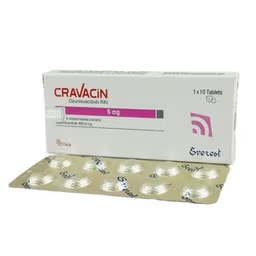
Generic medicine

Deucravacitinib: Brands, Price & Uses in Bangladesh

Deucravacitinib is an oral, selective tyrosine kinase 2 (TYK2) inhibitor approved for the following indications: Established / Approved Uses Moderate-to-severe plaque psoriasis in adults who are…

Forms:Tablet

About Deucravacitinib

Indications of Deucravacitinib

Deucravacitinib is an oral, selective tyrosine kinase 2 (TYK2) inhibitor approved for the following indications:

Established / Approved Uses

  • Moderate-to-severe plaque psoriasis in adults who are candidates for systemic therapy or phototherapy.
  • Active psoriatic arthritis in adults, based on regulatory approval and supporting clinical trial data.

Important Notes on Use

  • Deucravacitinib is intended for patients whose disease is significant enough to require a systemic (whole-body) treatment rather than topical therapy alone.
  • Deucravacitinib is not recommended for use in combination with other potent immunosuppressants, including biologic therapies or other systemic immunosuppressive agents, as this combination has not been studied and may increase risk.
  • Deucravacitinib is a relatively new class of medicine (a selective TYK2 inhibitor, distinct from JAK1/2/3 inhibitors); long-term comparative safety data are still accumulating, and use should follow current specialist guidance.

Dosage & Administration of Deucravacitinib

Recommended Dosage

IndicationDose
Moderate-to-severe plaque psoriasis (adults)6 mg orally once daily
Active psoriatic arthritis (adults)6 mg orally once daily

Administration

  • Take Deucravacitinib orally, with or without food, at approximately the same time each day.
  • Swallow tablets whole; do not split, crush, or chew.
  • If a dose is missed, take it as soon as remembered on the same day; do not double the dose to make up for a missed one.

Dose Adjustments

  • Hepatic impairment: No dose adjustment required for mild-to-moderate hepatic impairment. Use is not recommended in severe (Child-Pugh C) hepatic impairment.
  • Renal impairment: No dose adjustment established as necessary in mild-to-moderate renal impairment; data are limited in severe renal impairment, so use with caution and physician oversight.
  • Elderly: No specific dose adjustment recommended, though clinical experience in patients over 65 years is more limited (see Use in Special Populations).

Side Effects of Deucravacitinib

The most commonly reported adverse effects of Deucravacitinib (occurring in ≥1% of patients in clinical trials) include:

  • Upper respiratory tract infections
  • Increased blood creatine phosphokinase (CPK)
  • Herpes simplex infections (including cold sores)
  • Mouth ulcers (aphthous ulcers)
  • Folliculitis (inflammation of hair follicles)
  • Acne

Less Common but Clinically Important Effects

  • Serious infections (see Precautions and Warnings for full discussion)
  • Elevations in liver enzymes and triglycerides
  • Rhabdomyolysis (muscle breakdown), suggested by marked CPK elevation with muscle pain/weakness

Patients should promptly report any signs of infection, unusual muscle pain/weakness, or dark urine to their physician.

Contraindications of Deucravacitinib

Deucravacitinib is contraindicated in patients with:

  • A known history of hypersensitivity to Deucravacitinib or to any of its formulation excipients.

Use in severe (Child-Pugh C) hepatic impairment is not recommended based on available data, though this reflects a lack of established safety rather than a classic absolute contraindication; specialist evaluation is required in this population.

Frequently Asked Questions about Deucravacitinib

What is Deucravacitinib used for?

Deucravacitinib is an oral medicine used to treat moderate-to-severe plaque psoriasis and active psoriatic arthritis in adults who need systemic (whole-body) treatment.

How should I take Deucravacitinib?

Take Deucravacitinib exactly as prescribed, usually 6 mg by mouth once daily, with or without food, at about the same time each day. Swallow the tablet whole - do not crush, cut, or chew it.

What are the main risks with Deucravacitinib?

Deucravacitinib can increase the risk of infections (including reactivation of shingles and, rarely, tuberculosis), and rare cases of lymphoma and other malignancies have been reported in clinical trials. It may also raise triglyceride levels, liver enzymes, or a muscle enzyme called CPK. Tell your doctor right away about fever, persistent cough, unusual muscle pain or weakness, or signs of infection.

Can I take Deucravacitinib if I am pregnant or breastfeeding?

Deucravacitinib should be used in pregnancy only if clearly needed and if the benefit outweighs the potential risk to the baby, since human safety data are limited; a physician must be consulted first. It is not known if Deucravacitinib passes into breast milk, so discuss the risks and benefits of breastfeeding with your doctor while taking this medicine.

Can children take Deucravacitinib?

No. The safety and efficacy of Deucravacitinib have not been established in patients under 18 years of age, so it is not recommended for children or adolescents.

What should I do if I miss a dose or take too much Deucravacitinib?

If you miss a dose, take it as soon as you remember that same day, then continue your normal schedule - do not double up. If you or someone else has taken too much Deucravacitinib, seek immediate medical attention or contact emergency services/poison control right away.

Disclaimer

The information provided is accurate to the best of our knowledge, but it does not replace professional medical advice. We cannot guarantee its completeness or accuracy, and the absence of specific information about a drug should not be taken as an endorsement. We are not responsible for any consequences arising from this information, so please consult a healthcare professional for any concerns or questions.
DoctorBlogArticles