
Generic medicine

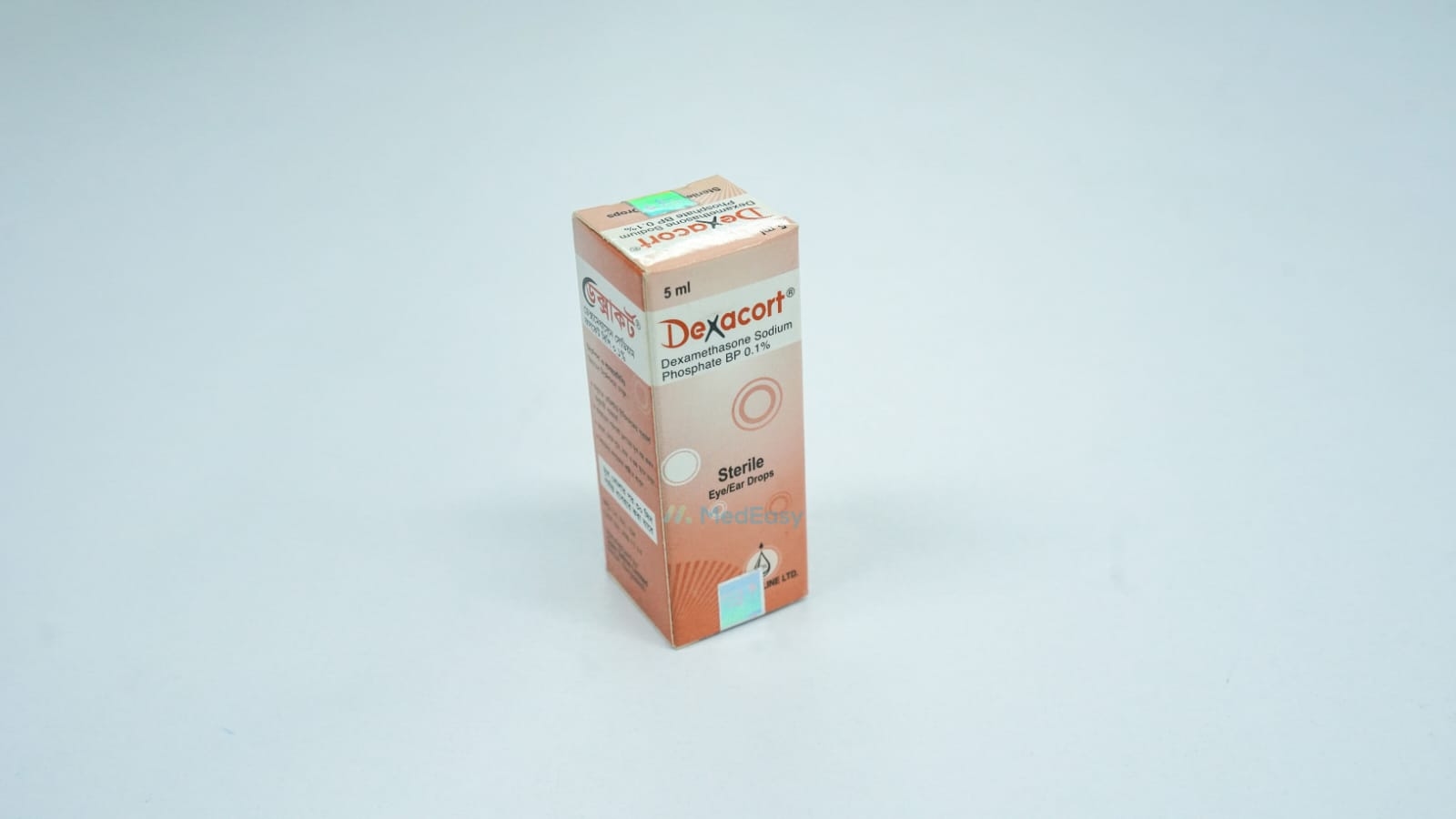
Dexamethasone Sodium Phosphate: Brands, Price & Uses in Bangladesh

Dexamethasone Sodium Phosphate is a water-soluble corticosteroid (glucocorticoid) injection used, per physician direction, for a wide range of conditions.

Forms:Eye/Ear DropTabletIM/IV InjectionOphthalmic Ointment

About Dexamethasone Sodium Phosphate

Indications of Dexamethasone Sodium Phosphate

Dexamethasone Sodium Phosphate is a water-soluble corticosteroid (glucocorticoid) injection used, per physician direction, for a wide range of conditions. Indications are classified below by strength of evidence.

Established / FDA-approved uses

  • Endocrine disorders: primary or secondary adrenocortical insufficiency (used with a mineralocorticoid where applicable), acute adrenal crisis, congenital adrenal hyperplasia
  • Severe allergic conditions: anaphylaxis (as an adjunct, not a substitute for epinephrine), severe drug hypersensitivity reactions, severe allergic rhinitis, serum sickness
  • Rheumatic and collagen-vascular disorders: as adjunctive short-term therapy in rheumatoid arthritis, acute gouty arthritis, ankylosing spondylitis, systemic lupus erythematosus flares, acute rheumatic carditis
  • Severe asthma exacerbations and status asthmaticus (adjunct to bronchodilators)
  • Dermatologic conditions: pemphigus, severe erythema multiforme (Stevens-Johnson syndrome), exfoliative dermatitis, severe psoriasis
  • Cerebral edema (associated with brain tumor, neurosurgery, or head injury)
  • Hematologic disorders: acquired hemolytic anemia, idiopathic thrombocytopenic purpura in adults
  • Ophthalmic inflammatory conditions (severe acute and chronic allergic and inflammatory processes involving the eye)
  • Gastrointestinal disease: to tide a patient over a critical period in ulcerative colitis and regional enteritis
  • Local (intra-articular/soft-tissue/intralesional) injection for inflammatory conditions such as osteoarthritis, bursitis, tenosynovitis, and keloids

Adjunct uses

  • Antiemetic adjunct to prevent chemotherapy-induced nausea and vomiting
  • Cerebral edema associated with malignancy, as an adjunct to definitive treatment

Guideline-supported / off-label use (clearly labeled)

  • Severe COVID-19 in hospitalized patients requiring supplemental oxygen or ventilatory support — this is an off-label, guideline-driven use (e.g., WHO/NIH treatment guidance) rather than an original FDA-approved indication; the oral/IV dexamethasone regimen studied is typically dosed as dexamethasone base, and use of Dexamethasone Sodium Phosphate for this purpose should follow current treatment protocols and physician judgment.

Dexamethasone Sodium Phosphate is not effective against systemic fungal infections and is not an antibiotic.

Dosage & Administration of Dexamethasone Sodium Phosphate

Dosage of Dexamethasone Sodium Phosphate is individualized based on the condition being treated, its severity, and the patient's response, and should always be the lowest dose that achieves the desired clinical effect.

IndicationTypical Adult Dosing
General anti-inflammatory/immunosuppressive therapy0.5-9 mg per day IV or IM, in divided doses, depending on the condition and severity
Cerebral edemaInitial 10 mg IV, then 4 mg IM every 6 hours until symptoms subside, followed by tapering over 5-7 days
Shock (adjunctive, unresponsive shock)1-6 mg/kg as a single IV dose, or up to 40 mg initially, may be repeated per physician judgment
Acute allergic disorders/status asthmaticus4-20 mg IV or IM, then tapered as symptoms improve, usually over 5-7 days
Antiemetic (chemotherapy adjunct)10-20 mg IV as a single dose before chemotherapy, per oncology protocol
Intra-articular/soft tissue (local)Large joints: 2-4 mg; small joints: 0.8-1 mg; soft tissue: 2-6 mg, depending on site

Pediatric dosing

Approximately 0.02-0.3 mg/kg/day (or 0.6-9 mg/m2/day) IV or IM in divided doses, adjusted to the specific disease and response; lower end of the range preferred whenever possible given growth-suppression risk with prolonged use.

Renal/hepatic impairment

No formal fixed dose adjustment is well established, but Dexamethasone Sodium Phosphate should be used cautiously and at the lowest effective dose in patients with hepatic impairment (reduced metabolism may prolong effect) and in those with significant renal impairment (fluid/electrolyte monitoring advised).

Administration

Administer by slow IV injection/infusion, IM injection, or by intra-articular, intralesional, or soft-tissue injection, using strict aseptic technique. Do not administer via the epidural route (associated with serious neurologic events). Prolonged courses should be tapered gradually rather than stopped abruptly (see Precautions and Warnings).

Side Effects of Dexamethasone Sodium Phosphate

Side effects of Dexamethasone Sodium Phosphate are generally related to dose and duration of therapy. Short courses at low doses are usually well tolerated.

  • Common: insomnia, increased appetite, mood changes/nervousness, fluid retention, facial flushing, indigestion, elevated blood glucose
  • Endocrine/metabolic: adrenal suppression, Cushingoid features, hyperglycemia, sodium/fluid retention, hypokalemia
  • Musculoskeletal: muscle weakness/myopathy, osteoporosis, vertebral compression fractures, avascular necrosis of bone (with prolonged use)
  • Gastrointestinal: peptic ulceration (especially with NSAIDs), abdominal distension, pancreatitis (rare)
  • Dermatologic: impaired wound healing, thin fragile skin, bruising, acne
  • Ophthalmic: posterior subcapsular cataracts, increased intraocular pressure/glaucoma (with prolonged use)
  • Psychiatric: mood swings, euphoria, insomnia, and rarely, severe depression or psychotic manifestations
  • Immune: increased susceptibility to and masking of infections
  • Injection-site: pain, atrophy, or hyperpigmentation at repeated local injection sites

Patients should report unusual symptoms promptly; most systemic side effects are more likely with high doses or prolonged therapy rather than short courses.

Contraindications of Dexamethasone Sodium Phosphate

Dexamethasone Sodium Phosphate is contraindicated in:

  • Known hypersensitivity to dexamethasone, dexamethasone sodium phosphate, sulfite excipients, or any component of the formulation
  • Systemic fungal infections
  • Administration of live or live-attenuated vaccines in patients receiving immunosuppressive doses of Dexamethasone Sodium Phosphate
  • Administration by the epidural route

Frequently Asked Questions about Dexamethasone Sodium Phosphate

What is Dexamethasone Sodium Phosphate used for?

Dexamethasone Sodium Phosphate is a corticosteroid injection used to treat a wide range of inflammatory, allergic, and autoimmune conditions, including severe allergic reactions, asthma exacerbations, cerebral edema, certain rheumatic and skin disorders, some blood disorders, and as an adjunct in specific cancer treatments and chemotherapy-induced nausea, always as directed by a physician.

Can Dexamethasone Sodium Phosphate be used for COVID-19?

In hospitalized patients with severe COVID-19 requiring supplemental oxygen or ventilatory support, dexamethasone-based therapy (including Dexamethasone Sodium Phosphate) is used based on treatment guidelines; this is a guideline-supported use rather than a routine indication, and it should only be used under physician supervision following current protocols.

Is Dexamethasone Sodium Phosphate safe during pregnancy?

Dexamethasone Sodium Phosphate should be used during pregnancy only if the potential benefit clearly justifies the potential risk to the fetus, and only under a physician's guidance. It is not considered routinely safe for casual or prolonged use in pregnancy, and any use should be closely supervised by a specialist.

Can I stop Dexamethasone Sodium Phosphate suddenly if I feel better?

No. If you have been receiving Dexamethasone Sodium Phosphate for more than a short period, it must not be stopped abruptly. Sudden discontinuation after prolonged use can cause adrenal insufficiency, a potentially serious condition. Your physician will taper the dose gradually.

What are the common side effects of Dexamethasone Sodium Phosphate?

Common side effects of Dexamethasone Sodium Phosphate include increased appetite, fluid retention, mood changes, insomnia, elevated blood sugar, and, with longer use, increased risk of infection, osteoporosis, muscle weakness, and stomach ulcers (especially if combined with NSAIDs). Most short-course, low-dose use is well tolerated, but you should report any unusual symptoms to your physician.

Who should not receive Dexamethasone Sodium Phosphate?

Dexamethasone Sodium Phosphate should not be given to anyone with a known hypersensitivity to dexamethasone or its components, anyone with an active systemic fungal infection, or anyone due to receive a live vaccine while on immunosuppressive doses of the drug. It should never be given by the epidural route.

Disclaimer

The information provided is accurate to the best of our knowledge, but it does not replace professional medical advice. We cannot guarantee its completeness or accuracy, and the absence of specific information about a drug should not be taken as an endorsement. We are not responsible for any consequences arising from this information, so please consult a healthcare professional for any concerns or questions.
DoctorBlogArticles