Generic medicine

Diclofenac Sodium + Lidocaine Hydrochloride: Brands, Price & Uses in Bangladesh

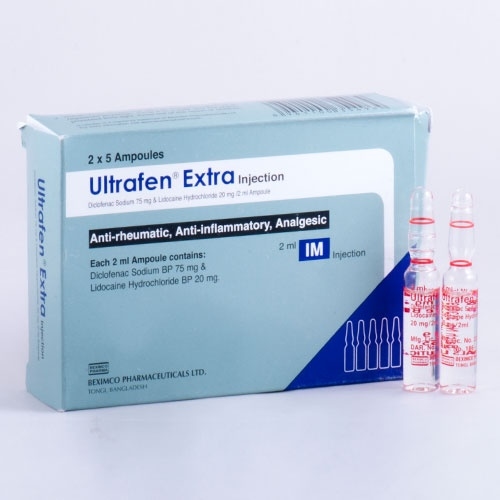
Diclofenac Sodium + Lidocaine Hydrochloride injection is indicated for the short-term relief of acute pain and inflammation in a variety of musculoskeletal and post-traumatic conditions.

Forms:IM Injection

About Diclofenac Sodium + Lidocaine Hydrochloride

Indications of Diclofenac Sodium + Lidocaine Hydrochloride

Diclofenac Sodium + Lidocaine Hydrochloride injection is indicated for the short-term relief of acute pain and inflammation in a variety of musculoskeletal and post-traumatic conditions. Its established and commonly accepted uses include:

Established / Guideline-supported uses

  • Acute exacerbations of rheumatoid arthritis, osteoarthritis, and ankylosing spondylitis
  • Acute musculoskeletal disorders such as periarthritis (frozen shoulder), tendinitis, tenosynovitis, and bursitis
  • Acute low back pain and post-traumatic pain and inflammation following sprains, strains, and fractures
  • Post-operative pain and inflammation
  • Acute gouty arthritis
  • Renal and biliary colic (adjunct analgesic use)

Adjunct / symptomatic use

  • Primary dysmenorrhea (short-term symptomatic relief of pain)

Diclofenac Sodium + Lidocaine Hydrochloride is intended for short-term intramuscular use only; the lidocaine component reduces pain at the injection site but does not extend the duration of analgesia. Long-term management of chronic inflammatory conditions should be continued with an oral or other appropriate formulation of diclofenac as advised by a physician.

Dosage & Administration of Diclofenac Sodium + Lidocaine Hydrochloride

Diclofenac Sodium + Lidocaine Hydrochloride is for deep intramuscular injection into the upper outer quadrant of the gluteal muscle only. It must never be given intravenously. Aspirate before injecting to avoid inadvertent intravascular administration.

IndicationRecommended Dosing
Acute pain and inflammation (adults)One ampoule (75 mg diclofenac / 20 mg lidocaine) once daily by deep IM injection; in severe cases, one ampoule may be repeated after several hours using a separate injection site, up to a maximum of two ampoules per day
Renal or biliary colicOne ampoule; a second ampoule may be given after 30 minutes if pain is not adequately relieved, to a maximum of two ampoules per day
Juvenile chronic arthritis (paediatric)1–3 mg/kg body weight per day of the diclofenac component in divided doses; the intramuscular route is not generally recommended in children — see Use in Special Populations

Treatment with Diclofenac Sodium + Lidocaine Hydrochloride injection should generally not exceed 2 consecutive days; if further therapy is required, treatment should be continued with an oral, rectal, or other suitable formulation of diclofenac under medical supervision.

Side Effects of Diclofenac Sodium + Lidocaine Hydrochloride

Most side effects of Diclofenac Sodium + Lidocaine Hydrochloride are mild and transient, but patients should be aware of the following:

Common

  • Injection-site pain, induration, or discomfort
  • Gastrointestinal discomfort, nausea, dyspepsia, or diarrhoea
  • Headache and dizziness

Less common / serious

  • Gastrointestinal ulceration or bleeding
  • Elevated liver enzymes
  • Fluid retention, oedema, or elevated blood pressure
  • Rare injection-site reactions including local induration, abscess, or tissue necrosis
  • Hypersensitivity reactions (skin rash, itching, rarely anaphylactoid reactions)
  • Cardiovascular thrombotic events such as myocardial infarction or stroke (a recognised class effect of NSAIDs, more likely with prolonged use or in patients with cardiovascular risk factors)
  • Signs of lidocaine systemic effect if absorbed in excess or inadvertently injected intravascularly — light-headedness, perioral numbness, tinnitus, blurred vision, tremor; rarely seizures or cardiac arrhythmia (see Precautions and Warnings)

Contraindications of Diclofenac Sodium + Lidocaine Hydrochloride

Diclofenac Sodium + Lidocaine Hydrochloride is contraindicated in the following situations:

  • Known hypersensitivity to diclofenac, lidocaine, other amide-type local anaesthetics, or any excipient of the product
  • Known hypersensitivity to aspirin or other NSAIDs, including patients in whom attacks of asthma, urticaria, or acute rhinitis have been precipitated by these agents
  • Active or history of recurrent peptic ulceration, gastrointestinal bleeding, or perforation
  • Severe hepatic failure
  • Severe heart failure
  • Severe, uncontrolled cardiac conduction disturbances (e.g., high-grade heart block) without a pacemaker, due to the lidocaine component
  • Third trimester of pregnancy
  • Perioperative pain in the setting of coronary artery bypass graft (CABG) surgery

Frequently Asked Questions about Diclofenac Sodium + Lidocaine Hydrochloride

What is Diclofenac Sodium + Lidocaine Hydrochloride injection used for?

Diclofenac Sodium + Lidocaine Hydrochloride injection is used for the short-term relief of moderate to severe acute pain and inflammation, such as that caused by arthritis flare-ups, musculoskeletal injuries, sprains, fractures, post-operative pain, renal or biliary colic, and acute gout. It is given as a deep intramuscular injection, usually for no more than 2 consecutive days.

Why does Diclofenac Sodium + Lidocaine Hydrochloride contain lidocaine?

The lidocaine hydrochloride in Diclofenac Sodium + Lidocaine Hydrochloride is a local anaesthetic added purely to reduce the pain and discomfort of the intramuscular injection itself. It does not add to or extend the pain-relieving effect of the diclofenac component, which is the main therapeutic ingredient.

Can Diclofenac Sodium + Lidocaine Hydrochloride be given intravenously?

No. Diclofenac Sodium + Lidocaine Hydrochloride must only be given by deep intramuscular injection into the buttock muscle by a trained healthcare professional. It must never be injected intravenously, as this can cause serious systemic toxicity from the lidocaine component, including dizziness, seizures, and dangerous heart rhythm disturbances.

Is Diclofenac Sodium + Lidocaine Hydrochloride safe to use during pregnancy?

Diclofenac Sodium + Lidocaine Hydrochloride is contraindicated in the third trimester of pregnancy because the diclofenac component can affect the baby's heart circulation and reduce amniotic fluid. In earlier pregnancy it should be avoided unless clearly necessary and only used if a physician determines the benefit outweighs the potential risk to the baby. Always consult your doctor before use if you are pregnant or planning pregnancy.

How long can I use Diclofenac Sodium + Lidocaine Hydrochloride injection?

Diclofenac Sodium + Lidocaine Hydrochloride injection is intended for short-term use only, generally not more than 2 consecutive days. If you need continued pain or anti-inflammatory treatment after that, your doctor will usually switch you to an oral or other formulation of diclofenac.

What are the main risks of Diclofenac Sodium + Lidocaine Hydrochloride?

As an NSAID-containing product, Diclofenac Sodium + Lidocaine Hydrochloride carries a risk of gastrointestinal irritation, ulceration, or bleeding, and a small increased risk of cardiovascular events such as heart attack or stroke, especially with repeated or prolonged use. The lidocaine component can rarely cause systemic toxicity (dizziness, seizures, abnormal heart rhythm) if accidentally injected into a blood vessel. Tell your doctor about any history of stomach ulcers, heart disease, kidney or liver problems, or allergies before receiving this injection.

Disclaimer

The information provided is accurate to the best of our knowledge, but it does not replace professional medical advice. We cannot guarantee its completeness or accuracy, and the absence of specific information about a drug should not be taken as an endorsement. We are not responsible for any consequences arising from this information, so please consult a healthcare professional for any concerns or questions.
DoctorBlogArticles