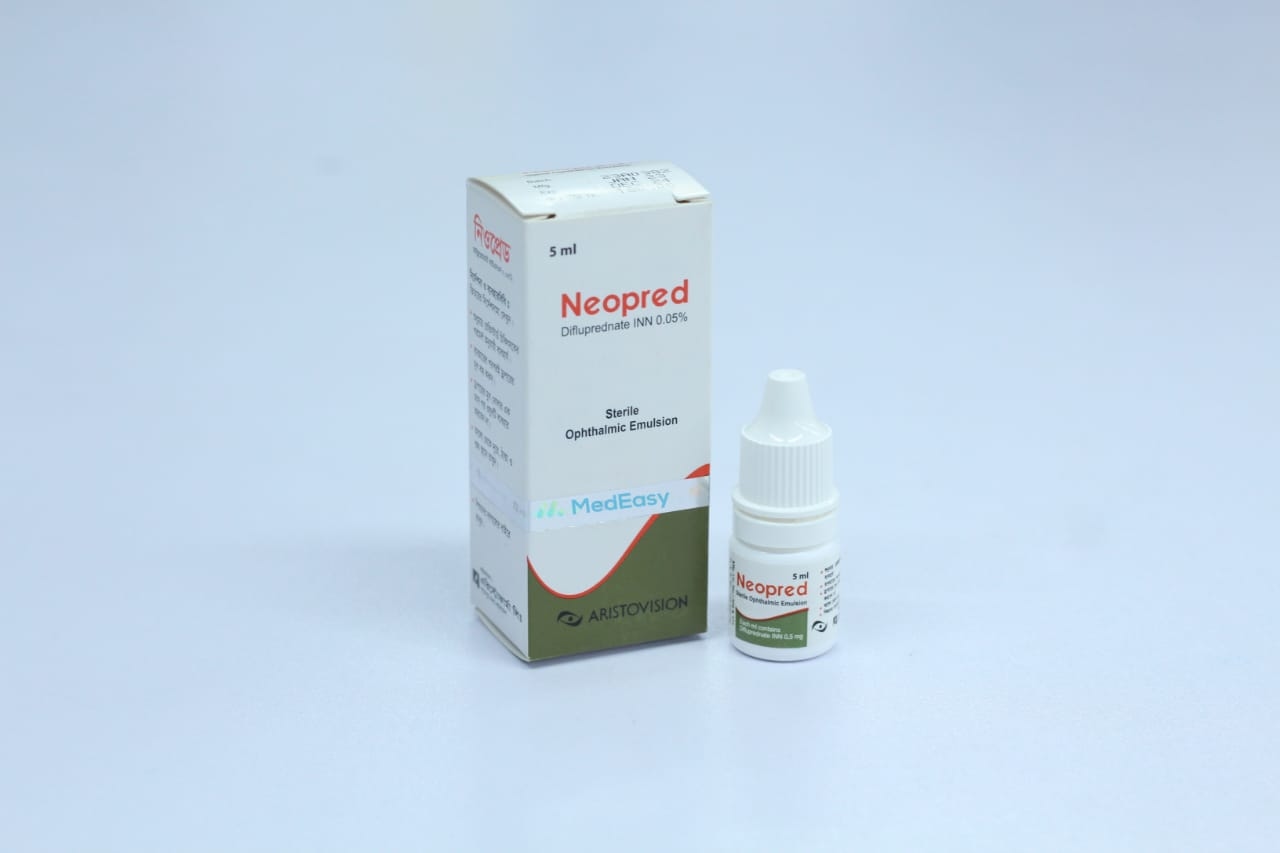
Generic medicine

Difluprednate: Brands, Price & Uses in Bangladesh

Difluprednate is a potent topical corticosteroid ophthalmic emulsion indicated for: Treatment of inflammation and pain associated with ocular surgery (FDA-approved and more.

Forms:Ophthalmic Solution

About Difluprednate

Indications of Difluprednate

Difluprednate is a potent topical corticosteroid ophthalmic emulsion indicated for:

  • Treatment of inflammation and pain associated with ocular surgery (FDA-approved, established use) - used post-operatively (e.g., after cataract surgery) to control surgically induced inflammation and pain.
  • Treatment of endogenous anterior uveitis (FDA-approved, established use) - a non-infectious inflammatory condition of the iris and anterior chamber of the eye.

Difluprednate is not indicated for infectious causes of ocular inflammation unless used together with an appropriate anti-infective agent, and it is not intended for self-directed long-term use outside a physician's supervision.

Dosage & Administration of Difluprednate

IndicationDosage
Post-operative ocular inflammation/painInstill one drop into the conjunctival sac of the affected eye four times daily beginning 24 hours after surgery and continuing for the first 2 weeks post-surgery, followed by two times daily for a week, then taper based on clinical response.
Endogenous anterior uveitisInstill one drop into the conjunctival sac of the affected eye four times daily for 14 days, followed by tapering as clinically indicated.

Shake well before use. Invert the closed bottle and shake once before each use. Avoid contaminating the tip of the applicator with any surface. If other topical ophthalmic medications are being used, allow at least 5 minutes between applications. Treatment duration and tapering must be individualized by the prescribing ophthalmologist; do not stop or extend use without medical advice given the risk of rebound inflammation and steroid-related ocular complications.

Side Effects of Difluprednate

The most common adverse reactions reported with Difluprednate include:

  • Eye pain
  • Blurred vision
  • Photophobia (light sensitivity)
  • Elevated intraocular pressure
  • Conjunctival hyperemia and edema
  • Corneal edema
  • Posterior capsule opacification/cataract
  • Anterior chamber inflammation or cells
  • Blepharitis and eye irritation
  • Headache (less commonly)

Serious but less common effects include glaucoma, secondary ocular infection, delayed wound healing, and (rarely) corneal or scleral perforation in predisposed eyes - see Precautions and Warnings.

Contraindications of Difluprednate

Difluprednate is contraindicated in patients with:

  • Most viral diseases of the cornea and conjunctiva, including epithelial herpes simplex keratitis (dendritic keratitis), vaccinia, and varicella.
  • Mycobacterial infection of the eye.
  • Fungal diseases of ocular structures.
  • Known hypersensitivity to Difluprednate or any component of the formulation.

Frequently Asked Questions about Difluprednate

What is Difluprednate used for?

Difluprednate is a potent topical corticosteroid eye drop used to treat inflammation and pain after eye surgery and to treat endogenous anterior uveitis (inflammation inside the eye).

How often should I use Difluprednate eye drops?

The typical starting dose is one drop in the affected eye four times daily, but your ophthalmologist will give you a specific schedule and taper the dose over time; do not change the frequency on your own.

Can Difluprednate raise eye pressure or cause glaucoma?

Yes, prolonged use of Difluprednate, especially beyond 10 days, can increase intraocular pressure and lead to glaucoma in susceptible individuals, so your eye pressure should be checked periodically during treatment.

Is Difluprednate safe to use during pregnancy or breastfeeding?

There is limited data on Difluprednate use in pregnant or breastfeeding women. Because systemic absorption from eye drops is minimal, risk is expected to be low, but Difluprednate should be used only if your physician determines the benefit outweighs the potential risk, so always consult your doctor first.

Can children use Difluprednate?

Difluprednate has not been fully established as safe and effective in children through large studies, though limited use in infants and toddlers has shown results comparable to other steroid eye drops. It should only be used in children under close specialist supervision.

What should I do if I accidentally use too much Difluprednate or swallow it?

If excessive amounts are instilled in the eye or the medicine is accidentally swallowed, rinse the eye gently with clean water if applicable and seek immediate medical attention or contact a poison control center rather than treating it at home.

Disclaimer

The information provided is accurate to the best of our knowledge, but it does not replace professional medical advice. We cannot guarantee its completeness or accuracy, and the absence of specific information about a drug should not be taken as an endorsement. We are not responsible for any consequences arising from this information, so please consult a healthcare professional for any concerns or questions.

DoctorBlogArticles