
Generic medicine

Diphenhydramine Hydrochloride + Zinc Acetate: Brands, Price & Uses in Bangladesh

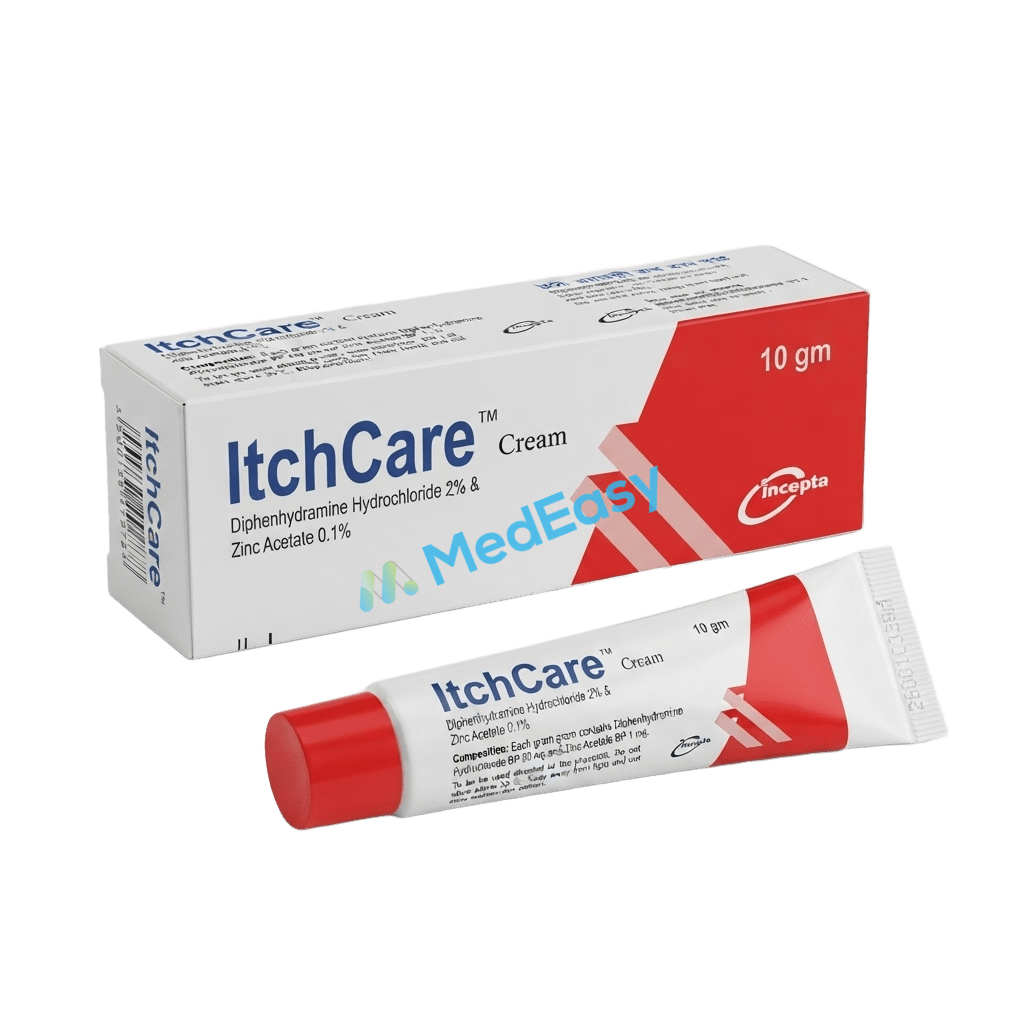
Diphenhydramine Hydrochloride + Zinc Acetate is a topical over-the-counter (OTC) combination indicated for the temporary relief of itching and minor skin irritation caused by: Insect bites and…

Forms:Cream

About Diphenhydramine Hydrochloride + Zinc Acetate

Indications of Diphenhydramine Hydrochloride + Zinc Acetate

Diphenhydramine Hydrochloride + Zinc Acetate is a topical over-the-counter (OTC) combination indicated for the temporary relief of itching and minor skin irritation caused by:

  • Insect bites and stings
  • Minor cuts, scrapes, and burns
  • Poison ivy, poison oak, and poison sumac
  • Minor skin irritations, rashes, and hives (urticaria) not caused by a serious underlying condition

Diphenhydramine Hydrochloride + Zinc Acetate is intended for short-term, external use only and is not a treatment for the underlying cause of a rash or skin condition.

Dosage & Administration of Diphenhydramine Hydrochloride + Zinc Acetate

Diphenhydramine Hydrochloride + Zinc Acetate is for external (topical) use only.

Age GroupDirections
Adults and children 12 years and olderApply a thin layer to the affected area not more than 3 to 4 times daily.
Children 2 to under 12 yearsApply a thin layer to the affected area not more than 3 times daily, under adult supervision.
Children under 2 yearsDo not use unless directed by a physician.

Do not use Diphenhydramine Hydrochloride + Zinc Acetate for longer than 7 days for the same condition unless directed by a physician. If symptoms persist or worsen, discontinue use and consult a doctor.

Side Effects of Diphenhydramine Hydrochloride + Zinc Acetate

When used topically as directed, Diphenhydramine Hydrochloride + Zinc Acetate is generally well tolerated. Reported side effects include:

  • Local application-site reactions: mild burning, stinging, dryness, or irritation at the site of application.
  • Allergic contact dermatitis or rash with prolonged or repeated use.

If enough diphenhydramine is absorbed systemically (e.g., with use over large areas, broken skin, or in young children), anticholinergic-type effects may occur, including drowsiness, dry mouth, blurred vision, or dizziness. Discontinue use and seek medical advice if a rash spreads, blistering occurs, or symptoms worsen.

Contraindications of Diphenhydramine Hydrochloride + Zinc Acetate

Diphenhydramine Hydrochloride + Zinc Acetate is contraindicated in:

  • Patients with known hypersensitivity to diphenhydramine, zinc acetate, other antihistamines of similar structure, or any component of the formulation.

There are no other well-established absolute contraindications to appropriate topical use of Diphenhydramine Hydrochloride + Zinc Acetate; however, see Precautions and Warnings for situations requiring caution or physician consultation before use.

Frequently Asked Questions about Diphenhydramine Hydrochloride + Zinc Acetate

What is Diphenhydramine Hydrochloride + Zinc Acetate used for?

Diphenhydramine Hydrochloride + Zinc Acetate is a topical medicine used for the temporary relief of itching and minor skin irritation caused by insect bites, minor cuts and scrapes, poison ivy/oak/sumac, and other minor skin irritations.

How should I apply Diphenhydramine Hydrochloride + Zinc Acetate?

Apply a thin layer of Diphenhydramine Hydrochloride + Zinc Acetate to the affected area up to 3 to 4 times daily (adults and children 12 years and older), avoiding contact with the eyes and mucous membranes. Do not use for more than 7 days for the same condition unless a doctor advises otherwise.

Can children use Diphenhydramine Hydrochloride + Zinc Acetate?

Children 2 to 12 years may use Diphenhydramine Hydrochloride + Zinc Acetate under adult supervision on a small area. It should not be used in children under 2 years unless a physician directs it, because of a higher risk of side effects.

Is Diphenhydramine Hydrochloride + Zinc Acetate safe during pregnancy or breastfeeding?

There is limited data on topical Diphenhydramine Hydrochloride + Zinc Acetate in pregnancy or breastfeeding. It should be used only if clearly needed, on the smallest area for the shortest time, and after consulting a physician.

What side effects can Diphenhydramine Hydrochloride + Zinc Acetate cause?

Diphenhydramine Hydrochloride + Zinc Acetate may cause mild burning, stinging, or dryness at the application site. If used over large areas or in young children, it may be absorbed into the body and cause drowsiness, dry mouth, or blurred vision. Discontinue use and seek medical advice if these occur or if the rash spreads.

What should I do if Diphenhydramine Hydrochloride + Zinc Acetate is swallowed accidentally?

If Diphenhydramine Hydrochloride + Zinc Acetate is swallowed, seek immediate medical attention or contact a poison control center right away, as accidental ingestion can cause serious anticholinergic toxicity, especially in children.

Disclaimer

The information provided is accurate to the best of our knowledge, but it does not replace professional medical advice. We cannot guarantee its completeness or accuracy, and the absence of specific information about a drug should not be taken as an endorsement. We are not responsible for any consequences arising from this information, so please consult a healthcare professional for any concerns or questions.
DoctorBlogArticles