
Generic medicine

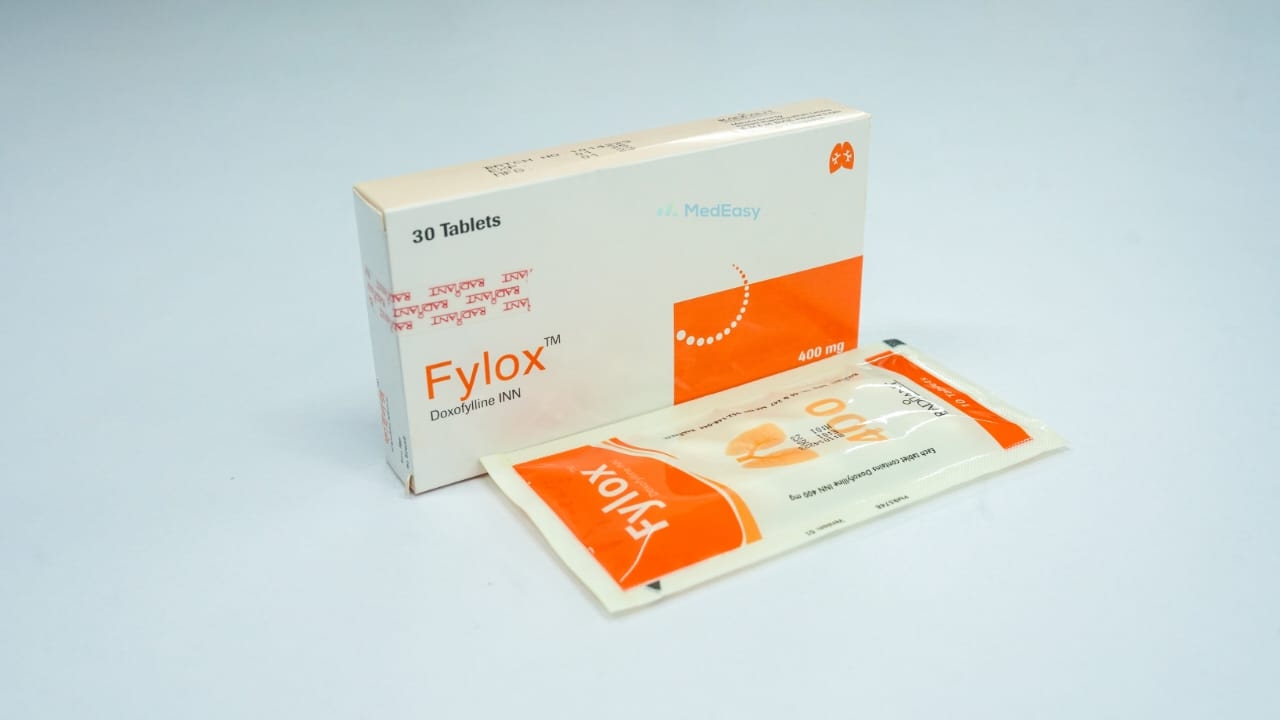
Doxophylline: Brands, Price & Uses in Bangladesh

Established use Doxophylline is indicated for the symptomatic maintenance treatment of reversible airway obstruction associated with: Bronchial asthma (chronic/persistent asthma) Chronic obstructive…

Forms:TabletSyrup

About Doxophylline

Indications of Doxophylline

Established use

Doxophylline is indicated for the symptomatic maintenance treatment of reversible airway obstruction associated with:

  • Bronchial asthma (chronic/persistent asthma)
  • Chronic obstructive pulmonary disease (COPD)
  • Chronic bronchitis and other pulmonary disease with a spastic bronchial component

Adjunct / lower-evidence use

Doxophylline has also been used in some markets as an adjunct in bronchiectasis with reversible airway obstruction; this use has a lower strength of evidence than its role in asthma and COPD.

Doxophylline is a maintenance bronchodilator for chronic, reversible airway disease; it is not intended for relief of acute bronchospasm or status asthmaticus, for which fast-acting rescue bronchodilators are preferred.

Dosage & Administration of Doxophylline

Dosage of Doxophylline should be individualized by age, hepatic function, and clinical response. Typical dosing is summarized below; always follow the prescribing physician's instructions.

Age / GroupFormulationTypical Dose
AdultsTablet (400 mg)400 mg two to three times daily
Elderly / hepatic or cardiac impairmentTablet (200 mg)200 mg two to three times daily (reduced dose, see Use in Special Populations)
Adults (once-daily option)Sustained-release (SR) tablet (400 mg)400 mg once daily, if the total daily requirement is 400 mg
Children over 12 yearsTablet (200 mg) or syrup200 mg, or 10 mL syrup, two to three times daily
Children 6-12 yearsSyrup6-9 mg/kg body weight twice daily (weight-based; adjusted to actual product strength)

For adults and children, Doxophylline is generally taken with or after food to reduce gastrointestinal upset. Sustained-release tablets of Doxophylline must be swallowed whole and must not be crushed or chewed. The dose of Doxophylline should be adjusted, and blood level monitoring considered where feasible, in patients with factors known to affect its hepatic clearance.

Side Effects of Doxophylline

Common

  • Nausea, vomiting, epigastric pain
  • Headache
  • Insomnia, irritability, restlessness

Less common

  • Tachycardia, palpitations, extrasystoles
  • Tachypnea

Rare

  • Hyperglycemia
  • Albuminuria
  • Hypersensitivity reactions (e.g. skin rash)

Patients should seek medical attention if severe palpitations, chest pain, seizures, or signs of a severe allergic reaction occur while taking Doxophylline.

Contraindications of Doxophylline

Doxophylline is contraindicated in:

  • Patients with known hypersensitivity to Doxophylline or to other xanthine derivatives (e.g. theophylline, aminophylline).
  • Patients with acute myocardial infarction.

Other conditions sometimes mentioned in relation to Doxophylline, such as uncontrolled seizure disorders, hyperthyroidism, or significant hypotension, warrant caution rather than being absolute contraindications and are addressed under Precautions and Warnings.

Frequently Asked Questions about Doxophylline

What is Doxophylline used for?

Doxophylline is a xanthine-derivative bronchodilator used for the long-term maintenance treatment of reversible airway obstruction in chronic asthma and chronic obstructive pulmonary disease (COPD). It is not intended for immediate relief of a sudden asthma attack.

Is Doxophylline the same as theophylline?

No. Doxophylline is chemically related to theophylline but has a different side chain that gives it much lower affinity for adenosine receptors, which is associated with fewer cardiac and central nervous system side effects than theophylline in some studies. Even so, Doxophylline and theophylline should not be used together because their effects and toxicities can add up.

Can Doxophylline be taken during pregnancy or while breastfeeding?

Doxophylline should be used in pregnancy only if a physician determines it is clearly needed and the benefit outweighs any potential risk to the fetus, as safety data in pregnant women are limited. Doxophylline is generally considered contraindicated during breastfeeding because xanthine derivatives can pass into breast milk; a physician should be consulted for an alternative if breastfeeding.

What should I avoid while taking Doxophylline?

While taking Doxophylline, avoid other xanthine-containing medicines (such as theophylline or aminophylline) and limit caffeine-containing foods and beverages, as both can add to xanthine-related side effects such as palpitations, tremor, and insomnia. Tell your physician about all other medicines you take, since several drugs can raise or lower blood levels of Doxophylline (see Interaction).

What are the warning signs of a Doxophylline overdose?

Signs of Doxophylline overdose can include severe palpitations or irregular heartbeat, persistent vomiting, marked agitation, and seizures. If an overdose of Doxophylline is suspected, seek emergency medical care or contact a poison control center immediately rather than trying to manage it at home.

Can children take Doxophylline?

Doxophylline syrup can be used in children over 6 years at a weight-based dose prescribed by a pediatrician; safety and efficacy in children under 6 years have not been well established, so Doxophylline is generally not used in this age group unless specifically directed by a physician.

Disclaimer

The information provided is accurate to the best of our knowledge, but it does not replace professional medical advice. We cannot guarantee its completeness or accuracy, and the absence of specific information about a drug should not be taken as an endorsement. We are not responsible for any consequences arising from this information, so please consult a healthcare professional for any concerns or questions.
DoctorBlogArticles