Generic medicine

Empagliflozin + Linagliptin: Brands, Price & Uses in Bangladesh

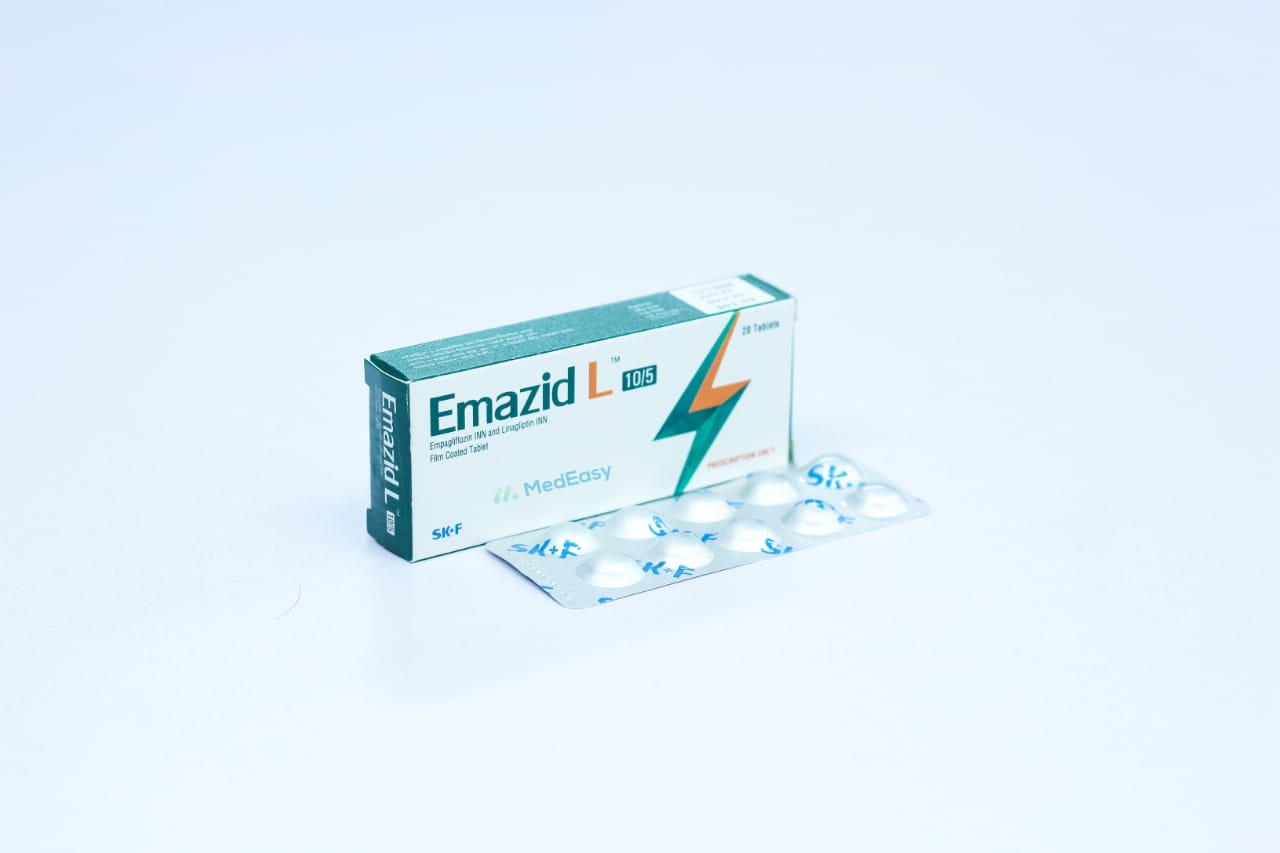
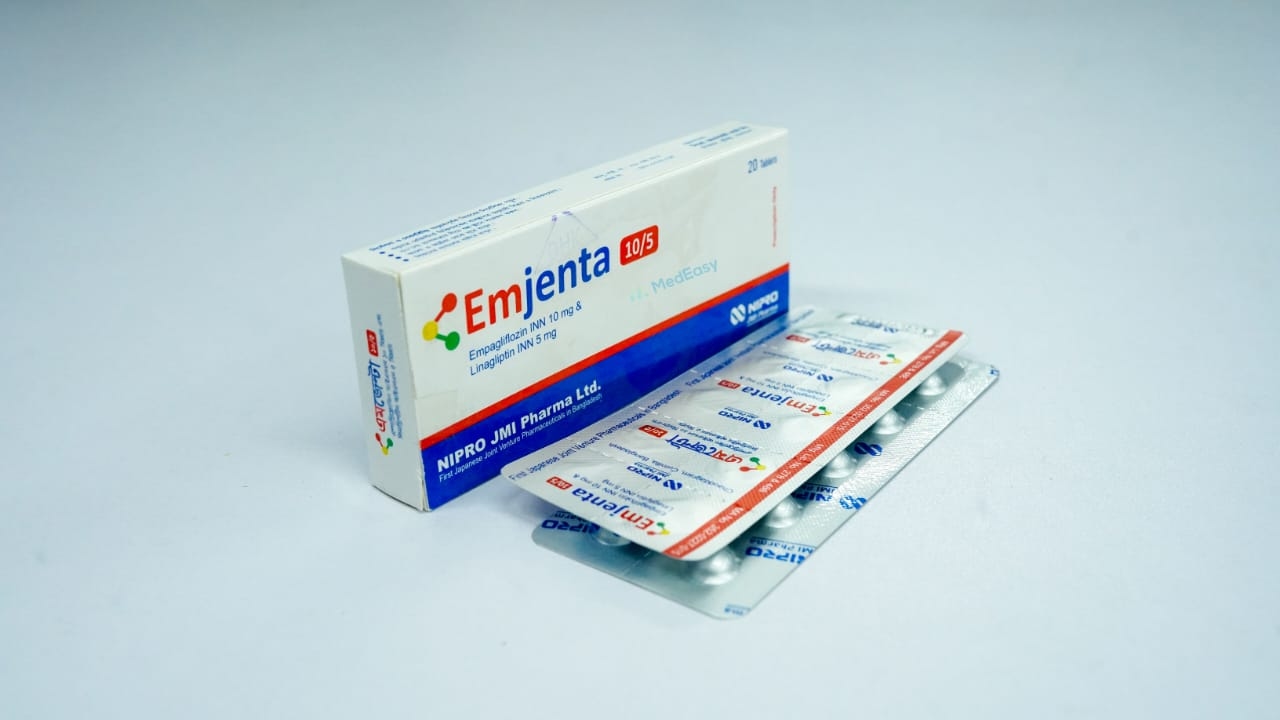
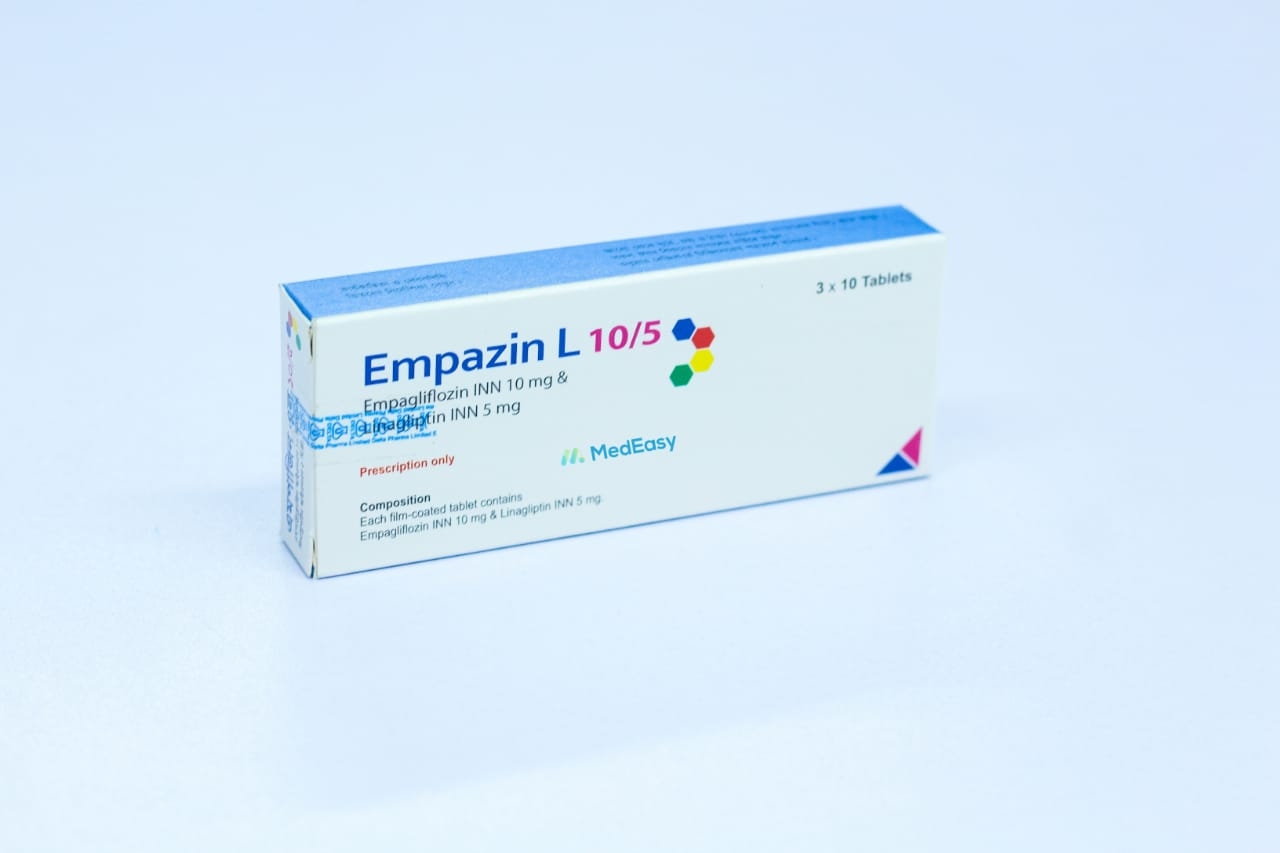
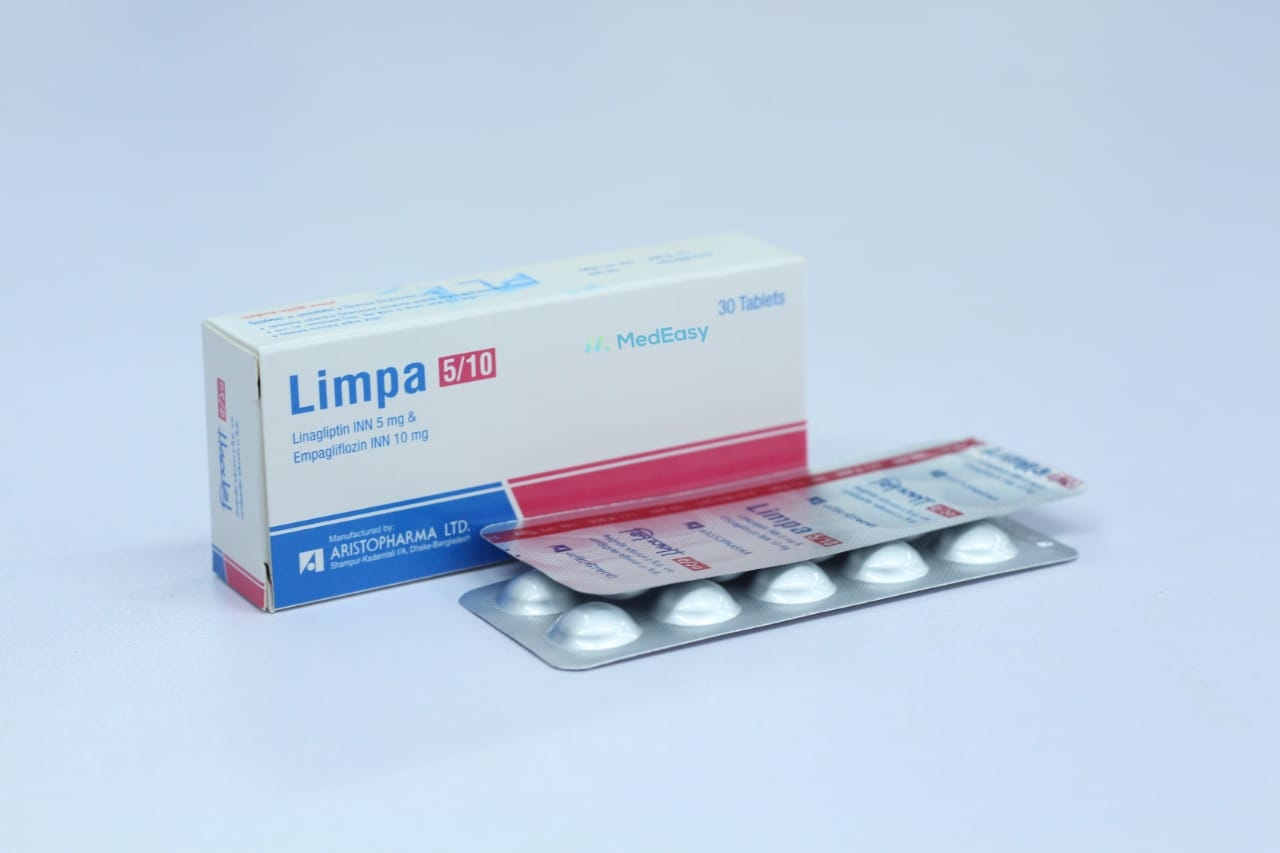
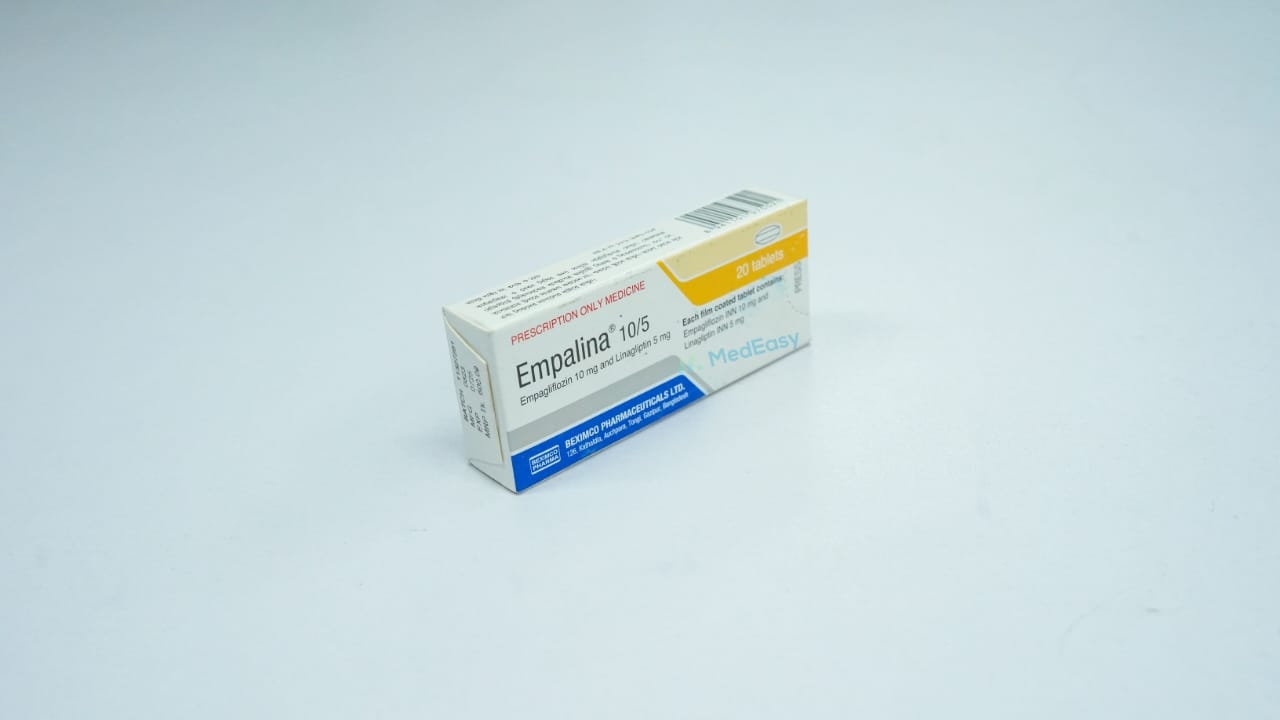
Empagliflozin + Linagliptin is a fixed-dose combination of an SGLT2 inhibitor (empagliflozin) and a DPP-4 inhibitor (linagliptin) and more.

Forms:Tablet

About Empagliflozin + Linagliptin

Indications of Empagliflozin + Linagliptin

Empagliflozin + Linagliptin is a fixed-dose combination of an SGLT2 inhibitor (empagliflozin) and a DPP-4 inhibitor (linagliptin), indicated as follows:

Established / FDA-approved use

  • As an adjunct to diet and exercise to improve glycemic control in adults with type 2 diabetes mellitus, when treatment with both empagliflozin and linagliptin is appropriate.

Not appropriate uses

  • Not indicated for type 1 diabetes mellitus (may increase risk of diabetic ketoacidosis in this population).
  • Not indicated for treatment of diabetic ketoacidosis.
  • Not recommended in patients with a history of pancreatitis or severe renal impairment.

Empagliflozin + Linagliptin is not a substitute for insulin in insulin-requiring patients and is used only under medical supervision as part of an overall diabetes management plan.

Dosage & Administration of Empagliflozin + Linagliptin

Adult dose (type 2 diabetes mellitus)

ScenarioRecommended dose
Usual starting doseEmpagliflozin 10 mg / Linagliptin 5 mg once daily, taken in the morning, with or without food
If additional glycemic control needed and toleratedMay increase to Empagliflozin 25 mg / Linagliptin 5 mg once daily

Renal impairment

  • Assess renal function before starting Empagliflozin + Linagliptin and periodically thereafter.
  • Not recommended to initiate in patients with eGFR persistently below 45 mL/min/1.73m².
  • Discontinue if eGFR falls persistently below 45 mL/min/1.73m² during treatment.
  • Contraindicated in severe renal impairment, end-stage renal disease, or dialysis.

Hepatic impairment

No dose adjustment is required for mild to moderate hepatic impairment; data are limited in severe hepatic impairment, so use with caution and clinical monitoring.

Pediatric dose

Safety and efficacy in patients under 18 years have not been established; Empagliflozin + Linagliptin is not recommended for pediatric use.

Perioperative use

Withhold Empagliflozin + Linagliptin for at least 3 days before scheduled surgery or procedures involving prolonged fasting, due to the risk of ketoacidosis; resume once oral intake is stable and clinically appropriate.

Side Effects of Empagliflozin + Linagliptin

Adverse effects reported with Empagliflozin + Linagliptin include:

Common

  • Urinary tract infections
  • Nasopharyngitis and upper respiratory tract infection
  • Genital mycotic (yeast) infections, more common in females
  • Increased urination

Serious (see Precautions and Warnings for detail)

  • Diabetic ketoacidosis (can occur even with near-normal blood glucose)
  • Fournier's gangrene (necrotizing infection of the genital/perineal area)
  • Acute pancreatitis
  • Volume depletion, hypotension, and acute kidney injury
  • Hypoglycemia (mainly when combined with insulin or a sulfonylurea)
  • Severe and disabling joint pain (arthralgia)
  • Bullous pemphigoid (blistering skin reaction)
  • Hypersensitivity reactions, including angioedema and anaphylaxis

Contraindications of Empagliflozin + Linagliptin

Empagliflozin + Linagliptin is contraindicated in:

  • Patients with a history of serious hypersensitivity reaction (e.g., anaphylaxis, angioedema, exfoliative skin conditions) to empagliflozin, linagliptin, or any component of the formulation.
  • Patients with severe renal impairment, end-stage renal disease, or those on dialysis.

Frequently Asked Questions about Empagliflozin + Linagliptin

What is Empagliflozin + Linagliptin used for?

Empagliflozin + Linagliptin is used, along with diet and exercise, to improve blood glucose control in adults with type 2 diabetes mellitus. It combines two medicines that lower blood sugar through different, complementary mechanisms.

How should I take Empagliflozin + Linagliptin?

Take Empagliflozin + Linagliptin once daily in the morning, with or without food, swallowing the tablet whole with water. Take it at the same time each day. Do not change your dose without consulting your physician.

What are the most serious risks with Empagliflozin + Linagliptin?

The most serious risks with Empagliflozin + Linagliptin include diabetic ketoacidosis (which can occur even when blood sugar is only mildly elevated), a rare but serious infection called Fournier's gangrene affecting the genital area, acute pancreatitis, dehydration/low blood pressure, and an increased risk of lower-limb infections or amputation associated with the SGLT2 inhibitor component. Seek immediate medical attention if you develop nausea, vomiting, abdominal pain, genital pain or swelling, or unusual fatigue.

Can Empagliflozin + Linagliptin cause low blood sugar (hypoglycemia)?

On its own, Empagliflozin + Linagliptin has a low risk of causing hypoglycemia. However, the risk increases significantly if it is combined with insulin or a sulfonylurea; your doctor may reduce the dose of those other medicines.

Can I take Empagliflozin + Linagliptin during pregnancy or while breastfeeding?

Empagliflozin + Linagliptin is not recommended during the second and third trimesters of pregnancy or during breastfeeding, due to potential effects on the developing kidneys. If you are pregnant, planning pregnancy, or breastfeeding, consult your physician, who will weigh the potential benefits and risks and may recommend an alternative treatment.

Do I need to stop Empagliflozin + Linagliptin before surgery?

Yes. Empagliflozin + Linagliptin should generally be withheld for at least 3 days before scheduled surgery or any procedure involving prolonged fasting, because of an increased risk of ketoacidosis. Always follow your surgeon's and physician's specific instructions.

Disclaimer

The information provided is accurate to the best of our knowledge, but it does not replace professional medical advice. We cannot guarantee its completeness or accuracy, and the absence of specific information about a drug should not be taken as an endorsement. We are not responsible for any consequences arising from this information, so please consult a healthcare professional for any concerns or questions.
DoctorBlogArticles