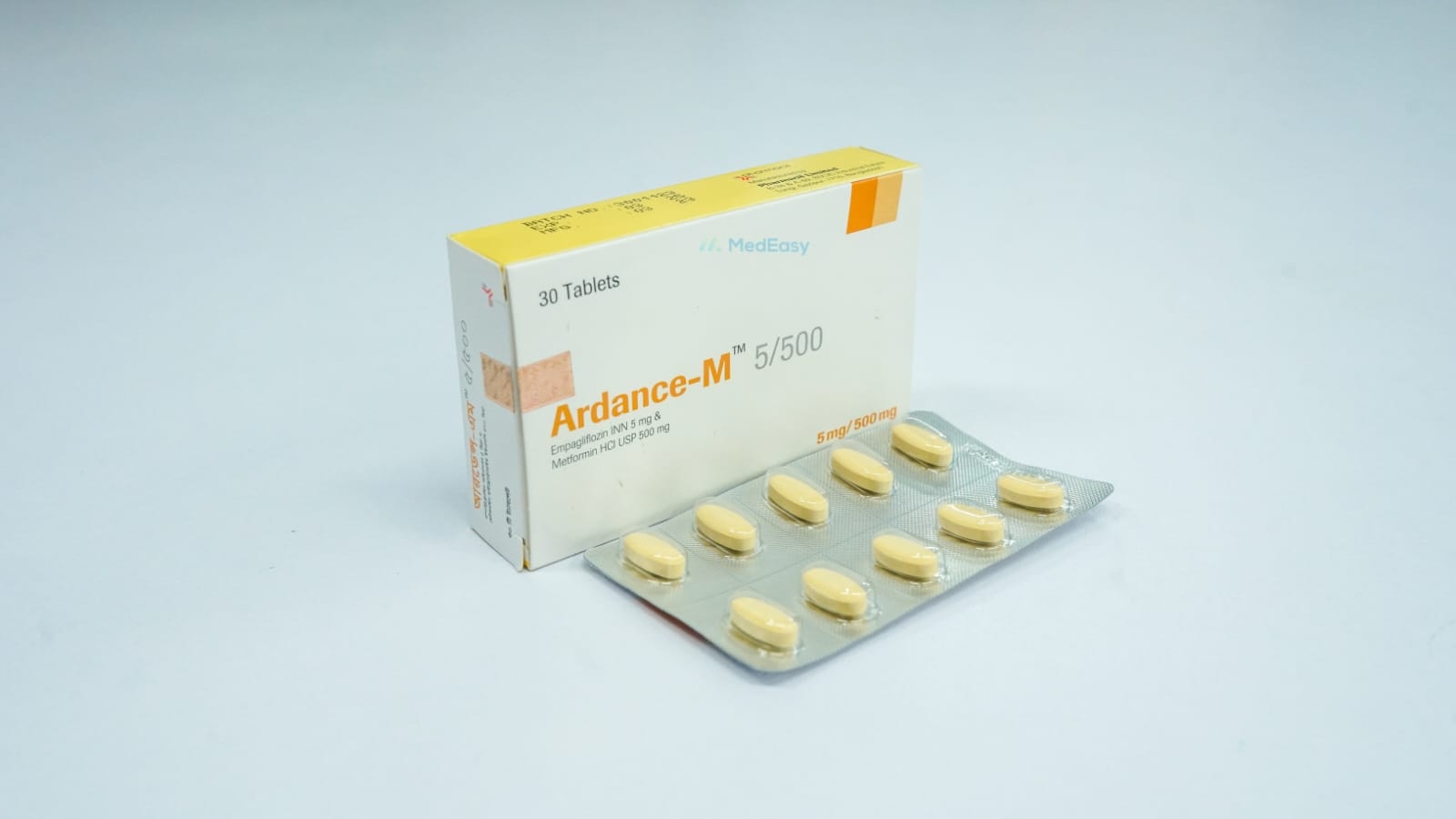
Generic medicine

Empagliflozin + Metformin Hydrochloride: Brands, Price & Uses in Bangladesh

Empagliflozin + Metformin Hydrochloride is indicated as an adjunct to diet and exercise to improve glycemic control in adults with type 2 diabetes mellitus and more.

Forms:Tablet

About Empagliflozin + Metformin Hydrochloride

Indications of Empagliflozin + Metformin Hydrochloride

Empagliflozin + Metformin Hydrochloride is indicated as an adjunct to diet and exercise to improve glycemic control in adults with type 2 diabetes mellitus, in patients who are:

  • Not adequately controlled on metformin monotherapy alone
  • Not adequately controlled on empagliflozin monotherapy alone
  • Already being treated with the individual components of empagliflozin and metformin hydrochloride taken separately
  • Requiring add-on therapy to other antidiabetic agents (e.g., insulin, sulfonylureas) under medical supervision

Some evidence for cardiovascular risk reduction (reduced cardiovascular death in patients with established cardiovascular disease) and renoprotective benefit (slower decline in kidney function/reduced progression of chronic kidney disease) has been demonstrated specifically for the empagliflozin component in dedicated outcome trials; this fixed-dose combination itself has not been separately studied for these outcomes, and any such benefit should be discussed with a physician on an individual basis.

Empagliflozin + Metformin Hydrochloride is not indicated for type 1 diabetes mellitus or diabetic ketoacidosis.

Dosage & Administration of Empagliflozin + Metformin Hydrochloride

The dose of Empagliflozin + Metformin Hydrochloride must be individualized based on the patient's current antidiabetic regimen, glycemic response, renal function, and tolerability. Baseline renal function (eGFR) should be assessed before starting therapy and monitored periodically thereafter. See the separate dosage and administration fields below for detailed titration schedules and intake instructions.

Side Effects of Empagliflozin + Metformin Hydrochloride

Side effects of Empagliflozin + Metformin Hydrochloride reflect both component drugs:

  • Very common/common: Gastrointestinal disturbances (diarrhea, nausea, vomiting, flatulence, abdominal discomfort, indigestion), urinary tract infection, female genital mycotic (yeast) infection, increased urination
  • Common: Male genital mycotic infection, thirst, taste disturbance
  • Uncommon: Volume depletion, hypotension, increased blood creatinine/decreased eGFR, hematocrit elevation
  • Rare/serious (see precautions_and_warnings for detail): Lactic acidosis, diabetic ketoacidosis (including euglycemic DKA), necrotizing fasciitis of the perineum (Fournier's gangrene), acute kidney injury, vitamin B12 deficiency with long-term use, hypersensitivity reactions (including angioedema), hypoglycemia when combined with insulin or sulfonylureas

Patients should seek prompt medical attention for any serious or persistent side effect. See precautions_and_warnings for detailed guidance on warning signs.

Contraindications of Empagliflozin + Metformin Hydrochloride

Empagliflozin + Metformin Hydrochloride is contraindicated in:

  • Severe renal impairment (eGFR below 30 mL/min/1.73 m²) or end-stage renal disease, due to increased risk of metformin-associated lactic acidosis
  • Acute or chronic metabolic acidosis, including diabetic ketoacidosis (with or without coma)
  • Known hypersensitivity to empagliflozin, metformin hydrochloride, or any excipient of the product

Frequently Asked Questions about Empagliflozin + Metformin Hydrochloride

What is Empagliflozin + Metformin Hydrochloride used for?

It is used, together with diet and exercise, to improve blood sugar control in adults with type 2 diabetes mellitus.

How should I take Empagliflozin + Metformin Hydrochloride?

It is usually taken twice daily with meals to reduce stomach upset. Follow your physician's exact instructions and never change your dose on your own.

Can I take Empagliflozin + Metformin Hydrochloride if I have kidney problems?

It depends on how severe your kidney impairment is. It is contraindicated in severe renal impairment and must be used cautiously, with close monitoring, in moderate renal impairment. Your doctor will check your kidney function (eGFR) before and during treatment.

What should I do if I need a CT scan or an X-ray with contrast dye?

Tell your doctor that you are taking Empagliflozin + Metformin Hydrochloride. It usually needs to be stopped before or at the time of the contrast procedure and only restarted after your kidney function has been checked and confirmed to be stable.

What are the warning signs of a serious problem I should watch for?

Seek immediate medical attention for unusual tiredness, muscle pain, difficulty breathing, or abdominal pain (possible lactic acidosis); nausea, vomiting, or abdominal pain even with normal-seeming blood sugar (possible ketoacidosis); or severe pain, redness, or swelling around the genitals or perineum with fever (possible serious infection).

Is Empagliflozin + Metformin Hydrochloride safe during pregnancy or breastfeeding?

It is generally not recommended during pregnancy or breastfeeding. Please consult your physician, who may recommend insulin instead for blood sugar control during this time.

Disclaimer

The information provided is accurate to the best of our knowledge, but it does not replace professional medical advice. We cannot guarantee its completeness or accuracy, and the absence of specific information about a drug should not be taken as an endorsement. We are not responsible for any consequences arising from this information, so please consult a healthcare professional for any concerns or questions.

DoctorBlogArticles