8% Off
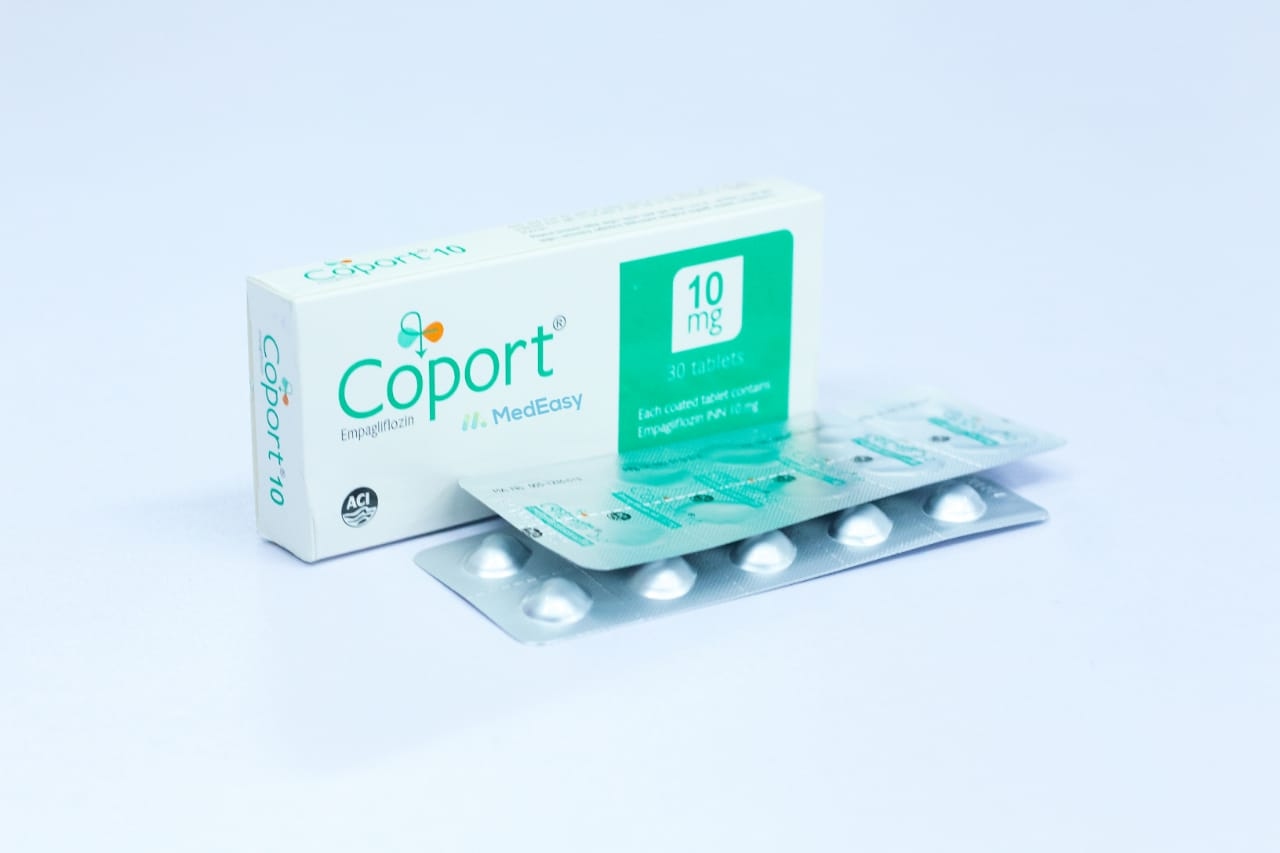
Coport10 mg
ACI Limited
৳230.00
Add to cart
Established Indication - Type 2 Diabetes (Glycemic Control) Empagliflozin is indicated as an adjunct to diet and exercise to improve glycemic control in adults and pediatric patients aged 10 years…
Empagliflozin is indicated as an adjunct to diet and exercise to improve glycemic control in adults and pediatric patients aged 10 years and older with type 2 diabetes mellitus.
Empagliflozin is indicated to reduce the risk of cardiovascular death in adults with type 2 diabetes mellitus and established cardiovascular disease.
Empagliflozin is indicated to reduce the risk of cardiovascular death and hospitalization for heart failure in adults, regardless of ejection fraction and regardless of the presence of type 2 diabetes.
Empagliflozin is indicated to reduce the risk of sustained decline in eGFR, end-stage kidney disease, cardiovascular death, and hospitalization in adults with chronic kidney disease at risk of progression.
Empagliflozin is not approved for use in type 1 diabetes mellitus and is not recommended for the treatment of type 1 diabetes or diabetic ketoacidosis.
The dosage of Empagliflozin is determined by a healthcare professional based on the specific indication, renal function, and individual patient response; it is not the same for every patient or every condition. The following table is a general guide and must be confirmed by a physician before use.
Urinary tract infection, female genital mycotic (yeast) infection, male genital mycotic infection, increased urination, thirst, and nasopharyngitis (common cold-like symptoms).
Diabetic ketoacidosis (see Precautions and Warnings for full details), signs of Fournier's gangrene such as severe genital or perineal pain, swelling, redness, or fever (see Precautions and Warnings), symptoms of dehydration or low blood pressure such as dizziness or fainting, signs of kidney problems, hypoglycemia (especially when used with insulin or sulfonylureas), urosepsis or pyelonephritis (serious urinary tract infection with fever, back pain, or vomiting), and hypersensitivity reactions such as angioedema (swelling of the face, lips, tongue, or throat, or difficulty breathing). Seek immediate medical attention if any of these occur.
Disclaimer
The information provided is accurate to the best of our knowledge, but it does not replace professional medical advice. We cannot guarantee its completeness or accuracy, and the absence of specific information about a drug should not be taken as an endorsement. We are not responsible for any consequences arising from this information, so please consult a healthcare professional for any concerns or questions.