Generic medicine

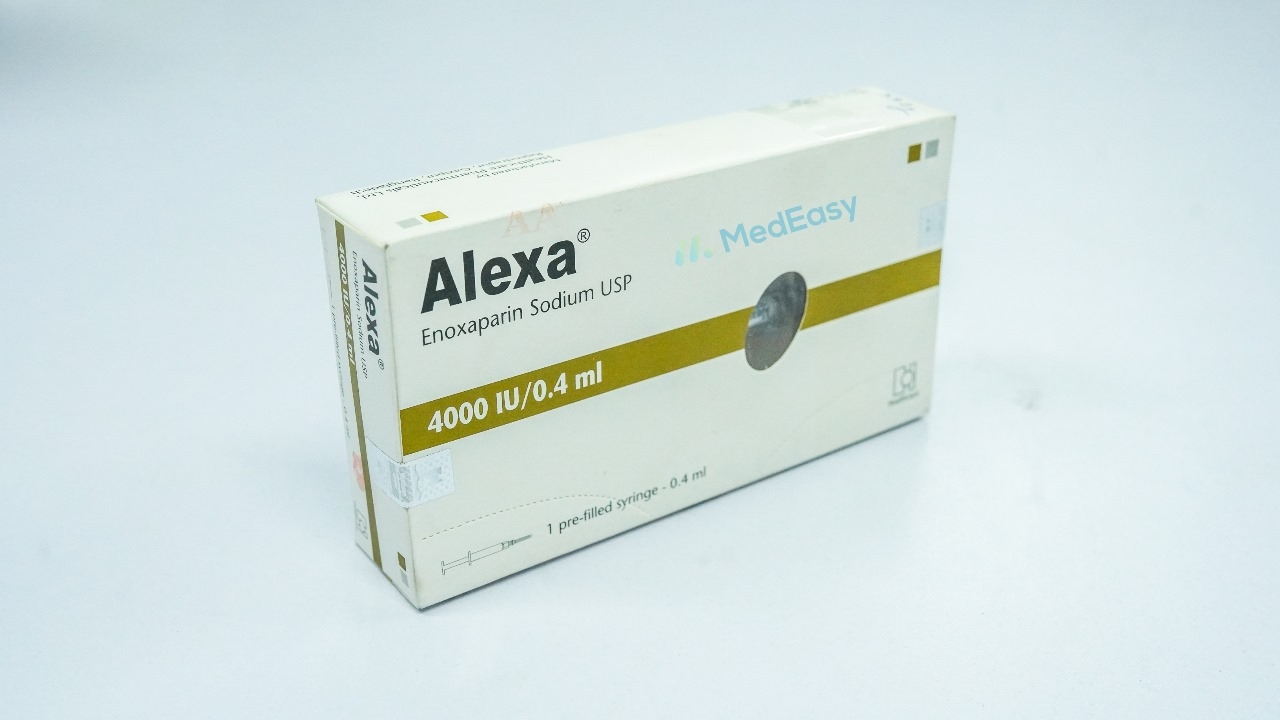
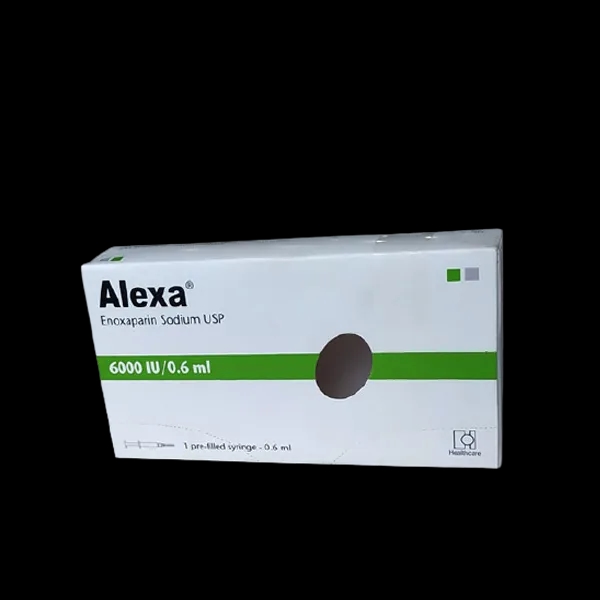
Enoxaparin Sodium: Brands, Price & Uses in Bangladesh

Established / FDA-Approved Uses Prophylaxis of deep vein thrombosis (DVT): in patients undergoing abdominal surgery, hip replacement surgery, or knee replacement surgery and more.

Forms:SC Injection

About Enoxaparin Sodium

Indications of Enoxaparin Sodium

Established / FDA-Approved Uses

  • Prophylaxis of deep vein thrombosis (DVT): in patients undergoing abdominal surgery, hip replacement surgery, or knee replacement surgery, and in medical patients with severely restricted mobility during acute illness.
  • Treatment of acute DVT, with or without pulmonary embolism (PE), when administered in conjunction with warfarin sodium (inpatient) or without warfarin (outpatient, for DVT without PE).
  • Unstable angina and non-Q-wave myocardial infarction: for the prevention of ischemic complications, administered concurrently with aspirin.
  • Acute ST-segment elevation myocardial infarction (STEMI): in patients managed medically or with subsequent percutaneous coronary intervention (PCI), administered with aspirin.
  • Prevention of clot formation in the extracorporeal circuit during hemodialysis.

Guideline-Supported / Adjunct Uses

  • Bridging anticoagulation in patients temporarily interrupting oral anticoagulants (e.g. around surgery), per clinical guideline recommendations, though this is not a formal labeled indication.
  • Thromboprophylaxis in hospitalized medical patients (e.g. heart failure, severe respiratory disease) with restricted mobility, as an FDA-approved use noted above but frequently guided by institutional protocols.

Enoxaparin Sodium must always be prescribed and monitored by a qualified physician; the specific dose and duration depend on the indication being treated.

Dosage & Administration of Enoxaparin Sodium

General Principles

Enoxaparin Sodium dosing is expressed in milligrams (mg) or anti-Xa International Units (IU) depending on the product and region, and must be individualized to the indication. Doses below are typical adult regimens; always follow the prescribing physician's instructions.

IndicationTypical Adult Dosage
DVT prophylaxis - abdominal surgery40 mg (or equivalent IU) subcutaneously once daily, usually for 7-10 days, starting 2 hours before surgery
DVT prophylaxis - hip/knee replacement30 mg every 12 hours, or 40 mg once daily, subcutaneously, for up to 10-35 days depending on the regimen
DVT prophylaxis - acutely ill medical patients40 mg subcutaneously once daily for 6-14 days
Acute DVT/PE treatment1 mg/kg subcutaneously every 12 hours, or 1.5 mg/kg once daily (inpatient use only), usually with or followed by an oral anticoagulant
Unstable angina / non-Q-wave MI1 mg/kg subcutaneously every 12 hours, in combination with oral aspirin, for a minimum of 2 days and continued until clinical stabilization
Acute STEMI30 mg intravenous bolus plus 1 mg/kg subcutaneously, followed by 1 mg/kg subcutaneously every 12 hours (with dose adjustment in patients ≥75 years), with aspirin
HemodialysisApproximately 1 mg/kg (or per institutional protocol) introduced into the arterial line of the dialysis circuit at the start of the session

Renal Impairment

In patients with severe renal impairment (creatinine clearance <30 mL/min), the dose of Enoxaparin Sodium must be reduced (e.g. to once-daily dosing) because of reduced clearance and increased bleeding risk; consult a physician for individualized adjustment.

Injection Technique

  • Enoxaparin Sodium is administered by deep subcutaneous injection, alternating between the left and right anterolateral or posterolateral abdominal wall.
  • Do not expel the air bubble from a pre-filled syringe before injection, as it helps ensure the full dose is delivered.
  • Rotate injection sites and do not rub the site after injection, to minimize bruising.
  • Enoxaparin Sodium should not be administered by intramuscular injection.

Do not use Enoxaparin Sodium interchangeably (unit-for-unit) with unfractionated heparin or with other low molecular weight heparin products, as they differ in manufacturing, dosing, and clinical activity.

Side Effects of Enoxaparin Sodium

The most common adverse effects of Enoxaparin Sodium relate to its anticoagulant action and the injection procedure itself:

  • Very common: bleeding/hemorrhage (of varying severity, from minor bruising to major bleeding), local injection-site reactions (pain, bruising, erythema, hematoma, irritation).
  • Common: elevated liver transaminases (AST/ALT), thrombocytopenia (mild, non-immune), anemia.
  • Less common but serious: heparin-induced thrombocytopenia (HIT), allergic/hypersensitivity reactions (including skin rash, urticaria, rarely anaphylaxis), spinal or epidural hematoma in patients receiving neuraxial anesthesia (see Precautions), osteoporosis with prolonged use.
  • Rare: skin necrosis at the injection site, systemic hypersensitivity reactions.

Patients should seek urgent medical attention for signs of unusual bleeding (blood in urine or stool, unusual bruising, prolonged bleeding from cuts), sudden back pain, numbness, or weakness in the legs (which may indicate spinal/epidural hematoma), or signs of an allergic reaction.

Contraindications of Enoxaparin Sodium

Enoxaparin Sodium is contraindicated in patients with:

  • Known hypersensitivity to Enoxaparin Sodium, heparin, pork products, or any component of the formulation.
  • Active major bleeding.
  • A history of heparin-induced thrombocytopenia (HIT) within the past 100 days, or in the presence of circulating antibodies to HIT.
  • Severe thrombocytopenia associated with a positive in-vitro test for anti-platelet antibody in the presence of Enoxaparin Sodium.

Enoxaparin Sodium should also not be used in patients undergoing neuraxial (spinal/epidural) anesthesia or spinal puncture procedures where the specific dose and timing precautions described under "Precautions and Warnings" cannot be observed, given the risk of spinal/epidural hematoma.

Frequently Asked Questions about Enoxaparin Sodium

What is Enoxaparin Sodium used for?

Enoxaparin Sodium is an injectable anticoagulant (blood thinner) used to prevent and treat blood clots such as deep vein thrombosis (DVT) and pulmonary embolism (PE), to prevent clot-related complications after certain surgeries (e.g. hip or knee replacement), and to manage certain heart conditions such as unstable angina and heart attack (myocardial infarction), usually alongside aspirin.

How is Enoxaparin Sodium given?

Enoxaparin Sodium is usually given as a subcutaneous (under-the-skin) injection into the fat of the abdomen, once or twice daily depending on the indication. It is injected deep into the skin fold, and the injection site should be rotated. In hospital, Enoxaparin Sodium may occasionally be given intravenously in specific heart-related indications. It should never be injected into a muscle.

Can Enoxaparin Sodium cause bleeding?

Yes. Because Enoxaparin Sodium is an anticoagulant, the most common side effect is an increased risk of bleeding, which can range from minor bruising at the injection site to serious internal bleeding. Contact a doctor immediately if you notice unusual bruising, blood in urine or stool, prolonged bleeding, or signs of severe bleeding.

Is it safe to have spinal or epidural anesthesia while on Enoxaparin Sodium?

This requires great caution. Enoxaparin Sodium carries a serious risk of causing a spinal or epidural hematoma (bleeding around the spinal cord) in patients undergoing spinal/epidural anesthesia or spinal puncture, which can lead to long-term or permanent paralysis. Your physician must carefully time doses of Enoxaparin Sodium around any planned spinal procedure, and you should immediately report any back pain, numbness, or weakness in the legs, or bowel/bladder problems, after such a procedure.

Can Enoxaparin Sodium be used during pregnancy?

Enoxaparin Sodium should be used during pregnancy only if clearly needed and if the potential benefit to the mother justifies the potential risk to the fetus, under close physician supervision. It does not appear to cross the placenta in significant amounts, but long-term use has been linked to a risk of maternal bone thinning (osteoporosis). Always consult your physician before using Enoxaparin Sodium during pregnancy or while breastfeeding.

Can I switch between Enoxaparin Sodium and other heparin products on my own?

No. Enoxaparin Sodium is not interchangeable unit-for-unit with unfractionated heparin or with other low molecular weight heparin products, as each has different dosing and clinical activity. Never switch between anticoagulant products without your physician's specific instruction.

Disclaimer

The information provided is accurate to the best of our knowledge, but it does not replace professional medical advice. We cannot guarantee its completeness or accuracy, and the absence of specific information about a drug should not be taken as an endorsement. We are not responsible for any consequences arising from this information, so please consult a healthcare professional for any concerns or questions.
DoctorBlogArticles
