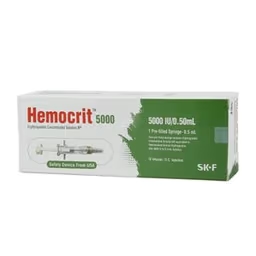
Generic medicine

Erythropoietin Alfa: Brands, Price & Uses in Bangladesh

Established (FDA-approved) indications Anemia due to chronic kidney disease (CKD) , in patients on dialysis and in patients not on dialysis, to reduce the need for red blood cell (RBC) transfusion.

Forms:IV/SC Injection

About Erythropoietin Alfa

Indications of Erythropoietin Alfa

Established (FDA-approved) indications

  • Anemia due to chronic kidney disease (CKD), in patients on dialysis and in patients not on dialysis, to reduce the need for red blood cell (RBC) transfusion. Erythropoietin Alfa is used to raise hemoglobin only to the lowest level sufficient to avoid transfusion; it is not used to normalize hemoglobin (see Precautions and Warnings).
  • Chemotherapy-induced anemia in patients with non-myeloid malignancies where the anemia is due to concomitant myelosuppressive chemotherapy and treatment is not curative in intent. Erythropoietin Alfa is not indicated when chemotherapy is given with curative intent.
  • Anemia related to zidovudine therapy in patients infected with HIV, when endogenous serum erythropoietin levels are ≤500 mU/mL and the zidovudine dose is ≤4200 mg/week.
  • Reduction of allogeneic blood transfusion in patients with pre-operative hemoglobin between 10 and 13 g/dL who are scheduled for elective, non-cardiac, non-vascular surgery with an expectation of significant blood loss.

Not indicated for: anemia in cancer patients not receiving concurrent chemotherapy; use to achieve normalization of hemoglobin (associated with increased cardiovascular risk and, in some cancers, tumor progression); or as a substitute for emergency transfusion. Erythropoietin Alfa must be prescribed and monitored by a physician.

Dosage & Administration of Erythropoietin Alfa

General principles

The dose of Erythropoietin Alfa must be individualized to the lowest dose that gradually raises hemoglobin to the minimum level sufficient to avoid the need for RBC transfusion; do not use Erythropoietin Alfa to normalize hemoglobin. Evaluate iron status in all patients before and during treatment and supplement iron as needed, since adequate iron stores are required for a response.

IndicationTypical starting regimen
Anemia of chronic kidney disease (adult)Starting dose approximately 50–100 Units/kg, 3 times weekly (IV in hemodialysis patients; SC or IV in non-dialysis or peritoneal dialysis patients). Adjust dose based on hemoglobin response, avoiding rapid rises (>1 g/dL per 2-week period) and targeting the lowest hemoglobin sufficient to avoid transfusion.
Chemotherapy-induced anemia (adult, non-curative intent)150 Units/kg subcutaneously 3 times weekly, or 40,000 Units subcutaneously once weekly. Discontinue after completion of a chemotherapy course, and discontinue if hemoglobin has not increased by approximately 1 g/dL after 8 weeks of therapy.
Zidovudine-associated anemia in HIV (endogenous erythropoietin ≤500 mU/mL)Starting dose 100 Units/kg 3 times weekly for 8 weeks; may increase by 50–100 Units/kg increments if response is inadequate; re-evaluate if no response by 8 weeks.
Reduction of allogeneic transfusion, elective surgery300 Units/kg/day subcutaneously for 10 days before surgery, on the day of surgery, and for 4 days after surgery; alternatively 600 Units/kg once weekly starting 21, 14, and 7 days before surgery plus a dose on the day of surgery. Concurrent iron supplementation and deep-vein-thrombosis prophylaxis are recommended.

See Dosage for a concise summary and Precautions and Warnings for hemoglobin-related dose-reduction and interruption rules.

Side Effects of Erythropoietin Alfa

Common adverse reactions

SystemReaction
CardiovascularHypertension (very common), hypertensive crisis (uncommon), edema
GeneralInjection-site pain/reaction, fever, headache, fatigue, arthralgia, myalgia
GastrointestinalNausea, vomiting, diarrhea
OtherCough, upper respiratory tract symptoms (in HIV/chemotherapy populations)

Serious adverse reactions

Serious risks associated with Erythropoietin Alfa include an increased risk of death, myocardial infarction, stroke, and venous thromboembolism when hemoglobin targets exceed conservative thresholds; increased risk of tumor progression or recurrence when used in certain cancers; seizures (more frequent in the first several months of chronic kidney disease treatment); pure red cell aplasia (rare); and serious allergic reactions. See Precautions and Warnings for full detail.

Contraindications of Erythropoietin Alfa

Erythropoietin Alfa is contraindicated in patients with:

  • Uncontrolled hypertension.
  • Pure red cell aplasia (PRCA) that begins after treatment with Erythropoietin Alfa or other erythropoietin protein drugs — Erythropoietin Alfa must not be used in this setting, and patients should not be switched to another ESA (see Interactions).
  • Known serious hypersensitivity to Erythropoietin Alfa or to any of its excipients (e.g., human albumin in albumin-containing formulations).

Frequently Asked Questions about Erythropoietin Alfa

What is Erythropoietin Alfa used for?

Erythropoietin Alfa is a man-made version of the hormone erythropoietin, used to treat anemia (low red blood cell count) caused by chronic kidney disease, certain chemotherapy regimens, and zidovudine treatment for HIV, and to reduce the need for blood transfusion before certain surgeries.

How is Erythropoietin Alfa given?

Erythropoietin Alfa is given only by injection — either under the skin (subcutaneous) or into a vein (intravenous) — never by mouth. Your healthcare provider will decide the dose and injection schedule based on your hemoglobin levels and the condition being treated.

What is the most serious risk of Erythropoietin Alfa?

Erythropoietin Alfa carries a boxed warning: it can increase the risk of death, heart attack, stroke, and blood clots when used to raise hemoglobin too high or too fast, and it may worsen outcomes in some cancer patients. Your doctor will use the lowest dose needed and monitor your hemoglobin and blood pressure regularly.

Can Erythropoietin Alfa be used during pregnancy or breastfeeding?

There is limited information on Erythropoietin Alfa in pregnancy, so it should be used only if clearly needed and the benefit outweighs the possible risk to the baby, after discussing with your physician. Whether Erythropoietin Alfa passes into breast milk in a way that affects the infant is not well established, so consult your doctor before breastfeeding while using it.

Why do I need blood tests while taking Erythropoietin Alfa?

Regular blood tests check your hemoglobin, blood pressure, and iron levels. Erythropoietin Alfa only works well when your iron stores are adequate, and your dose needs to be adjusted carefully because raising hemoglobin too quickly or too high increases the risk of serious heart and blood-vessel problems.

What should I do if I think I received too much Erythropoietin Alfa?

An overdose of Erythropoietin Alfa can cause an excessive rise in red blood cells (polycythemia), increasing the risk of blood clots and severe high blood pressure. Seek immediate medical attention or contact emergency services if you suspect an overdose; your doctor may withhold further doses or perform a procedure to remove excess blood cells if needed.

Disclaimer

The information provided is accurate to the best of our knowledge, but it does not replace professional medical advice. We cannot guarantee its completeness or accuracy, and the absence of specific information about a drug should not be taken as an endorsement. We are not responsible for any consequences arising from this information, so please consult a healthcare professional for any concerns or questions.
DoctorBlogArticles