Generic medicine

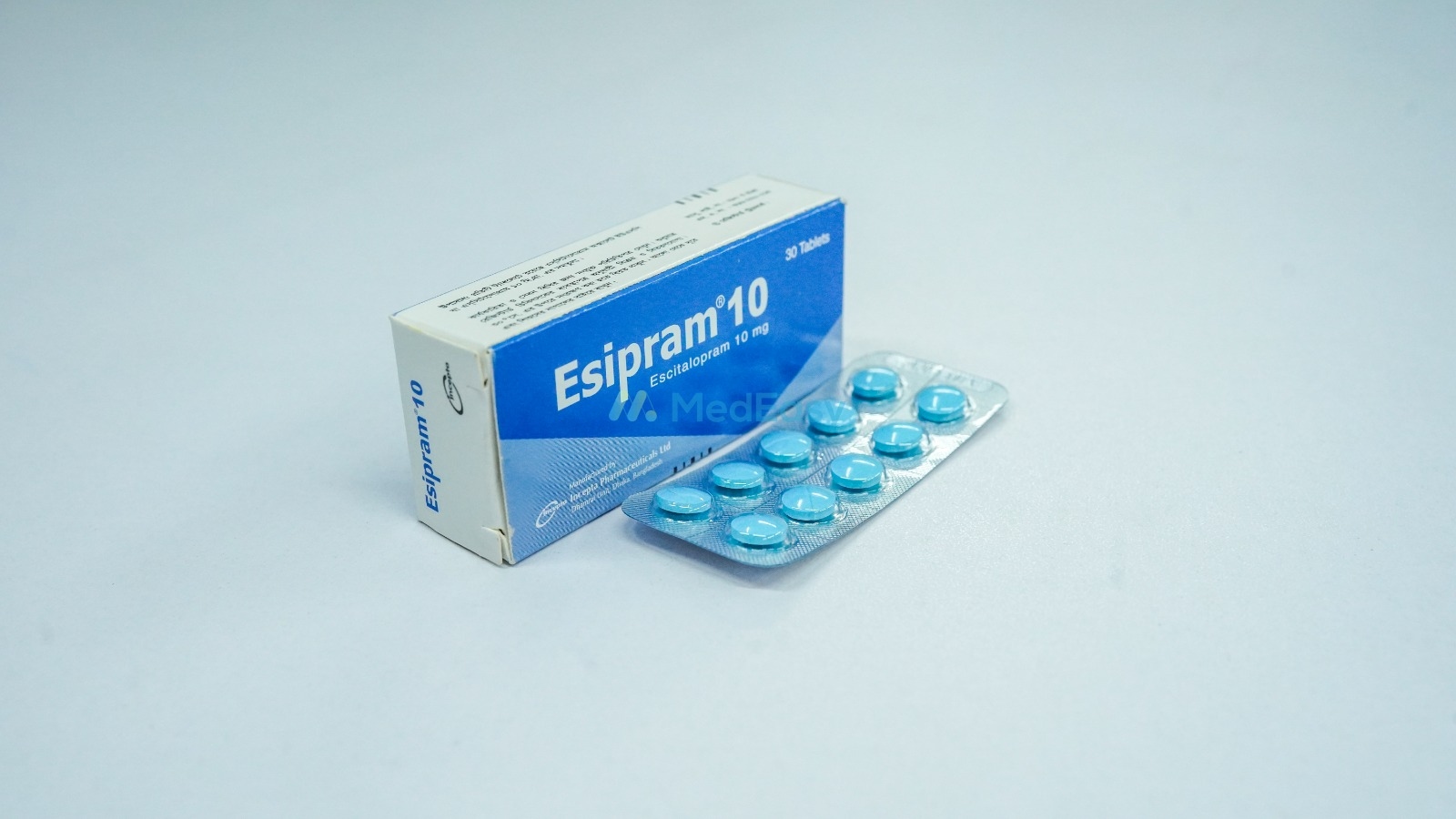
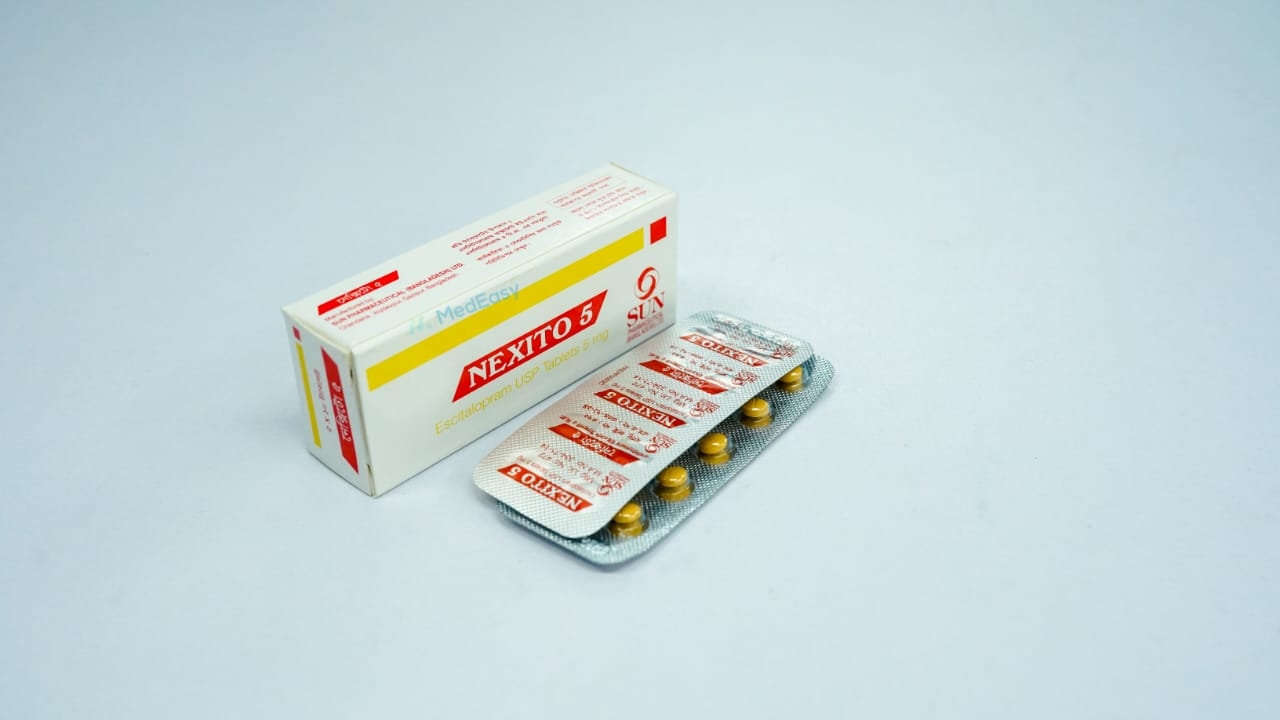
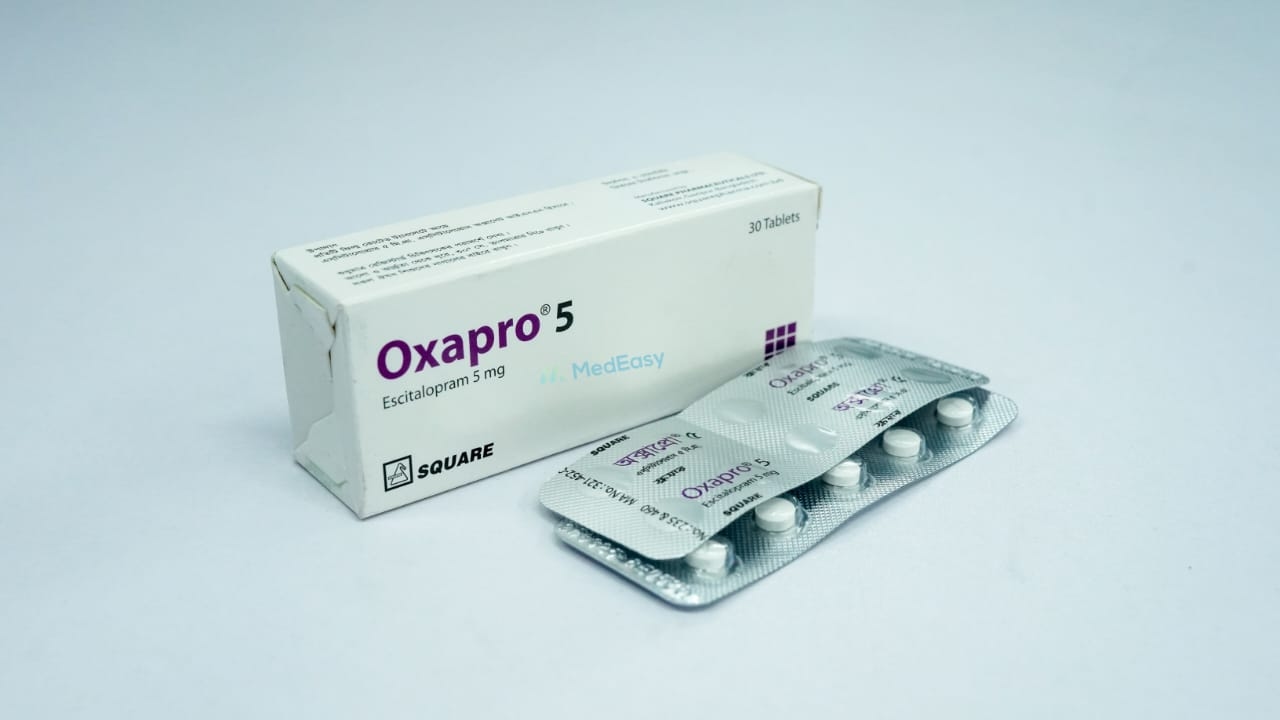
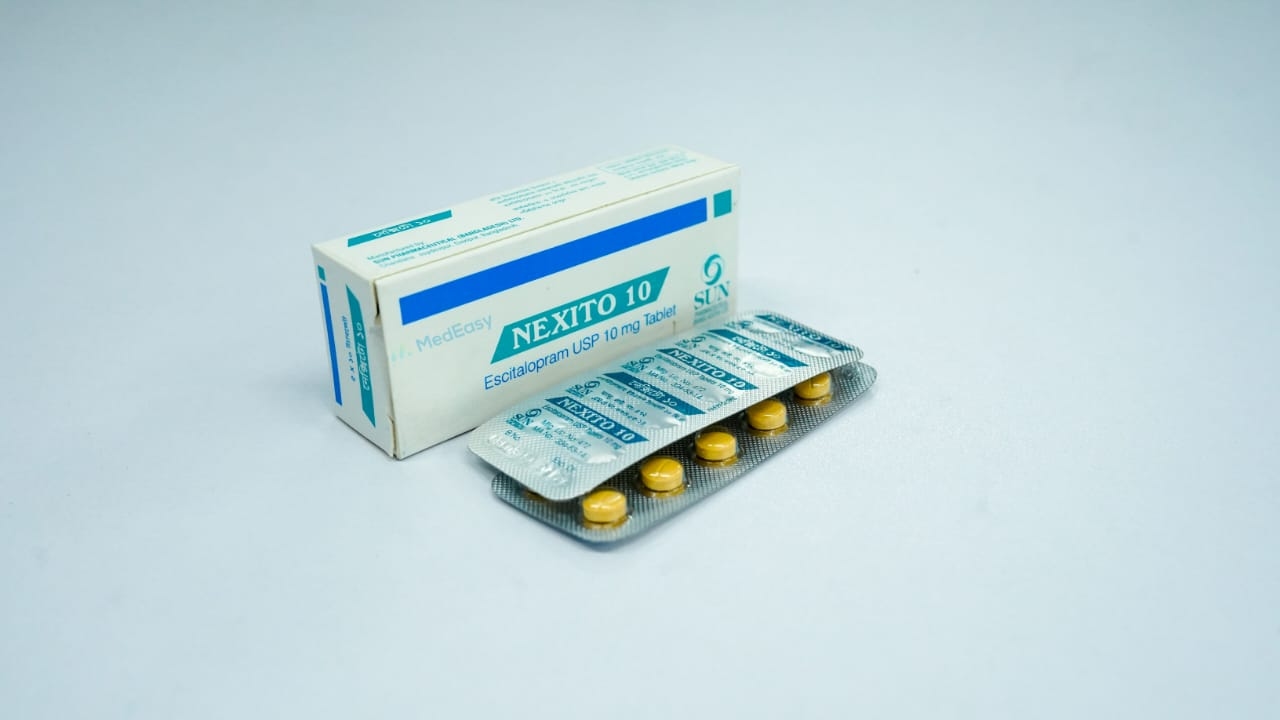
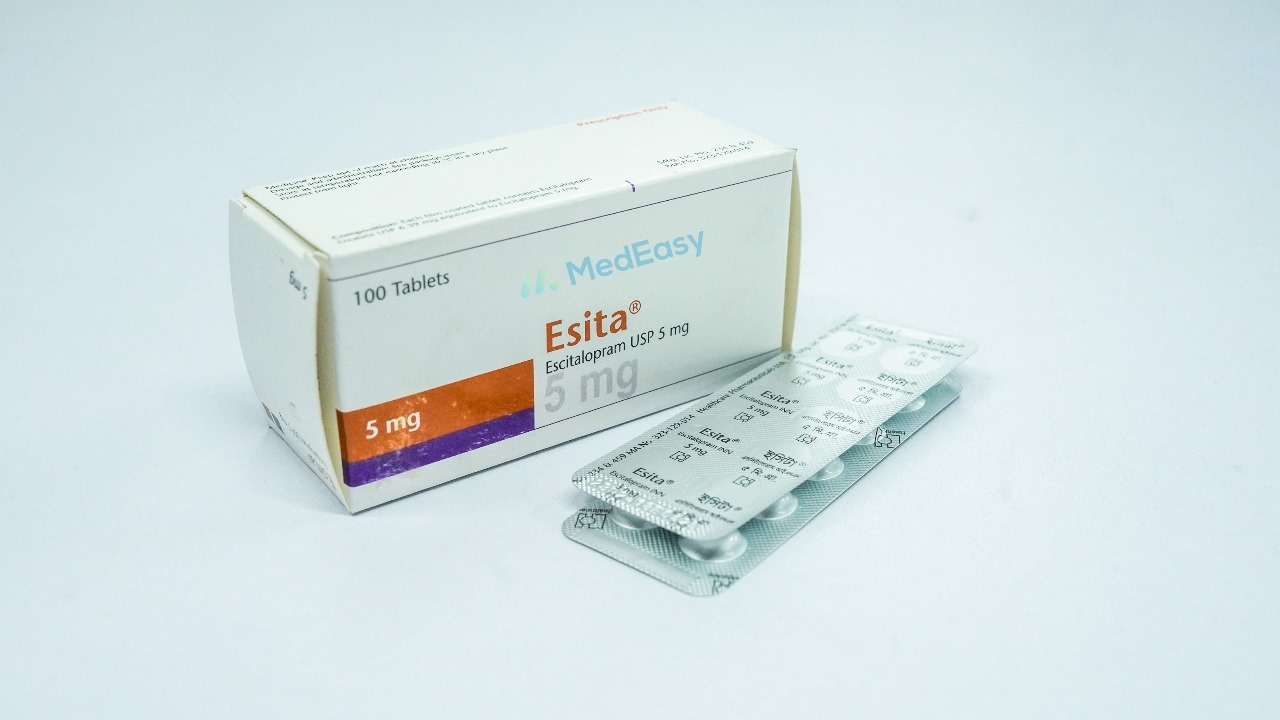
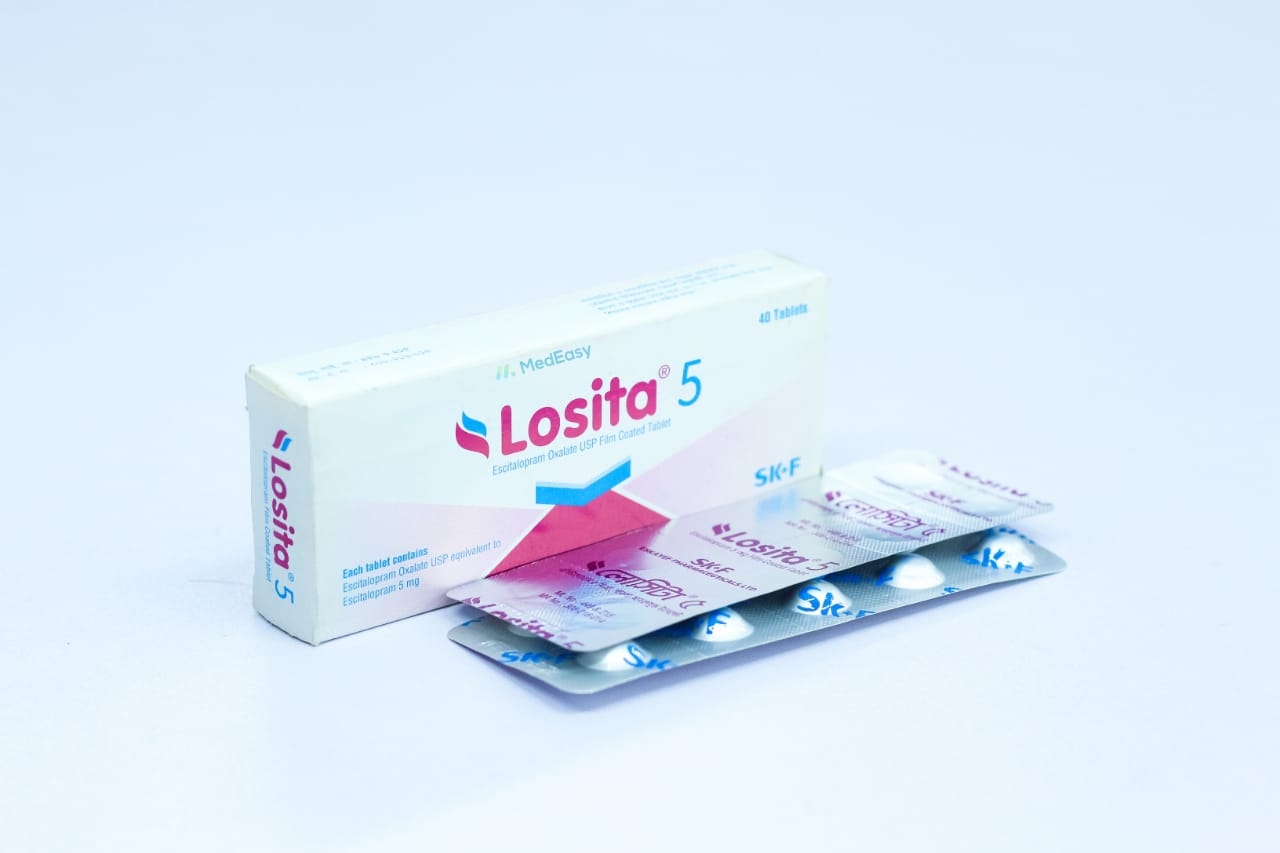
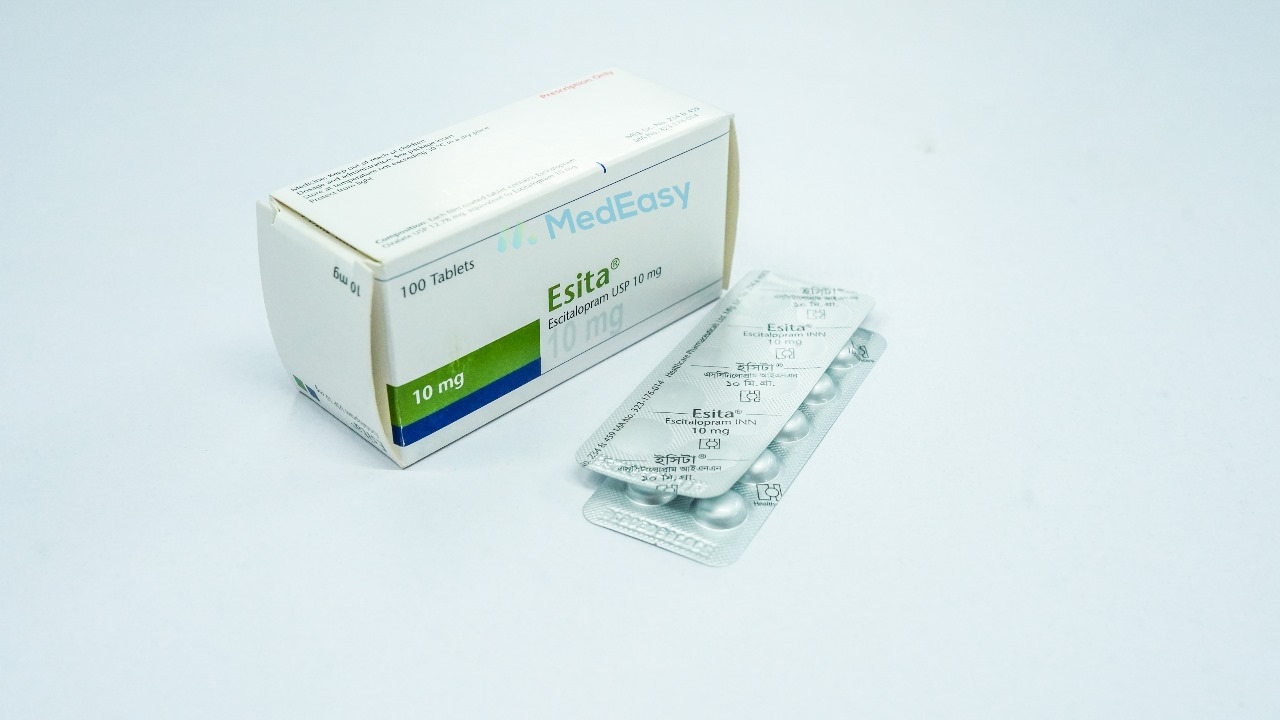
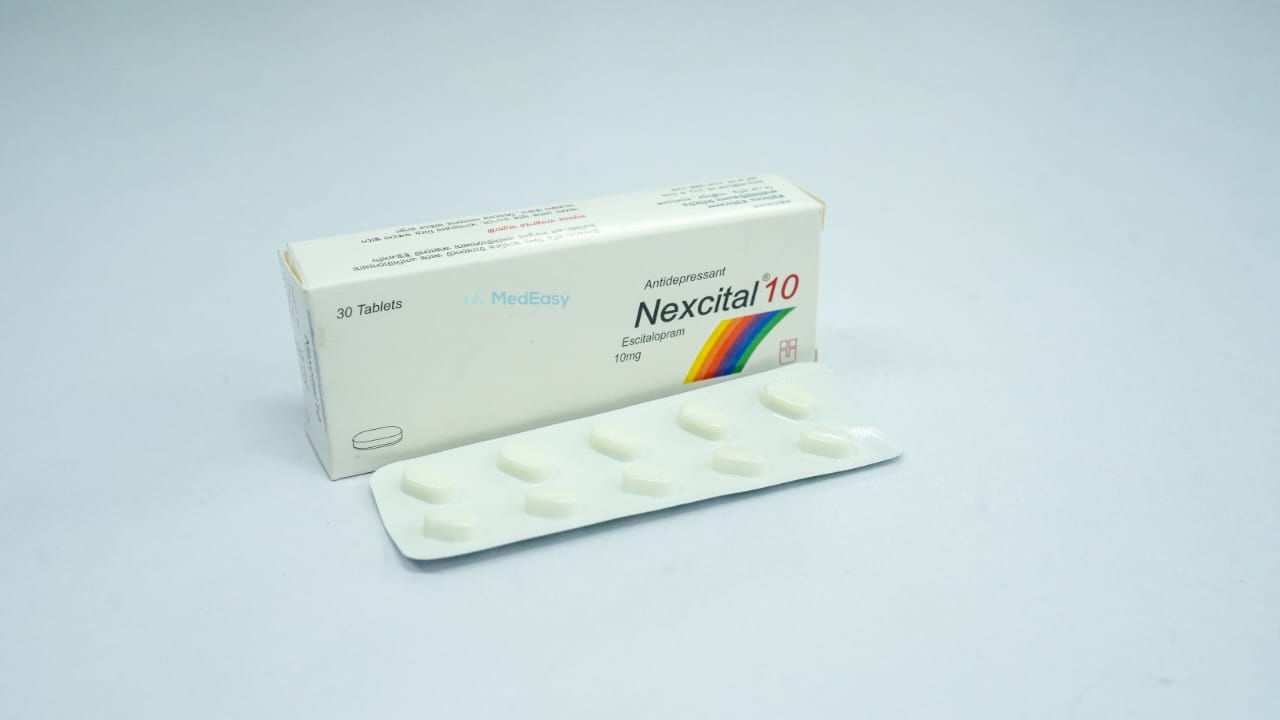
Escitalopram: Brands, Price & Uses in Bangladesh

Established (Approved) Uses Escitalopram is approved for the treatment of Major Depressive Disorder (MDD) in adults and in adolescents 12 years of age and older.

Forms:Tablet

About Escitalopram

Indications of Escitalopram

Established (Approved) Uses

Escitalopram is approved for the treatment of Major Depressive Disorder (MDD) in adults and in adolescents 12 years of age and older. Escitalopram is also approved for the treatment of Generalized Anxiety Disorder (GAD) in adults and in children and adolescents 7 years of age and older.

Guideline-Supported / Regionally Approved Uses

Escitalopram is used, and is approved in many countries including Bangladesh and across Europe, for panic disorder (with or without agoraphobia) and for social anxiety disorder (social phobia) in adults, based on clinical trial evidence, although these uses are not FDA-approved indications in the United States.

Off-Label Use

Escitalopram is sometimes prescribed off-label for obsessive-compulsive disorder (OCD) in adults, based on the general antidepressant/anti-obsessional effect of SSRIs as a class, although Escitalopram does not carry a specific regulatory approval for OCD in most markets and other SSRIs have stronger evidence in this indication. Any off-label use of Escitalopram should be decided by a qualified physician after weighing individual benefits and risks.

Dosage & Administration of Escitalopram

The dose and duration of treatment with Escitalopram must be determined by a qualified healthcare professional based on the specific condition being treated, the patient's age, and individual response. Escitalopram is not dosed the same way for every indication, and doses should never be adjusted or stopped without medical advice.

Side Effects of Escitalopram

Common Side Effects

  • Nausea and other gastrointestinal upset (dyspepsia, diarrhea, or constipation)
  • Insomnia or somnolence (drowsiness)
  • Fatigue and dizziness
  • Increased sweating
  • Dry mouth
  • Decreased appetite
  • Sexual dysfunction, including delayed ejaculation, decreased libido, and difficulty reaching orgasm
  • Mild tremor

Serious Side Effects – Seek Medical Attention

  • Signs of serotonin syndrome (agitation, hallucinations, rapid heartbeat, fever, muscle stiffness or twitching, loss of coordination, sweating, diarrhea) – see Precautions and Warnings.
  • New or worsening suicidal thoughts or behavior, or unusual changes in mood or behavior – see Precautions and Warnings.
  • Signs of an allergic reaction (rash, swelling of the face/throat, difficulty breathing) or severe skin reactions such as blistering or peeling skin.
  • Seizures.
  • Unusual bleeding or bruising.
  • Symptoms of low blood sodium (hyponatremia) such as headache, confusion, weakness, or unsteadiness, particularly in elderly patients.
  • Eye pain, vision changes, or swelling/redness in or around the eye (possible angle-closure glaucoma).
  • Irregular heartbeat, palpitations, or fainting (possible QT prolongation/arrhythmia).
  • Symptoms of mania (abnormally elevated mood, racing thoughts, unusual risk-taking).

Contraindications of Escitalopram

  • Known hypersensitivity to Escitalopram, to citalopram, or to any excipient in the formulation.
  • Concurrent use with a monoamine oxidase inhibitor (MAOI), or use within 14 days of stopping an MAOI, and starting an MAOI within 14 days of stopping Escitalopram (risk of serotonin syndrome).
  • Concurrent use with pimozide (risk of QT-interval prolongation).

Frequently Asked Questions about Escitalopram

What is Escitalopram used for?

Escitalopram is used to treat Major Depressive Disorder (MDD) and Generalized Anxiety Disorder (GAD), and is also used in many countries, including Bangladesh, for panic disorder and social anxiety disorder. A doctor will determine whether Escitalopram is the right choice for a particular condition.

How should Escitalopram be taken?

Escitalopram is usually taken once daily, by mouth, with or without food, at a dose determined by a doctor based on the condition being treated. Escitalopram should be taken consistently at around the same time each day.

How long does it take for Escitalopram to start working?

Escitalopram typically takes about 2-4 weeks to produce a noticeable improvement in mood or anxiety symptoms, and full benefit may take longer. It is important to keep taking Escitalopram as prescribed even if improvement is not immediately obvious, and to discuss any concerns with a doctor rather than stopping on one's own.

Can Escitalopram be taken with milk?

Escitalopram may generally be taken with or without food, including with milk, since food does not significantly affect the absorption of Escitalopram. Patients should follow their doctor's or pharmacist's specific instructions regarding food and drink.

Is Escitalopram safe during pregnancy?

Escitalopram should be used in pregnancy only if a doctor determines that the benefits outweigh the risks, since use late in pregnancy has been linked to poor neonatal adaptation and possibly other effects in the newborn. Because untreated depression or anxiety in pregnancy also carries risks, any decision about using Escitalopram during pregnancy should be made together with a doctor, and Escitalopram should never be stopped abruptly without medical advice.

Can Escitalopram be given to children?

Escitalopram is approved for Major Depressive Disorder in adolescents 12 years and older and for Generalized Anxiety Disorder in children and adolescents 7 years and older; it is not approved for other pediatric uses or younger children. Because of an increased risk of suicidal thoughts and behavior in children, adolescents, and young adults taking antidepressants, any child or adolescent taking Escitalopram needs close medical monitoring.

What are the common side effects of Escitalopram?

Common side effects of Escitalopram include nausea, insomnia or drowsiness, fatigue, increased sweating, dry mouth, decreased appetite, and sexual side effects such as delayed ejaculation or decreased libido. Most side effects of Escitalopram are mild, but any severe or persistent symptom should be reported to a doctor.

Can Escitalopram be taken with other medicines?

Escitalopram must not be combined with monoamine oxidase inhibitors (MAOIs) or pimozide, and should be used cautiously with other serotonergic drugs, NSAIDs, aspirin, or blood thinners because of interaction risks including serotonin syndrome and bleeding. Always tell the doctor or pharmacist about all other medicines, supplements, or herbal products before starting Escitalopram.

Is it safe to stop taking Escitalopram suddenly?

No, Escitalopram should not be stopped suddenly, as this can cause a discontinuation syndrome with symptoms such as dizziness, irritability, and mood disturbance. Any decision to reduce or stop Escitalopram should be made gradually and under the supervision of a doctor.

Disclaimer

The information provided is accurate to the best of our knowledge, but it does not replace professional medical advice. We cannot guarantee its completeness or accuracy, and the absence of specific information about a drug should not be taken as an endorsement. We are not responsible for any consequences arising from this information, so please consult a healthcare professional for any concerns or questions.
DoctorBlogArticles