10% Off
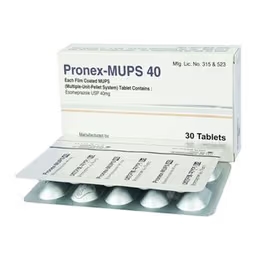
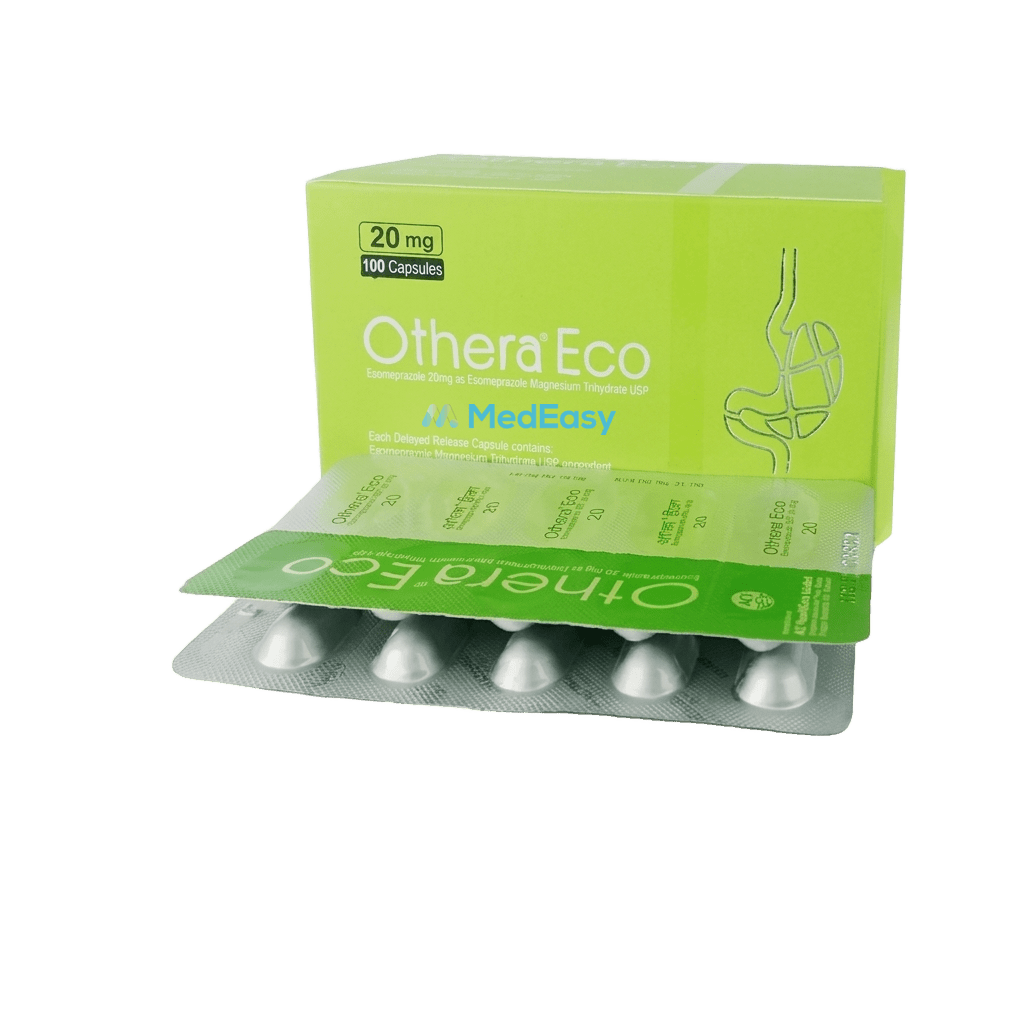
Nexven MUPS20 mg
C2C Pharma
৳43.20
Add to cart
Esomeprazole is a proton pump inhibitor (PPI) indicated for the following conditions: Established / FDA-approved uses Gastroesophageal reflux disease (GERD): Treatment of heartburn and other…
Esomeprazole is a proton pump inhibitor (PPI) indicated for the following conditions:
| Indication | Dose | Duration |
|---|---|---|
| GERD (symptomatic, no esophagitis) | 20 mg once daily | 4 weeks |
| Healing of erosive esophagitis | 20-40 mg once daily | 4-8 weeks |
| Maintenance of healed erosive esophagitis | 20 mg once daily | Up to 6 months |
| Risk reduction of NSAID-associated gastric ulcer | 20-40 mg once daily | Up to 6 months |
| H. pylori eradication (with clarithromycin and amoxicillin) | 40 mg once daily | 10 days |
| Pathological hypersecretory conditions (e.g. Zollinger-Ellison syndrome) | 40 mg twice daily, individualized and continued as long as clinically needed | Individualized |
For GERD in children, weight-based dosing is used under specialist supervision (typically 10-20 mg once daily depending on age and weight). Esomeprazole oral formulations are approved for children as young as 1 year for GERD-related indications; safety and efficacy in infants under 1 year have not been established. See Use in Special Populations for details.
Take Esomeprazole at least 1 hour before a meal, typically in the morning. Delayed-release capsules/tablets should be swallowed whole; for patients unable to swallow whole, capsules may be opened and granules mixed with a small amount of water or soft food and used immediately, without chewing or crushing the granules. Do not crush or chew tablets/granules.
No dosage adjustment is needed in mild-to-moderate renal impairment; data are limited in severe renal impairment. In severe hepatic impairment, a maximum dose of 20 mg once daily is recommended; no adjustment is required for mild-to-moderate hepatic impairment.
Common side effects of Esomeprazole (occurring in more than 1% of patients) include:
Less common but clinically important adverse effects associated with long-term use include bone fracture, hypomagnesemia, vitamin B12 deficiency, and Clostridioides difficile-associated diarrhea (see Precautions and Warnings for details). Rare but serious effects include severe hypersensitivity reactions (anaphylaxis, angioedema, Stevens-Johnson syndrome), acute interstitial nephritis, cutaneous or systemic lupus erythematosus, and severe cutaneous adverse reactions. Seek prompt medical attention for rash, persistent joint pain, unexplained kidney symptoms, or signs of severe allergic reaction.
Esomeprazole is contraindicated in patients with:
Disclaimer
The information provided is accurate to the best of our knowledge, but it does not replace professional medical advice. We cannot guarantee its completeness or accuracy, and the absence of specific information about a drug should not be taken as an endorsement. We are not responsible for any consequences arising from this information, so please consult a healthcare professional for any concerns or questions.