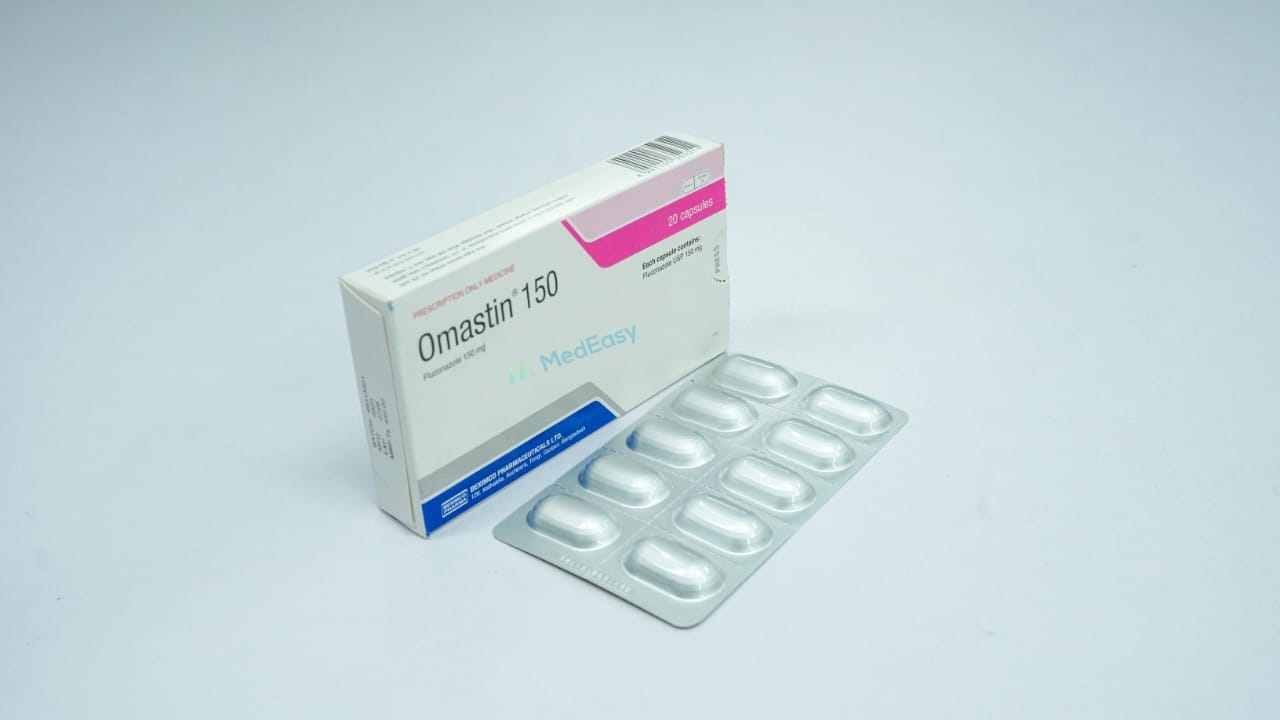
Generic medicine

Fluconazole: Brands, Price & Uses in Bangladesh

Fluconazole is a triazole antifungal used to treat and prevent a range of fungal (candidal and cryptococcal) infections.

Forms:CapsulePowder for Suspension

About Fluconazole

Indications of Fluconazole

Fluconazole is a triazole antifungal used to treat and prevent a range of fungal (candidal and cryptococcal) infections. Its indications can be classified by strength of evidence as follows:

Established / FDA-approved uses

  • Vaginal candidiasis (vulvovaginal candidiasis)
  • Oropharyngeal and esophageal candidiasis
  • Systemic Candida infections, including candidemia, disseminated candidiasis, and candida infections of the peritoneum, endocardium, and urinary tract
  • Cryptococcal meningitis (including as maintenance therapy to prevent relapse in patients with AIDS)
  • Prophylaxis of candidiasis in patients undergoing bone marrow transplantation who are expected to have neutropenia following cytotoxic chemotherapy or radiation therapy

Guideline-supported / commonly used indications

  • Dermatophyte infections such as tinea corporis, tinea cruris, tinea pedis, and tinea versicolor (used based on clinical guidelines and long-standing clinical practice, though not all are separately listed in every regulatory label)
  • Prevention of recurrent fungal infections in immunocompromised patients (e.g. HIV/AIDS, organ transplant recipients) at increased risk

Off-label uses

  • Fungal urinary tract infections and prosthetic device-related candidiasis in select patients, under specialist guidance

Use of Fluconazole should always be guided by a physician's diagnosis and, where possible, fungal culture/susceptibility results.

Dosage & Administration of Fluconazole

Fluconazole may be given orally (capsule/tablet or oral suspension) or by slow intravenous infusion; the oral and intravenous doses are the same because of high oral bioavailability. Fluconazole may be taken with or without food.

IndicationTypical Adult Dose
Vaginal candidiasis150 mg as a single oral dose
Oropharyngeal candidiasis200 mg on day 1, then 100 mg once daily for at least 2 weeks
Esophageal candidiasis200 mg on day 1, then 100 mg once daily (up to 400 mg/day if needed) for a minimum of 3 weeks and at least 2 weeks after symptom resolution
Systemic candidiasis (e.g. candidemia)Usually 400 mg on day 1, then 200-400 mg once daily; duration guided by clinical response
Cryptococcal meningitis (treatment)400 mg on day 1, then 200-400 mg once daily for 10-12 weeks after cerebrospinal fluid culture becomes negative
Cryptococcal meningitis (suppressive/maintenance therapy)200 mg once daily, long-term, in appropriate patients
Prophylaxis in bone marrow transplant recipients400 mg once daily, started before anticipated neutropenia and continued for 7 days after neutrophil count recovery
Dermatophyte infections (e.g. tinea corporis/cruris/pedis)150 mg once weekly for 2-6 weeks, per physician guidance

Dose adjustment is required in patients with renal impairment (see Use in Special Populations).

Antimicrobial stewardship: Take Fluconazole exactly as prescribed by your physician; do not stop, extend, skip doses, or share this medicine with others without medical advice, even if symptoms improve before the course is finished.

Side Effects of Fluconazole

Most patients tolerate Fluconazole well. Reported side effects include:

Common

  • Headache
  • Nausea, abdominal pain, diarrhea, vomiting
  • Dizziness
  • Rash
  • Altered taste

Less common / serious (seek medical attention)

  • Signs of liver injury: yellowing of skin/eyes, dark urine, unusual fatigue, loss of appetite (see Precautions and Warnings)
  • Severe skin reactions such as Stevens-Johnson syndrome or toxic epidermal necrolysis (rare)
  • Signs of an allergic reaction, including anaphylaxis and angioedema (rare)
  • Palpitations or irregular heartbeat, suggestive of QT prolongation (rare)
  • Low blood counts (leukopenia, thrombocytopenia) with prolonged use

Patients should seek prompt medical attention if serious symptoms occur while taking Fluconazole.

Contraindications of Fluconazole

Fluconazole is contraindicated in:

  • Patients with known hypersensitivity to Fluconazole, other azole antifungal agents, or any excipient of the formulation.
  • Concurrent use with drugs that both prolong the QT interval and are metabolized by CYP3A4 (e.g. cisapride, astemizole, pimozide, quinidine), because of the risk of serious ventricular arrhythmias including torsades de pointes.
  • Concurrent use with terfenadine when Fluconazole is given at doses of 400 mg/day or higher.

Frequently Asked Questions about Fluconazole

What is Fluconazole used for?

Fluconazole is a triazole antifungal medicine used to treat fungal infections such as vaginal candidiasis, oral and esophageal thrush, systemic candida infections, and cryptococcal meningitis, and to prevent fungal infections in certain immunocompromised patients.

How should I take Fluconazole?

Take Fluconazole exactly as prescribed by your physician, with or without food. Depending on your condition, this may be a single dose or a daily dose for a set number of days or weeks. Do not stop, extend, skip doses, or share this medicine with others without medical advice, even if you feel better before finishing the course.

Can I take Fluconazole during pregnancy?

Fluconazole should be used in pregnancy only if clearly needed, since higher doses or prolonged use in early pregnancy have been linked to rare birth defects, while a single low dose for vaginal candidiasis appears to carry a lower risk. Always consult your physician before taking Fluconazole if you are pregnant or trying to become pregnant.

What are the common side effects of Fluconazole?

The most common side effects of Fluconazole are headache, nausea, abdominal pain, diarrhea, and rash. Most side effects are mild, but you should seek medical attention immediately if you notice yellowing of the skin or eyes, severe rash, or signs of an allergic reaction.

Can Fluconazole interact with other medicines?

Yes. Fluconazole can significantly interact with warfarin, sulfonylurea diabetes medicines, phenytoin, cyclosporine, tacrolimus, and certain heart-rhythm or allergy medicines. Always tell your physician or pharmacist about all medicines you are taking before starting Fluconazole.

What should I do if I miss a dose or take too much Fluconazole?

If you miss a dose of a multi-day Fluconazole regimen, take it as soon as you remember unless it is almost time for the next dose. If you or someone else has taken more Fluconazole than prescribed, seek immediate medical attention or contact a poison control center right away.

Disclaimer

The information provided is accurate to the best of our knowledge, but it does not replace professional medical advice. We cannot guarantee its completeness or accuracy, and the absence of specific information about a drug should not be taken as an endorsement. We are not responsible for any consequences arising from this information, so please consult a healthcare professional for any concerns or questions.

DoctorBlogArticles