Generic medicine

Fusidic acid + Hydrocortisone: Brands, Price & Uses in Bangladesh

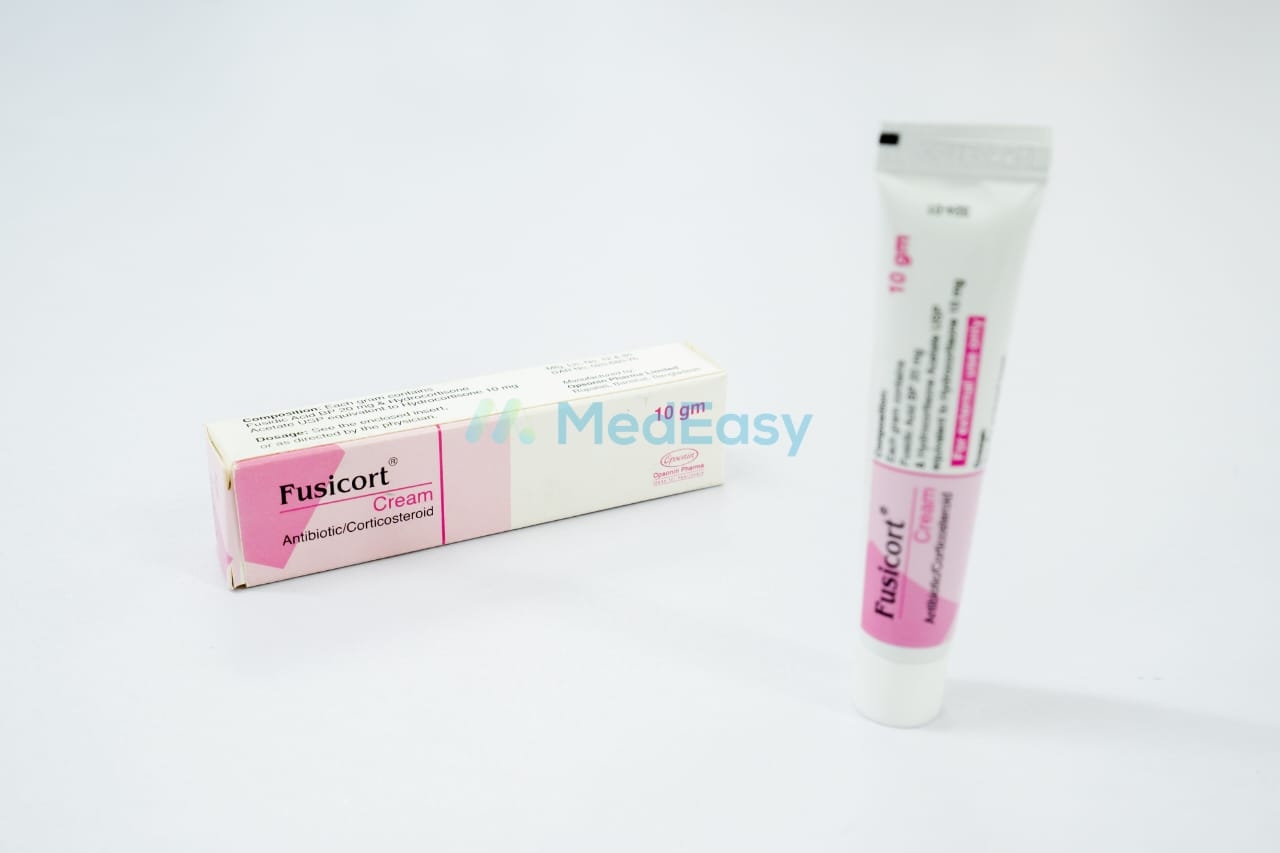
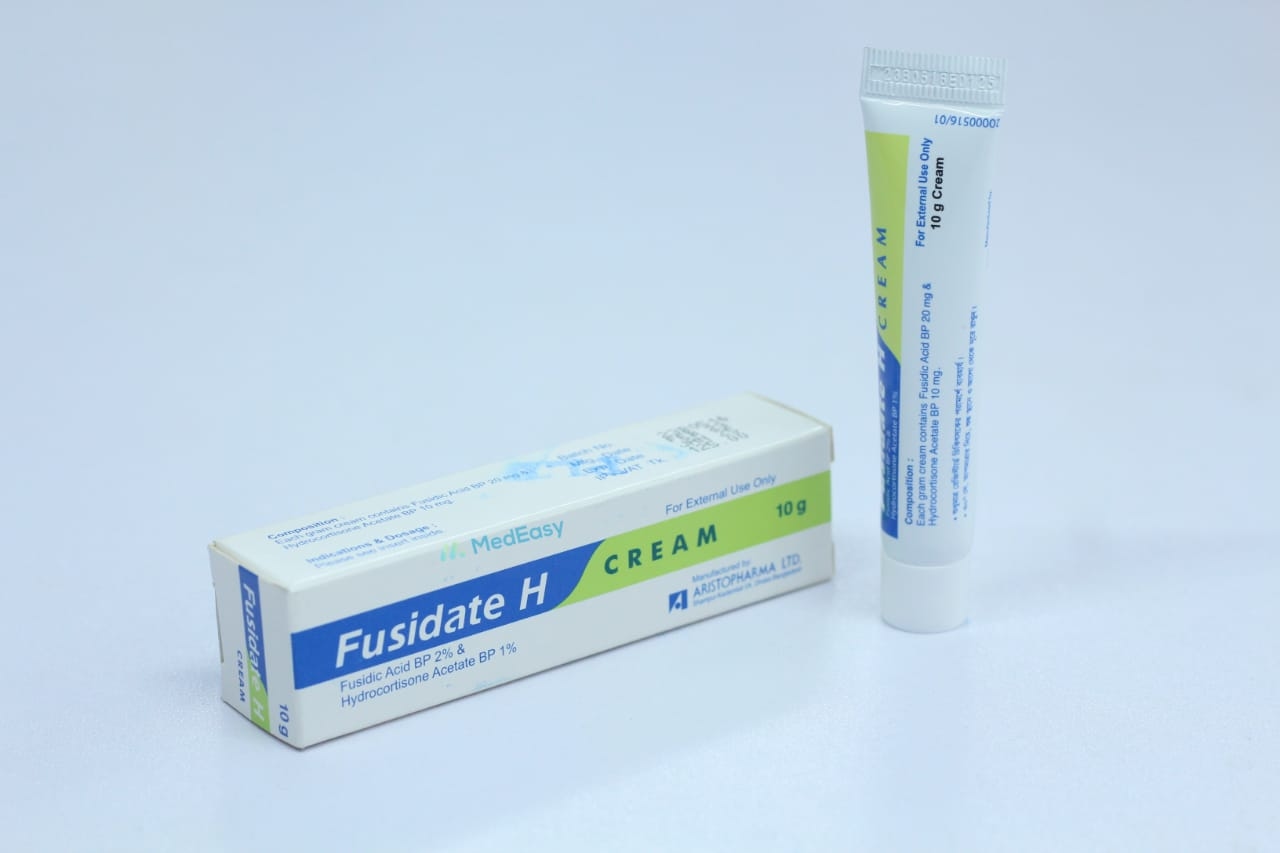
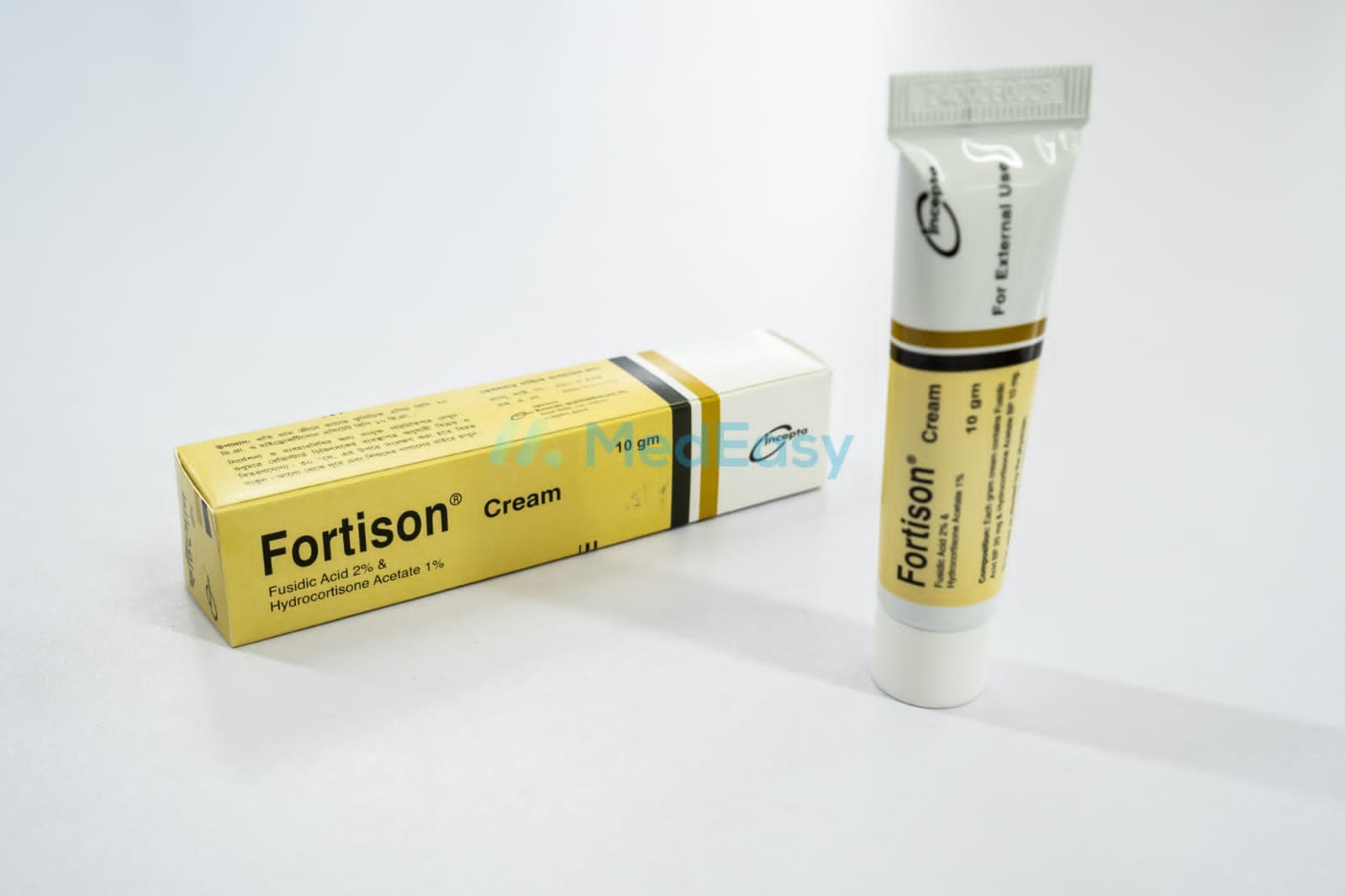
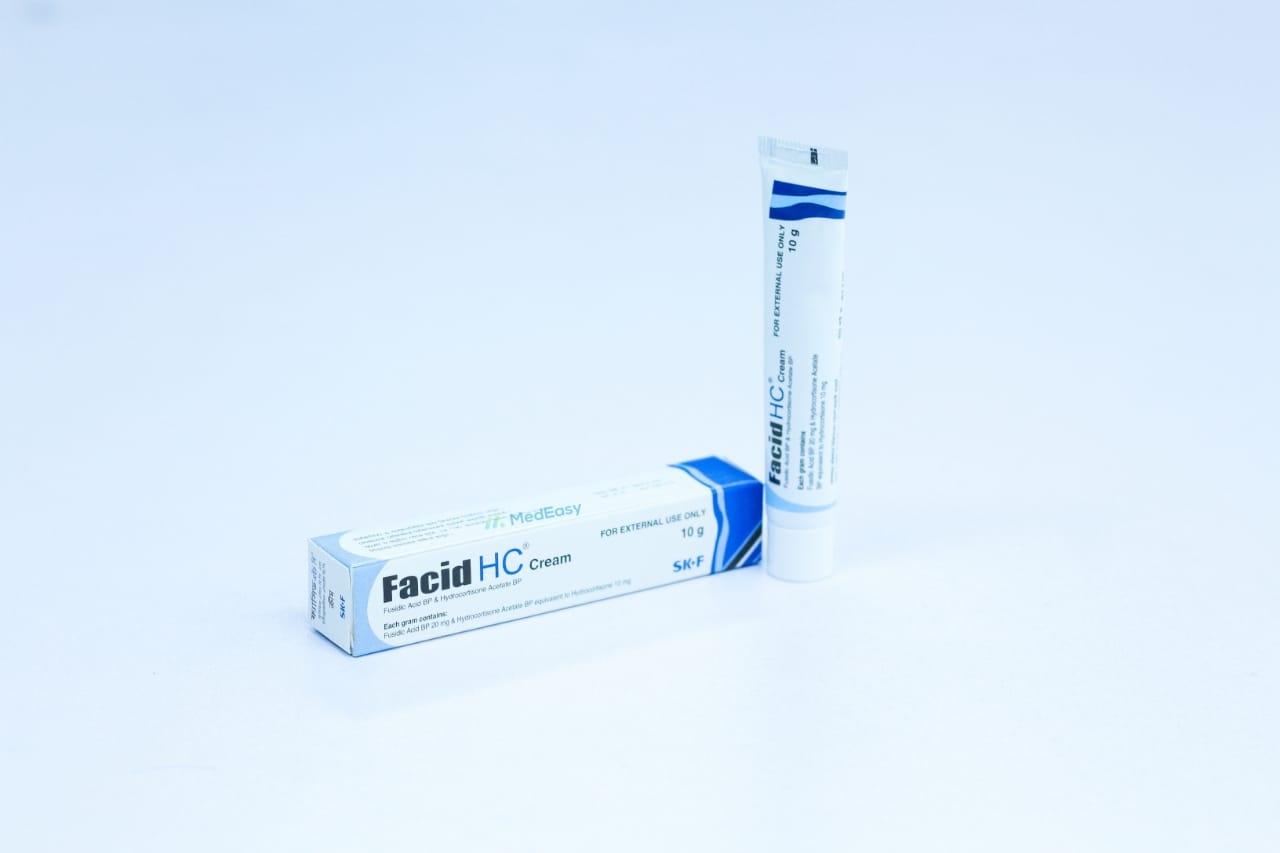
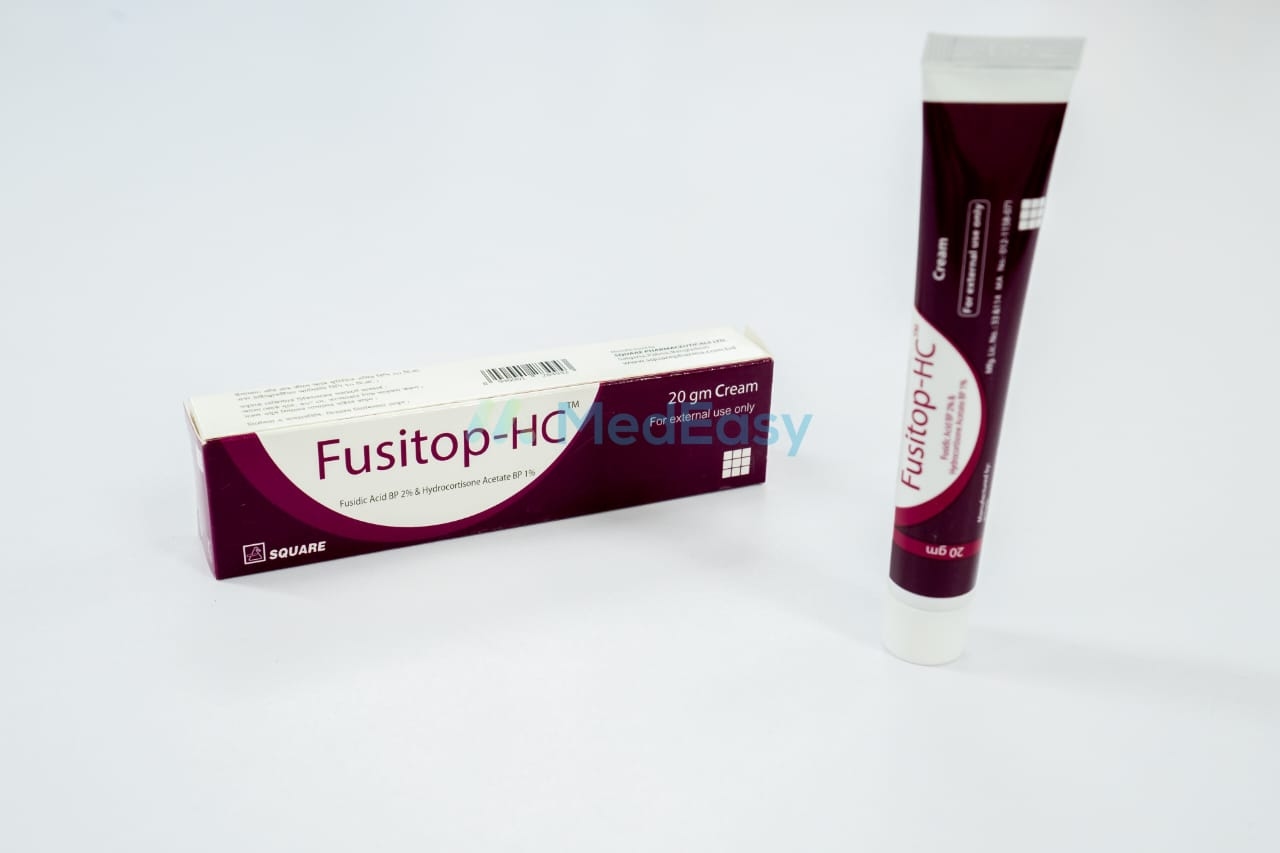
Fusidic acid + Hydrocortisone is a topical combination of an antibiotic (fusidic acid) and a corticosteroid (hydrocortisone) and more.

Forms:CreamOintment

About Fusidic acid + Hydrocortisone

Indications of Fusidic acid + Hydrocortisone

Fusidic acid + Hydrocortisone is a topical combination of an antibiotic (fusidic acid) and a corticosteroid (hydrocortisone), indicated for short-term treatment of inflammatory skin conditions that are infected, or likely to become infected, with fusidic-acid-sensitive bacteria (mainly Staphylococcus aureus).

Established/Approved Uses

  • Infected atopic dermatitis (eczema)
  • Infected contact dermatitis (irritant or allergic)
  • Infected discoid (nummular) eczema
  • Infected seborrhoeic dermatitis
  • Infected intertrigo and other localized infected inflammatory dermatoses where both antibacterial and anti-inflammatory action are required

Important Note on Use

Fusidic acid + Hydrocortisone is intended only for skin lesions where infection is present or strongly suspected alongside inflammation. It is not appropriate as a first-line treatment for uncomplicated (non-infected) eczema or dermatitis, where a corticosteroid alone is usually preferred, and it is not a substitute for a plain antibiotic when infection is present without significant inflammation.

Dosage & Administration of Fusidic acid + Hydrocortisone

Adults and Children

PopulationRecommended Use
AdultsApply a thin layer of Fusidic acid + Hydrocortisone to the affected area(s) 2–3 times daily, gently rubbing in.
ChildrenSame application technique as adults, generally for the shortest effective duration; use under medical supervision (see Use in Special Populations).

Treatment is usually continued for 7–14 days and should not normally exceed 2 weeks of continuous use (see Duration of Treatment and Precautions and Warnings). If there is no improvement within 1–2 weeks, or if the condition worsens, the prescriber should be consulted to reassess the diagnosis and treatment.

Take/use Fusidic acid + Hydrocortisone exactly as prescribed by your physician; do not stop, extend, skip applications, or share this medicine with others without medical advice, as inappropriate or prolonged use of the antibiotic component is a well-documented risk factor for bacterial resistance.

Side Effects of Fusidic acid + Hydrocortisone

Most side effects of Fusidic acid + Hydrocortisone are local and mild, especially with short-term use as directed.

  • Local burning, stinging, or itching at the application site
  • Skin dryness or irritation
  • Contact dermatitis or hypersensitivity reactions (uncommon)
  • Skin thinning (atrophy), stretch marks (striae), visible blood vessels (telangiectasia), or delayed wound healing with prolonged or excessive use of the corticosteroid component
  • Changes in skin pigmentation at the treated site
  • Development of antibiotic-resistant bacteria with prolonged or inappropriate use of the fusidic acid component (see Precautions and Warnings)
  • Rarely, signs of systemic corticosteroid absorption (e.g., in infants or with extensive/prolonged use) — see Use in Special Populations

Contraindications of Fusidic acid + Hydrocortisone

Fusidic acid + Hydrocortisone is contraindicated in patients with:

  • Known hypersensitivity to fusidic acid, hydrocortisone, or any excipient of the product
  • Untreated primary cutaneous viral infections at the site of application, including herpes simplex, varicella (chickenpox), and vaccinia
  • Tuberculous skin lesions or syphilitic skin lesions at the site of application
  • Acne vulgaris, rosacea, and perioral dermatitis, as the corticosteroid component can worsen these conditions

Frequently Asked Questions about Fusidic acid + Hydrocortisone

What is Fusidic acid + Hydrocortisone used for?

Fusidic acid + Hydrocortisone is a topical cream/ointment used to treat inflammatory skin conditions, such as infected eczema or dermatitis, where both an antibiotic (to treat or prevent bacterial infection, mainly Staphylococcus aureus) and a corticosteroid (to reduce inflammation, redness, and itching) are needed together.

How long can I use Fusidic acid + Hydrocortisone?

Fusidic acid + Hydrocortisone should generally be used for a short course of about 7 to 14 days, and typically not longer than 2 weeks continuously, unless your physician specifically advises otherwise. Prolonged use increases the risk of skin thinning and of the bacteria becoming resistant to fusidic acid, so always use it exactly as prescribed and do not extend treatment on your own.

Can I use Fusidic acid + Hydrocortisone on my face or near my eyes?

Fusidic acid + Hydrocortisone should be used with caution on facial skin and must be kept away from the eyes and mucous membranes, as accidental contact can cause irritation. It should not be used for acne, rosacea, or perioral dermatitis, as the corticosteroid component can worsen these conditions. Always follow your physician's specific instructions about where to apply it.

Is Fusidic acid + Hydrocortisone safe during pregnancy or breastfeeding?

Fusidic acid + Hydrocortisone should be used during pregnancy or breastfeeding only if clearly needed, in the smallest effective amount and for the shortest possible time, and only after consulting a physician, since data on its use in these situations are limited. Breastfeeding mothers should avoid applying it to the breast/nipple area.

Can Fusidic acid + Hydrocortisone be used in children?

Fusidic acid + Hydrocortisone can be used in children, but only under medical supervision and for the shortest effective duration, because children are more sensitive to systemic absorption of the corticosteroid component. Its safety in prolonged or extensive use in young infants has not been well established.

What side effects should I watch for with Fusidic acid + Hydrocortisone?

Common side effects of Fusidic acid + Hydrocortisone include mild burning, stinging, itching, or dryness at the application site. With prolonged or excessive use, it can cause skin thinning, stretch marks, or visible blood vessels, and may increase the risk of the bacteria becoming resistant to the antibiotic. If you notice a rash, increasing irritation, or signs of an allergic reaction, stop use and contact your physician.

Disclaimer

The information provided is accurate to the best of our knowledge, but it does not replace professional medical advice. We cannot guarantee its completeness or accuracy, and the absence of specific information about a drug should not be taken as an endorsement. We are not responsible for any consequences arising from this information, so please consult a healthcare professional for any concerns or questions.

DoctorBlogArticles