
Generic medicine

Gentamicin Sulfate: Brands, Price & Uses in Bangladesh

Gentamicin Sulfate is an aminoglycoside antibiotic available in Bangladesh as an injectable formulation (for systemic infections) and as topical/ophthalmic preparations (eye drops, eye ointment and more.

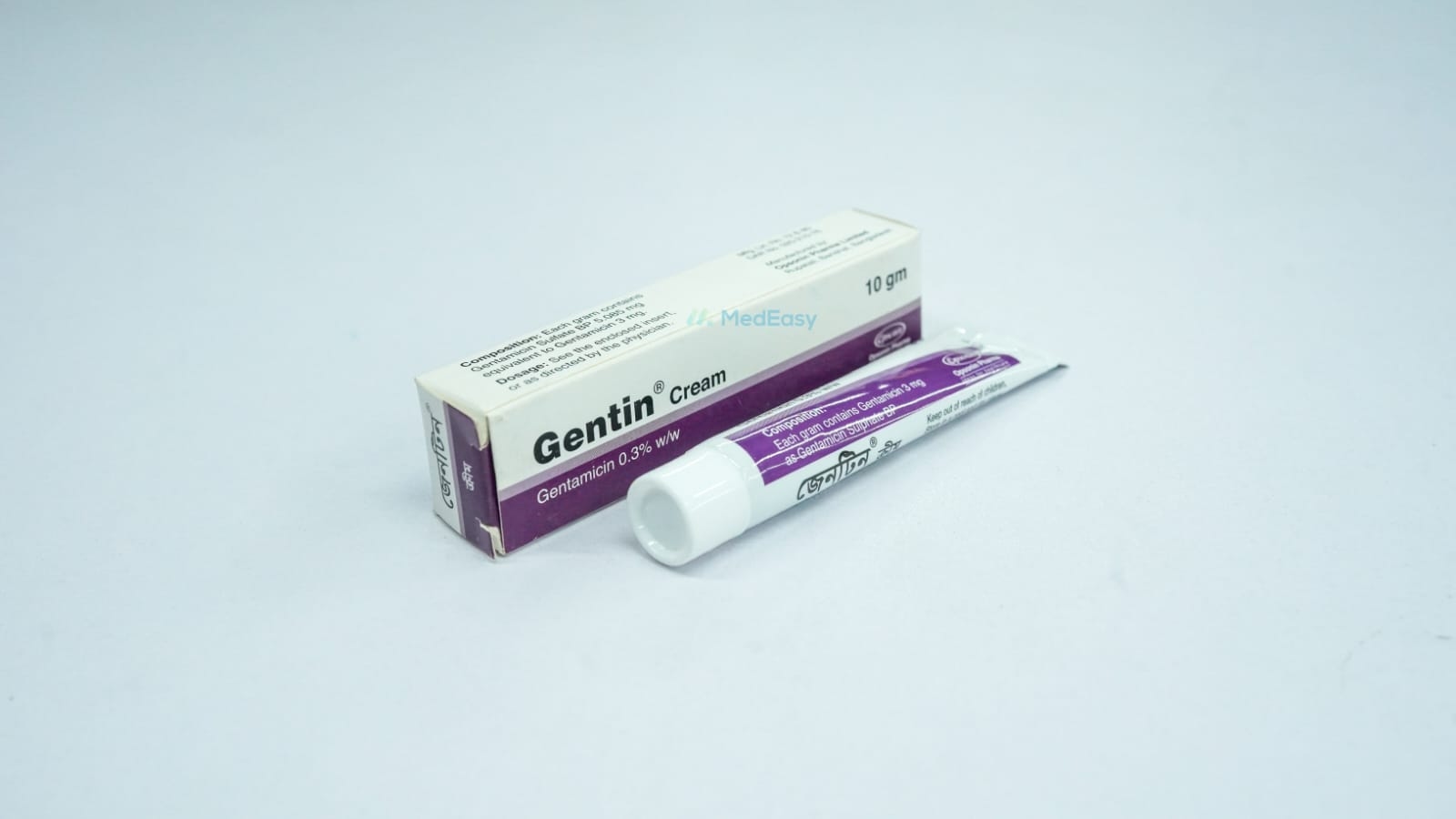
Forms:OintmentCreamIM/IV InjectionEye/Ear DropOphthalmic Ointment

About Gentamicin Sulfate

Indications of Gentamicin Sulfate

Gentamicin Sulfate is an aminoglycoside antibiotic available in Bangladesh as an injectable formulation (for systemic infections) and as topical/ophthalmic preparations (eye drops, eye ointment, and ear drops). Its uses differ significantly by formulation and route.

Injectable (Systemic) Use - FDA-Approved / Established

  • Serious infections caused by susceptible strains of gram-negative bacteria, including Pseudomonas aeruginosa, Escherichia coli, Klebsiella, Enterobacter, Serratia, Citrobacter, and indole-positive and indole-negative Proteus species
  • Septicemia (bloodstream infection)
  • Complicated and serious urinary tract infections
  • Bacterial meningitis (often as part of combination therapy)
  • Serious lower respiratory tract infections
  • Intra-abdominal infections, including peritonitis
  • Serious skin, bone, and soft-tissue infections, and infected burns

Combination therapy: Gentamicin Sulfate is frequently used together with a beta-lactam antibiotic (e.g., penicillin or ampicillin) for synergistic coverage against certain gram-positive organisms, such as in Staphylococcus aureus infections and streptococcal/enterococcal endocarditis. It should not be physically mixed in the same syringe or IV bag with beta-lactam antibiotics (see Drug Interactions).

Neonatal sepsis: Gentamicin Sulfate is a guideline-supported component of empiric combination therapy for suspected early-onset neonatal sepsis.

Topical/Ophthalmic Use - Established

  • Superficial bacterial infections of the eye caused by susceptible organisms, including conjunctivitis, blepharitis, blepharoconjunctivitis, keratitis, and corneal ulcers
  • Bacterial infections of the outer ear (otitis externa)
  • Susceptible superficial skin infections (topical cream/ointment forms)

Formulation choice should be guided by a physician based on the site and severity of infection; ophthalmic/topical forms are not effective for, and must never be substituted for, systemic infections.

Dosage & Administration of Gentamicin Sulfate

Dosing of Gentamicin Sulfate must always be individualized by a physician based on the indication, body weight, renal function, and (for systemic use) serum drug-level monitoring. Take exactly as prescribed by your physician; do not stop, extend, skip doses, or share this medicine with others without medical advice. The information below is general guidance and does not replace medical advice.

Indication / PopulationTypical Dosing
Adults with normal renal function (systemic infection)3 mg/kg/day intravenously or intramuscularly, in three equally divided doses every 8 hours; up to 5 mg/kg/day in three or four divided doses for life-threatening infections, reduced to 3 mg/kg/day as soon as clinically indicated
Children (systemic infection)2-2.5 mg/kg every 8 hours, adjusted by weight and renal function under physician supervision
Infants and neonates (systemic infection)Weight- and age-based dosing (commonly 4-5 mg/kg every 24-48 hours depending on gestational/postnatal age); must only be dosed by a physician experienced in neonatal care
Renal impairment (any age)Dose or dosing interval must be adjusted based on creatinine clearance and, where possible, guided by serum gentamicin levels; a physician/pharmacist should individualize this
Ophthalmic (eye) infection1-2 drops into the affected eye every 4 hours, increased up to every hour for severe infections; ophthalmic ointment applied 2-3 times daily
Otic (ear) infection2-4 drops into the affected ear 3-4 times daily, as directed by a physician
Topical skin infectionApply a thin layer of cream/ointment to the affected area 3-4 times daily

For systemic (injectable) therapy, duration is typically 7-10 days, guided by clinical response; longer courses increase the risk of nephrotoxicity and ototoxicity and require close monitoring (see Precautions and Warnings). Peak and trough serum concentration monitoring is recommended for systemic therapy, particularly beyond 3 days, in renal impairment, or in neonates and the elderly.

Side Effects of Gentamicin Sulfate

Side effects of Gentamicin Sulfate depend substantially on the route of administration.

Systemic (Injectable) Use

  • Nephrotoxicity: kidney damage, which is usually reversible if detected early and the drug is discontinued or the dose adjusted; risk increases with higher doses, longer duration, dehydration, pre-existing renal impairment, and concurrent nephrotoxic drugs.
  • Ototoxicity: damage to hearing (cochlear toxicity - tinnitus, hearing loss) and/or balance (vestibular toxicity - dizziness, vertigo, unsteadiness); this can be irreversible and may not appear until after treatment has ended.
  • Neuromuscular blockade: muscle weakness or, rarely, respiratory paralysis, especially with rapid infusion, high doses, or in patients with neuromuscular disorders.
  • Other reported effects: nausea, vomiting, rash, fever, headache, injection-site pain, and laboratory abnormalities (elevated liver enzymes, low magnesium/potassium/calcium).

Ophthalmic/Topical Use

  • Local burning, stinging, or itching upon instillation
  • Conjunctival redness (hyperemia) or irritation
  • Rarely, allergic/hypersensitivity skin reactions or delayed corneal healing with prolonged use

Contraindications of Gentamicin Sulfate

Gentamicin Sulfate is contraindicated in patients with a known history of hypersensitivity (allergic reaction) to gentamicin or any other aminoglycoside antibiotic.

Frequently Asked Questions about Gentamicin Sulfate

What is Gentamicin Sulfate used for?

Gentamicin Sulfate injection is used to treat serious infections caused by susceptible gram-negative bacteria, such as bloodstream infections, complicated urinary tract infections, and certain respiratory or abdominal infections. Ophthalmic and topical forms of Gentamicin Sulfate are used for bacterial eye, ear, and skin infections. Your physician will determine the correct formulation and duration for your condition.

Why does Gentamicin Sulfate require blood tests during treatment?

Systemic Gentamicin Sulfate has a narrow therapeutic index, meaning the effective dose is close to the toxic dose. Blood tests (serum drug levels and kidney function tests) help your physician ensure you are getting an effective dose while minimizing the risk of serious side effects such as kidney damage (nephrotoxicity) and hearing/balance damage (ototoxicity), some of which can be permanent.

Can Gentamicin Sulfate cause permanent hearing loss?

Yes. Ototoxicity is a well-recognized risk of systemic Gentamicin Sulfate therapy and, in some cases, can result in irreversible hearing loss or balance problems. Tell your physician immediately if you notice ringing in the ears, hearing changes, dizziness, or unsteadiness during treatment.

Is Gentamicin Sulfate safe during pregnancy?

Gentamicin Sulfate should be used during pregnancy only if clearly needed and if the potential benefit justifies the potential risk to the fetus, because aminoglycosides as a class have been linked to reports of fetal ototoxicity. Always consult your physician, who will weigh the risks and benefits for your specific situation before prescribing Gentamicin Sulfate during pregnancy.

Can I stop taking Gentamicin Sulfate early if I feel better?

No. Take Gentamicin Sulfate exactly as prescribed by your physician; do not stop, extend, skip doses, or share this medicine with others without medical advice. Stopping early can allow the infection to return or promote antibiotic resistance, while extending treatment unnecessarily increases the risk of toxicity.

Can Gentamicin Sulfate be used together with other antibiotics?

Yes, Gentamicin Sulfate is often combined with a beta-lactam antibiotic (such as penicillin) for certain serious infections because the combination can be more effective than either drug alone. However, the two medicines must not be physically mixed in the same syringe or IV bag, as beta-lactams can inactivate Gentamicin Sulfate. Always follow your physician's specific administration instructions.

Disclaimer

The information provided is accurate to the best of our knowledge, but it does not replace professional medical advice. We cannot guarantee its completeness or accuracy, and the absence of specific information about a drug should not be taken as an endorsement. We are not responsible for any consequences arising from this information, so please consult a healthcare professional for any concerns or questions.
DoctorBlogArticles