10% Off
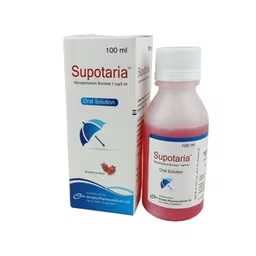
Glyriva50 mcg
Beximco Pharmaceuticals Ltd.
৳180.00
Add to cart
Glycopyrronium Bromide is a synthetic anticholinergic (antimuscarinic) agent used in several distinct clinical settings depending on its formulation.
Glycopyrronium Bromide is a synthetic anticholinergic (antimuscarinic) agent used in several distinct clinical settings depending on its formulation.
The exact indication and approved use depend on the specific formulation (injection, oral, or inhaled) — see Dosage and Administration for formulation-specific details.
Dosing of Glycopyrronium Bromide depends on the formulation and the indication being treated. The following is general guidance; always follow the specific product labeling and the prescribing physician's instructions.
| Indication | Adult Dose | Pediatric Dose |
|---|---|---|
| Preoperative antisialogogue/antisecretory | 0.004 mg/kg (4 mcg/kg) IM, 30–60 minutes before anesthesia induction | Similar weight-based dosing (4 mcg/kg IM), as directed by the anesthesiologist |
| Intraoperative (to counteract vagal reflexes/bradycardia) | 0.1 mg IV, repeated at 2–3 minute intervals as needed | Weight-based dosing as directed by the anesthesiologist; not established for routine use in neonates |
| Reversal of neuromuscular blockade (with neostigmine) | 0.2 mg Glycopyrronium Bromide for each 1 mg neostigmine, given IV simultaneously | As directed by the anesthesiologist |
| Indication | Dose |
|---|---|
| Chronic sialorrhea (children 3 years and older with neurologic conditions) | Started at a low weight-based dose given three times daily and titrated gradually upward by the physician to the lowest effective dose, based on response and tolerability, up to a maximum recommended dose set by the prescriber |
| Adjunct in peptic ulcer disease (adults, historical use) | Typically 1–2 mg two to three times daily, as directed by the physician |
One inhalation capsule (delivering the labeled dose) via the specific dry-powder inhaler device, once or twice daily depending on the product, for long-term maintenance of COPD. It is not for use with a spacer, and capsules must not be swallowed.
Glycopyrronium Bromide is eliminated largely by the kidneys; caution and possible dose reduction or an extended dosing interval are recommended in patients with significant renal impairment, particularly with the injectable and oral forms. Formal hepatic dose-adjustment guidance is not well established; use with caution in hepatic impairment.
Adverse effects of Glycopyrronium Bromide are mainly related to its anticholinergic action and are generally dose-related.
Glycopyrronium Bromide is contraindicated in patients with:
Disclaimer
The information provided is accurate to the best of our knowledge, but it does not replace professional medical advice. We cannot guarantee its completeness or accuracy, and the absence of specific information about a drug should not be taken as an endorsement. We are not responsible for any consequences arising from this information, so please consult a healthcare professional for any concerns or questions.