10% Off
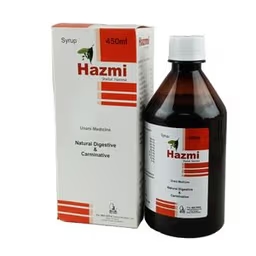
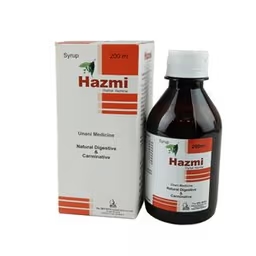
Hazmi200 ml
Ibn-Sina Pharmaceuticals Ltd.
৳103.50
Add to cart
Hazmina is a traditional (Unani/herbal-style) digestive formulation commonly used in South Asia for minor digestive complaints.
Hazmina is a traditional (Unani/herbal-style) digestive formulation commonly used in South Asia for minor digestive complaints. Its use is supported mainly by long-standing traditional practice rather than large controlled clinical trials, so indications are framed conservatively:
Hazmina is best regarded as a supportive/adjunct digestive aid for mild, self-limiting symptoms rather than a treatment for a diagnosed gastrointestinal disease. It is not a substitute for medical evaluation of persistent, severe, or recurrent gastrointestinal symptoms, unexplained weight loss, vomiting, black/bloody stools, or abdominal pain, which require assessment by a physician.
Dosage of Hazmina depends on the specific formulation (syrup, tablet, or granules) and manufacturer's product labeling. The following is general guidance; always follow the dose printed on the product pack or as directed by a physician/pharmacist.
| Population | Typical Dose | Frequency |
|---|---|---|
| Adults | 1-2 teaspoonfuls (syrup) or 1-2 tablets, per product labeling | 2-3 times daily, preferably after meals |
| Children (where a pediatric formulation/dose is specified on the label) | As specified on the product label; generally a reduced volume/dose compared to adults | 2-3 times daily, after meals, under adult supervision |
| Elderly | Same as adult dose unless otherwise advised | 2-3 times daily, after meals |
Hazmina is intended for short-term use for episodes of indigestion, gas, or loss of appetite. If symptoms do not improve within a few days, or worsen, a physician should be consulted rather than continuing self-treatment.
Hazmina is generally well tolerated when used as directed. Reported adverse effects are usually mild and infrequent:
If any persistent or concerning symptoms occur after taking Hazmina, discontinue use and consult a physician.
Hazmina is contraindicated in patients with known hypersensitivity to Hazmina or to any of its herbal/inactive components. There are no other well-established absolute contraindications documented for this traditional formulation; other cautions (e.g. pregnancy, young children) are addressed under Precautions and Warnings rather than as absolute contraindications.
Disclaimer
The information provided is accurate to the best of our knowledge, but it does not replace professional medical advice. We cannot guarantee its completeness or accuracy, and the absence of specific information about a drug should not be taken as an endorsement. We are not responsible for any consequences arising from this information, so please consult a healthcare professional for any concerns or questions.