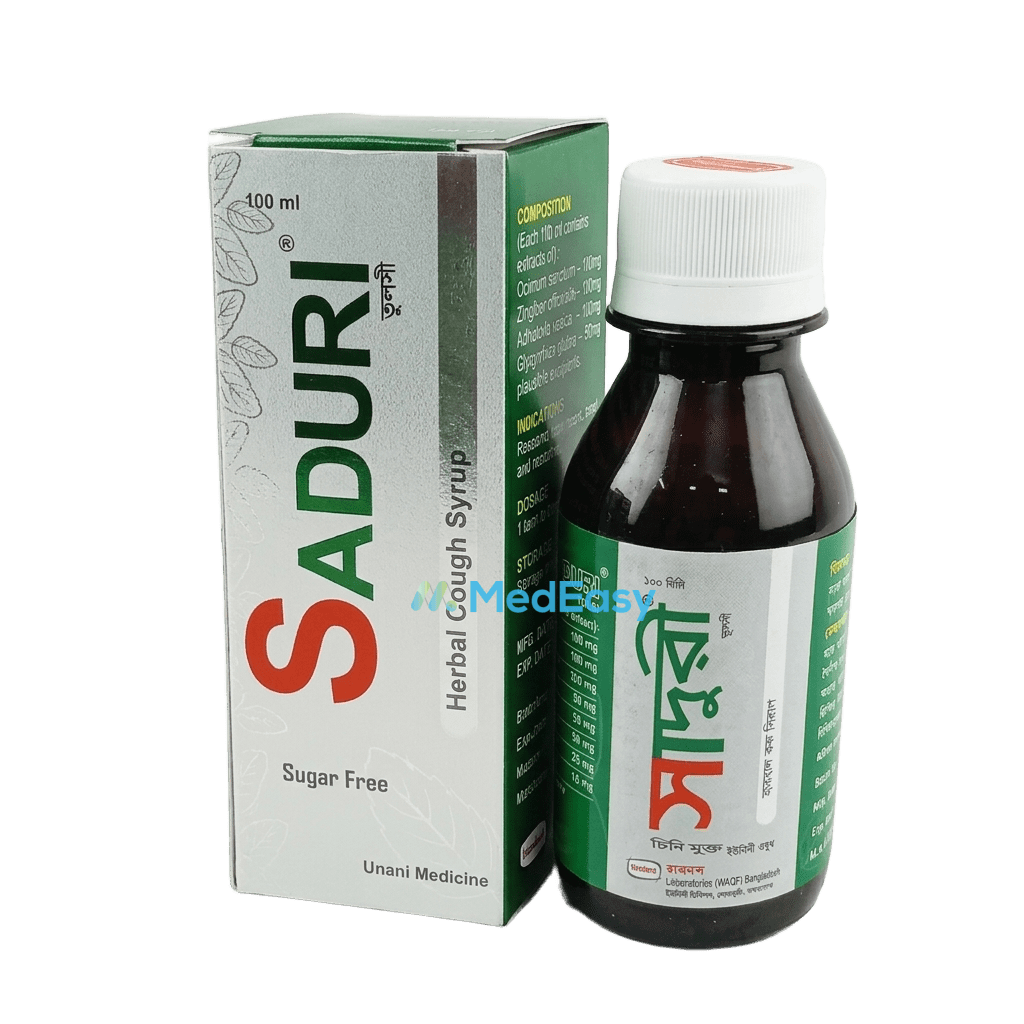
Generic medicine

Herbal cough syrup [Sharbat Tulsi]: Brands, Price & Uses in Bangladesh

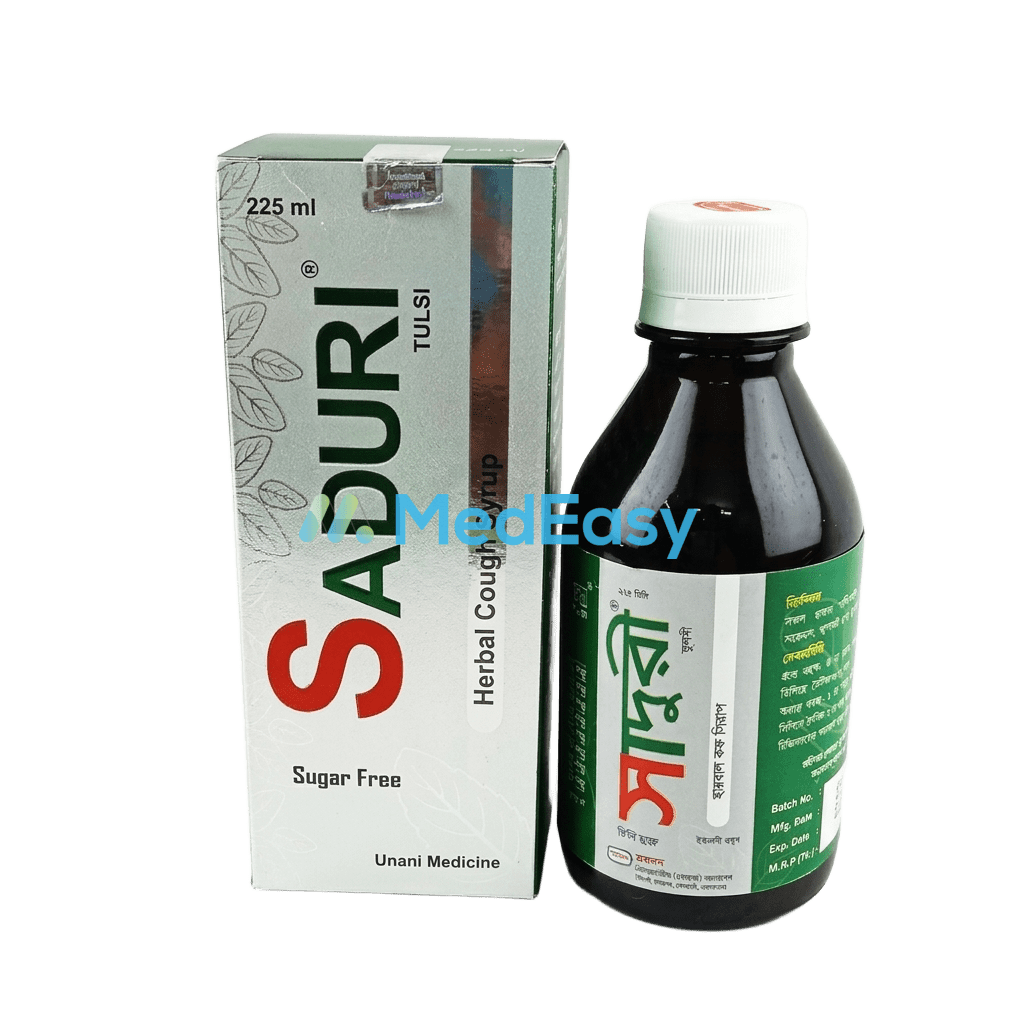
Herbal cough syrup [Sharbat Tulsi] is a traditional herbal preparation formulated with Tulsi (Holy Basil, Ocimum sanctum / Ocimum tenuiflorum ) as its principal ingredient and more.

Forms:Syrup

About Herbal cough syrup [Sharbat Tulsi]

Indications of Herbal cough syrup [Sharbat Tulsi]

Herbal cough syrup [Sharbat Tulsi] is a traditional herbal preparation formulated with Tulsi (Holy Basil, Ocimum sanctum/Ocimum tenuiflorum) as its principal ingredient, along with other traditional respiratory-supportive herbs depending on the specific formulation. It is used in South Asian traditional (Ayurvedic/Unani) medicine systems as a supportive remedy for:

  • Traditional/folk-supported uses: Symptomatic relief of ordinary cough, throat irritation, and common cold symptoms.
  • Adjunct use: As a supportive/adjunct measure alongside rest, hydration, and standard care for mild upper respiratory tract discomfort - not as a substitute for prescribed cough or cold medication when one is indicated.

These uses are based on long-standing traditional use and limited modern clinical evidence rather than robust randomized controlled trial data; Herbal cough syrup [Sharbat Tulsi] is not a substitute for medical evaluation of persistent, severe, or worsening respiratory symptoms.

Dosage & Administration of Herbal cough syrup [Sharbat Tulsi]

Dosage of Herbal cough syrup [Sharbat Tulsi] varies by brand/formulation strength; always follow the specific product's package insert or a physician's/pharmacist's advice. General traditional dosing guidance is as follows:

PopulationTypical DoseFrequency
Adults5-10 mL2-3 times daily, or as directed on the product label
Children (above 6 years)2.5-5 mL2-3 times daily, or as directed by a physician/pharmacist
Children (below 6 years)Not recommended without physician guidance-

Administration: Take orally, undiluted or with a small amount of water, preferably after meals. Shake the bottle well before use. Use the measuring cup/spoon provided with the product. Do not exceed the labeled dose. If cough persists beyond 7 days, worsens, or is accompanied by fever, breathlessness, or blood in sputum, discontinue use and seek medical evaluation.

Side Effects of Herbal cough syrup [Sharbat Tulsi]

Herbal cough syrup [Sharbat Tulsi] is generally well tolerated in traditional use; however, as with any herbal product, adverse effects can occur, including:

  • Mild gastrointestinal upset (nausea, stomach discomfort) with excessive intake
  • Allergic reactions (skin rash, itching, or, rarely, more severe hypersensitivity reactions) in sensitive individuals
  • Mild dizziness or headache (uncommonly reported with concentrated Tulsi extract use)

Discontinue use and seek medical advice if any unusual or persistent symptoms occur after taking Herbal cough syrup [Sharbat Tulsi].

Contraindications of Herbal cough syrup [Sharbat Tulsi]

Herbal cough syrup [Sharbat Tulsi] is contraindicated in individuals with known hypersensitivity to Tulsi (Ocimum sanctum) or to any other component of the specific formulation.

Frequently Asked Questions about Herbal cough syrup [Sharbat Tulsi]

What is Herbal cough syrup [Sharbat Tulsi] used for?

Herbal cough syrup [Sharbat Tulsi] is a traditional herbal preparation based on Tulsi (Holy Basil) used for symptomatic relief of mild cough, throat irritation, and common cold symptoms, as a supportive/adjunct remedy alongside rest and hydration.

Is Herbal cough syrup [Sharbat Tulsi] safe during pregnancy?

Robust safety data on concentrated Tulsi extract preparations like Herbal cough syrup [Sharbat Tulsi] during pregnancy are limited, and some sources raise theoretical concerns about uterine-stimulant effects of concentrated Tulsi extracts at high doses. It should be used during pregnancy only if clearly needed and only after consulting a physician.

Can children take Herbal cough syrup [Sharbat Tulsi]?

Use in children below 6 years is not recommended without physician guidance, as safety and dosing have not been well established for this age group. In children above 6 years, it may be used at reduced, age-appropriate doses, but a doctor should be consulted for severe or persistent symptoms.

Can diabetic patients use Herbal cough syrup [Sharbat Tulsi]?

Many formulations of Herbal cough syrup [Sharbat Tulsi] use a sugar-based syrup base, so diabetic patients should check the product label, consider a sugar-free formulation if available, and monitor blood glucose, since Tulsi may also have a mild blood-glucose-lowering effect that could add to the effect of antidiabetic medicines.

What if my cough does not improve with Herbal cough syrup [Sharbat Tulsi]?

If cough persists beyond about 7 days, recurs, or is accompanied by high fever, breathlessness, chest pain, blood in sputum, or unexplained weight loss, stop relying on Herbal cough syrup [Sharbat Tulsi] alone and seek prompt medical evaluation, as these symptoms may indicate a condition needing specific diagnosis and treatment.

What should I do if I take too much Herbal cough syrup [Sharbat Tulsi]?

If a large accidental overdose occurs, or concerning symptoms develop after taking more than the recommended dose (especially in a young child), seek immediate medical attention or contact emergency services/a poison control center rather than treating it at home.

Disclaimer

The information provided is accurate to the best of our knowledge, but it does not replace professional medical advice. We cannot guarantee its completeness or accuracy, and the absence of specific information about a drug should not be taken as an endorsement. We are not responsible for any consequences arising from this information, so please consult a healthcare professional for any concerns or questions.
DoctorBlogArticles