Generic medicine

Hyaluronic Acid: Brands, Price & Uses in Bangladesh

Established / Approved Uses Knee osteoarthritis (viscosupplementation): Hyaluronic Acid (sodium hyaluronate) given by intra-articular injection is indicated for symptomatic relief of pain in knee…

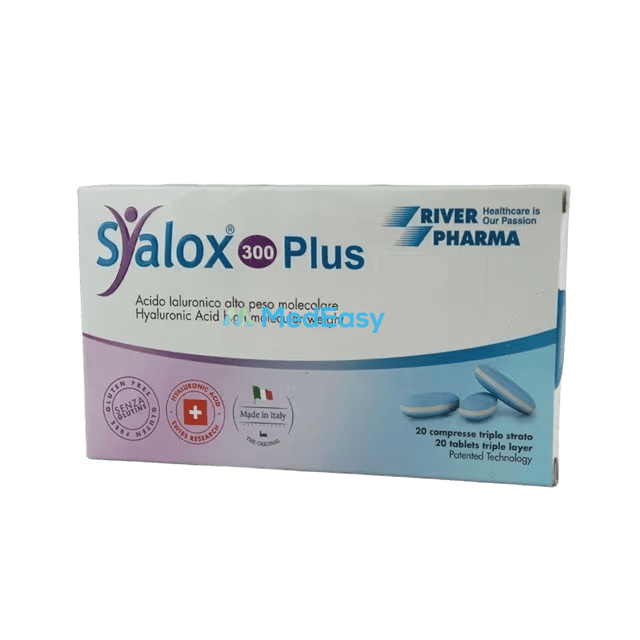
Forms:Tablet

About Hyaluronic Acid

Indications of Hyaluronic Acid

Established / Approved Uses

  • Knee osteoarthritis (viscosupplementation): Hyaluronic Acid (sodium hyaluronate) given by intra-articular injection is indicated for symptomatic relief of pain in knee osteoarthritis in patients who have not responded adequately to conservative non-pharmacologic therapy and simple analgesics (e.g., acetaminophen).
  • Ophthalmic surgery (viscoelastic aid): Sterile Hyaluronic Acid solutions are used as ophthalmic viscosurgical devices during anterior segment surgery (cataract extraction/intraocular lens implantation, corneal transplantation, glaucoma filtration surgery, and retinal detachment repair) to maintain the anterior chamber, protect corneal endothelium and other ocular tissues, and facilitate surgical manipulation.
  • Dry eye relief: Low-concentration Hyaluronic Acid ophthalmic solutions (artificial tears) are used to lubricate the eye and relieve symptoms of dry eye syndrome.

Widely Used, Guideline/Device-Supported (Cosmetic)

  • Dermal filler: Cross-linked Hyaluronic Acid gel is injected into the dermis/subdermis for correction of facial wrinkles and folds, lip augmentation, and restoration of facial volume loss.

Adjunct / Supportive Use

  • Topical skin care and wound dressings: Hyaluronic Acid is used topically in creams, gels, and wound dressings to promote a moist healing environment and skin hydration, as an adjunct to standard wound care.

Off-Label / Less Established Use

  • Oral supplementation: Oral Hyaluronic Acid is marketed as a dietary supplement for skin hydration and joint comfort; evidence is limited and it is not an approved drug indication.
  • Intravesical instillation: Hyaluronic Acid bladder instillation has been used off-label for interstitial cystitis/bladder pain syndrome in some settings; evidence is limited and it is not a standard first-line therapy.

Dosage & Administration of Hyaluronic Acid

Dosing and administration of Hyaluronic Acid depend entirely on the specific formulation and clinical indication. Hyaluronic Acid for injectable or intraocular use must be administered by a qualified physician under aseptic technique; it is not for patient self-administration.

IndicationTypical Regimen
Knee osteoarthritis (intra-articular injection)One injection directly into the knee joint, repeated weekly for a course of 1 (single extended-release product), 3, or 5 injections depending on the specific product; a repeat course may be considered after several months per physician judgment.
Ophthalmic surgery (viscosurgical device)Instilled into the anterior chamber (or relevant ocular space) by the operating surgeon in the amount needed to maintain space and protect tissue during the procedure; residual product is typically removed/irrigated out at the end of surgery.
Dry eye (lubricant drops)Typically 1 drop in the affected eye(s) as needed for symptom relief, per product labeling; can be used several times daily.
Dermal fillerInjected into the dermis/subdermis at the treatment site by a trained provider; volume and technique depend on the area treated and desired correction.
Topical/oral (skin, wound care)Applied or taken per product-specific instructions; not standardized as a prescription regimen.

See Dosage and Administration for indication-specific timing; see Precautions and Warnings for injection-technique safety points.

Side Effects of Hyaluronic Acid

Intra-Articular Injection (Knee)

  • Injection-site pain, swelling, warmth, redness, or joint effusion (most common)
  • Arthralgia (joint pain/stiffness after injection)
  • Rare: acute local inflammatory reaction ("pseudosepsis"), joint infection

Ophthalmic Use

  • Transient increase in intraocular pressure after surgery
  • Postoperative inflammation or corneal edema (usually related to the surgical procedure itself)

Dermal Filler

  • Injection-site bruising, swelling, redness, tenderness, or lumps/nodules
  • Rare but serious: vascular occlusion causing skin necrosis, or, very rarely, vision changes if injected near vessels supplying the eye — seek urgent medical care for sudden pain, blanching, or vision changes after filler injection

Topical/Oral Use

  • Generally well tolerated; mild local irritation (topical) or gastrointestinal upset (oral) may rarely occur

Contraindications of Hyaluronic Acid

  • Known hypersensitivity to Hyaluronic Acid, sodium hyaluronate, or any component of the specific Hyaluronic Acid product (including hypersensitivity to avian proteins, feathers, or egg products for avian-derived preparations).
  • Active infection or significant skin disease/infection at or near the intended injection or application site (for intra-articular, dermal filler, or ophthalmic use).

Frequently Asked Questions about Hyaluronic Acid

What is Hyaluronic Acid used for?

Hyaluronic Acid is most commonly used as an injection into the knee joint to relieve pain from knee osteoarthritis in people who have not responded well to simple pain relievers or physical therapy. It is also used during eye surgery to protect delicate eye tissue, in lubricating eye drops for dry eyes, and as an injectable filler to restore facial volume and reduce wrinkles.

Is Hyaluronic Acid an antibiotic or a painkiller?

No. Hyaluronic Acid is not an antibiotic and not a conventional painkiller. It is a naturally occurring joint and skin lubricant; when injected into the knee it works mechanically and biologically to improve joint cushioning, which may reduce pain over time.

How many Hyaluronic Acid injections will I need for my knee?

This depends on the specific product your doctor uses — some are given as a single injection, while others are given weekly for 3 to 5 injections. Your physician will determine the right course for you.

Is it safe to use Hyaluronic Acid during pregnancy?

Data on Hyaluronic Acid use during pregnancy are limited. It should be used during pregnancy only if clearly needed and if your doctor decides the potential benefit outweighs any potential risk; elective/cosmetic uses such as dermal fillers are generally not recommended during pregnancy. Always consult your physician first.

What are the common side effects of Hyaluronic Acid injections?

The most common side effects are temporary pain, swelling, warmth, or fluid buildup at the injection site (for knee injections) or bruising and swelling (for dermal fillers). Serious reactions such as infection or, very rarely with fillers, blood vessel blockage are uncommon but require prompt medical attention.

Can Hyaluronic Acid be used in children?

Hyaluronic Acid injections for knee osteoarthritis and dermal fillers are not intended for children, as these conditions and cosmetic procedures generally do not apply to pediatric patients. Ophthalmic and topical uses may be considered in children only under a doctor's guidance, as safety data in this age group are limited.

Disclaimer

The information provided is accurate to the best of our knowledge, but it does not replace professional medical advice. We cannot guarantee its completeness or accuracy, and the absence of specific information about a drug should not be taken as an endorsement. We are not responsible for any consequences arising from this information, so please consult a healthcare professional for any concerns or questions.

DoctorBlogArticles