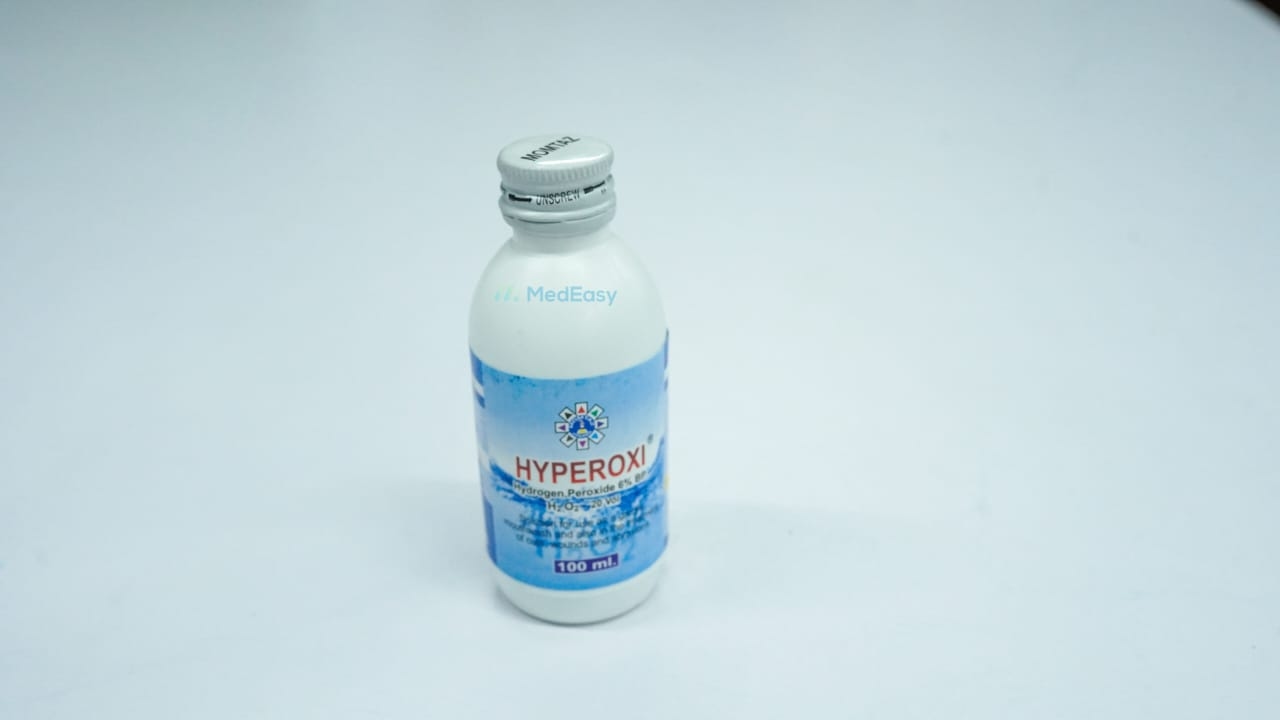
Generic medicine

Hydrogen peroxide: Brands, Price & Uses in Bangladesh

Hydrogen peroxide topical solution (typically 3% w/v) is an FDA OTC-monograph antiseptic/oxidizing agent with the following established uses: First-line, well-established use: Cleansing of minor cuts and more.

Forms:Solution

About Hydrogen peroxide

Indications of Hydrogen peroxide

Hydrogen peroxide topical solution (typically 3% w/v) is an FDA OTC-monograph antiseptic/oxidizing agent with the following established uses:

  • First-line, well-established use: Cleansing of minor cuts, scrapes, and minor skin wounds to help prevent infection.
  • Established OTC use (diluted mouth rinse): Temporary relief of minor mouth and gum irritation (e.g. from minor oral inflammation) and mechanical debridement/effervescent cleansing of the oral cavity, typically diluted with an equal amount of water.
  • Established otic use (dedicated ear-drop formulations only): Softening and removal of excessive ear wax (cerumen), only when the formulation is specifically labeled for otic use.

Hydrogen peroxide is an antiseptic, not an antibiotic; it does not treat deep or systemic infections.

Dosage & Administration of Hydrogen peroxide

Wound/skin cleansing

Apply a small amount of Hydrogen peroxide solution directly to the affected area up to 3 times daily, or as directed by a physician. Do not use for more than 7 days continuously without medical advice.

Oral rinse (minor mouth/gum irritation)

Dilute Hydrogen peroxide solution with an equal amount of water; rinse the mouth around the affected area for about 1 minute, then spit out. Use up to 4 times daily, after meals, for no more than 7 days unless directed by a dentist or physician.

Ear wax softening (otic products only)

Use only a formulation specifically labeled for ear use. Tilt the head and instill the labeled number of drops into the ear canal; keep the head tilted for a few minutes, as directed on the product label or by a physician. Do not use for more than 4 consecutive days without medical advice.

See Precautions and Warnings for situations in which Hydrogen peroxide should not be used.

Side Effects of Hydrogen peroxide

Most side effects of Hydrogen peroxide are local and mild:

  • Transient stinging, burning, or effervescence/foaming at the application site.
  • Temporary whitening (blanching) of the skin or mucosa.
  • Local irritation or allergic contact dermatitis (uncommon).
  • With prolonged/frequent oral rinse use: irritation of oral mucosa and, rarely, "black/hairy tongue" (hypertrophy of tongue papillae).
  • With prolonged/repeated use on open wounds: delayed wound healing due to effects on newly forming tissue.

Rare but serious: if Hydrogen peroxide is forced into a closed wound cavity, body space, or under high pressure (a risk mainly with wound irrigation in clinical settings, not routine home use), oxygen gas embolism can occur — a medical emergency. See Precautions and Warnings.

Contraindications of Hydrogen peroxide

Hydrogen peroxide is contraindicated in:

  • Known hypersensitivity to Hydrogen peroxide or any component of the formulation.
  • Deep puncture wounds, serious burns, animal/human bites, or any wound requiring medical evaluation and closure — professional care should be sought instead.
  • Application to the eyes.

Frequently Asked Questions about Hydrogen peroxide

What is Hydrogen peroxide used for?

Hydrogen peroxide is a topical antiseptic used mainly to clean minor cuts and scrapes, as a diluted mouth rinse for minor mouth/gum irritation, and (in dedicated otic formulations) to soften ear wax.

Can I use Hydrogen peroxide on every wound?

No. Hydrogen peroxide should only be used on minor cuts and scrapes. Do not use it on deep, puncture, or serious wounds, animal or human bites, or wounds that look infected — these need medical evaluation.

Is it safe to use Hydrogen peroxide on a wound every day?

Repeated, prolonged use of Hydrogen peroxide directly on an open wound can delay healing, so it is generally recommended only for initial cleaning, not for ongoing daily wound care; saline is often preferred for routine cleansing. Stop and see a doctor if the wound is not improving within about 7 days.

What happens if I accidentally swallow Hydrogen peroxide?

Swallowing household-strength Hydrogen peroxide can cause mouth/throat/stomach irritation, nausea, vomiting, and foaming; swallowing concentrated solutions can cause serious injury. Seek immediate medical attention or contact a poison control center if Hydrogen peroxide is swallowed.

Can pregnant or breastfeeding women use Hydrogen peroxide?

Hydrogen peroxide should be used in pregnancy or while breastfeeding only if clearly needed, as directed, and after consulting a physician, since formal safety data is limited.

Can Hydrogen peroxide be used in children?

Hydrogen peroxide can be used on minor skin wounds in children under adult supervision, but oral rinse use is generally not recommended in young children who might swallow it, and a physician or dentist should be consulted first.

Disclaimer

The information provided is accurate to the best of our knowledge, but it does not replace professional medical advice. We cannot guarantee its completeness or accuracy, and the absence of specific information about a drug should not be taken as an endorsement. We are not responsible for any consequences arising from this information, so please consult a healthcare professional for any concerns or questions.

DoctorBlogArticles