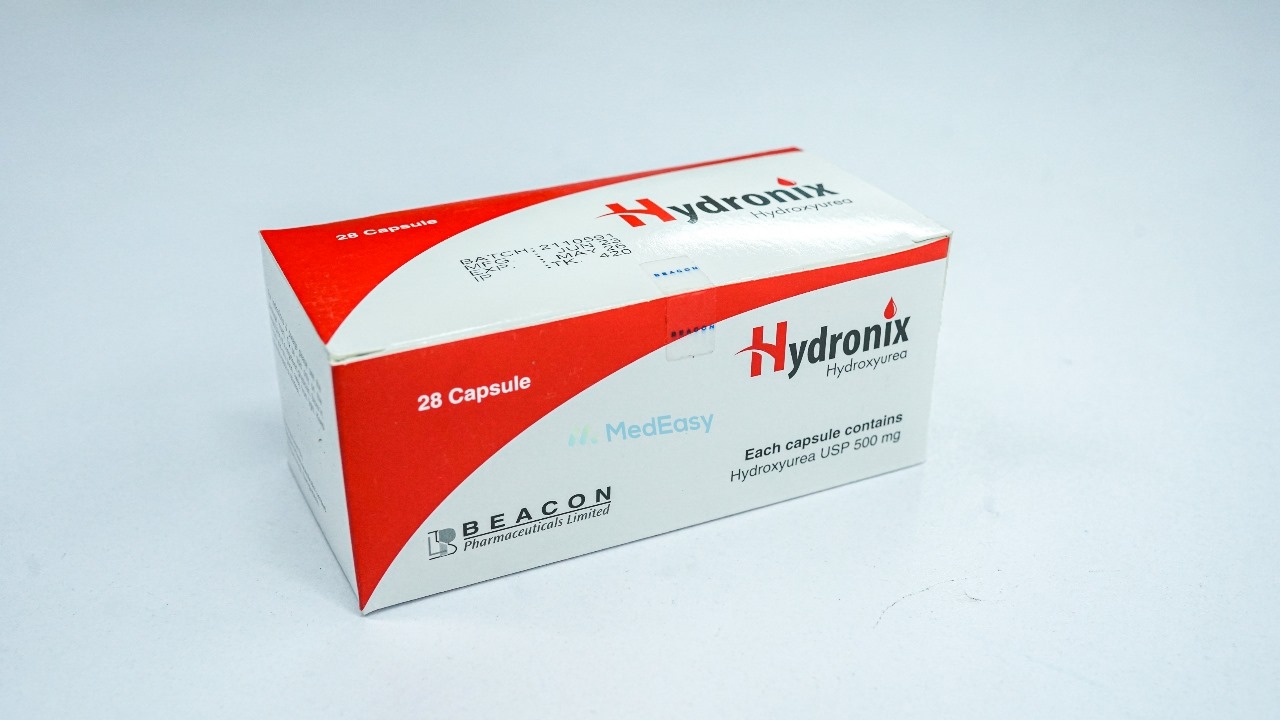
Generic medicine

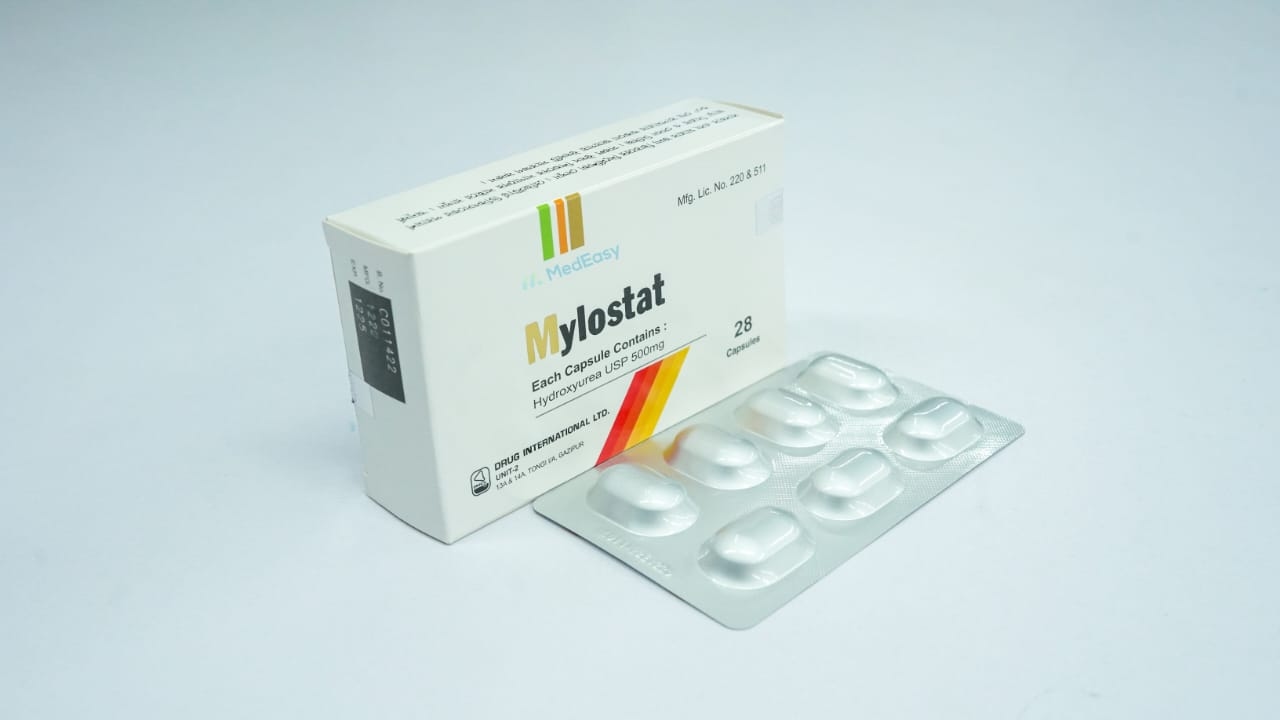
Hydroxyurea: Brands, Price & Uses in Bangladesh

Hydroxyurea is an antimetabolite (ribonucleotide reductase inhibitor) with the following evidence-based indications: Established / FDA-approved uses Sickle cell disease (SCD): Reduces the frequency…

Forms:Capsule

About Hydroxyurea

Indications of Hydroxyurea

Hydroxyurea is an antimetabolite (ribonucleotide reductase inhibitor) with the following evidence-based indications:

Established / FDA-approved uses

  • Sickle cell disease (SCD): Reduces the frequency of painful vaso-occlusive crises and the need for blood transfusions in adults and children with SCD, primarily by inducing fetal hemoglobin (HbF) production.
  • Chronic myeloid leukemia (CML): Used for cytoreduction, particularly during the initial control of leukocyte counts before or alongside definitive therapy.
  • Essential thrombocythemia and polycythemia vera: Used to reduce platelet or red cell counts and thrombotic risk in these myeloproliferative disorders, especially in high-risk patients.

Guideline-supported / combination uses

  • Locally advanced squamous cell carcinoma of the head and neck and carcinoma of the cervix: Used as part of combination regimens with radiation therapy; not effective as monotherapy for these indications.

Off-label uses (commonly reported, not FDA-approved)

  • Refractory psoriasis (second-line, when standard therapies fail).
  • Selected myeloproliferative neoplasms and hypereosinophilic syndromes, under specialist supervision.

Use of Hydroxyurea should always be directed and monitored by a qualified physician, typically a hematologist or oncologist.

Dosage & Administration of Hydroxyurea

Sickle Cell Disease (Adults and Pediatric ≥ 2 years)

PopulationStarting DoseTitration
Adults15 mg/kg/day orally, once dailyMay increase by 5 mg/kg/day every 8-12 weeks (up to 35 mg/kg/day) based on blood counts and response, with regular CBC monitoring
Pediatric (2 years and older)Weight-based dosing per current labeling, generally starting around 20 mg/kg/dayAdjusted based on hematologic response and tolerance; requires specialist supervision

Chronic Myeloid Leukemia

Typically 20-30 mg/kg/day as a single daily dose, adjusted according to leukocyte counts and response; continuous monitoring required.

Essential Thrombocythemia / Polycythemia Vera

Initial dosing individualized (commonly around 15-20 mg/kg/day), titrated to target platelet or hematocrit levels under specialist guidance.

Head and Neck / Cervical Cancer (combination therapy)

Dosed per specific combination chemoradiation protocols; refer to the treating oncologist's regimen.

Renal Impairment

Dose reduction is required in patients with significant renal impairment (e.g., creatinine clearance below 60 mL/min); consult a physician for individualized dose adjustment and closer monitoring.

Hepatic Impairment

Use with caution; dose adjustment may be needed, particularly in severe hepatic impairment, though formal dosing guidelines are limited.

General Administration

Hydroxyurea should be taken exactly as prescribed by a physician, at the same time each day, with or without food, and swallowed whole with water (capsules should not be opened, chewed, or crushed due to the risk of exposure to cytotoxic powder). Do not stop, extend, skip doses, or share this medicine with others without medical advice; regular blood count monitoring is essential throughout treatment.

Side Effects of Hydroxyurea

Boxed warnings associated with Hydroxyurea include myelosuppression, secondary leukemia risk, cutaneous vasculitic toxicities, and embryo-fetal toxicity (detailed further under Precautions and Warnings, and Pregnancy and Lactation).

Common side effects

  • Myelosuppression (leukopenia, anemia, thrombocytopenia) - the most common dose-limiting effect
  • Macrocytosis (usually a benign, expected finding rather than a sign of vitamin deficiency)
  • Gastrointestinal disturbances: nausea, vomiting, diarrhea, constipation, stomatitis
  • Skin changes: rash, hyperpigmentation, scaling, alopecia, and dryness
  • Headache and fever

Less common but serious effects

  • Cutaneous vasculitic ulcerations and, rarely, gangrene (see Precautions and Warnings)
  • Secondary skin malignancies with long-term use
  • Secondary leukemia with prolonged therapy in myeloproliferative disease
  • Pulmonary toxicity (interstitial lung disease) - rare

Patients should promptly report unusual bruising, bleeding, fever, skin ulcers, or persistent illness to their physician.

Contraindications of Hydroxyurea

Hydroxyurea is contraindicated in patients with:

  • Known hypersensitivity to Hydroxyurea or any component of the formulation.
  • Severe bone marrow suppression (marked leukopenia, thrombocytopenia, or severe anemia) at baseline.

Frequently Asked Questions about Hydroxyurea

What is Hydroxyurea used for?

Hydroxyurea is most commonly used to reduce painful crises in sickle cell disease and to control blood cell counts in certain blood disorders such as chronic myeloid leukemia, essential thrombocythemia, and polycythemia vera. It is also used with radiation for some head and neck and cervical cancers.

How should I take Hydroxyurea?

Take Hydroxyurea exactly as prescribed by your physician, usually once daily at the same time, swallowing the capsule whole with water without opening or crushing it. Do not stop, extend, skip doses, or share this medicine with others without medical advice.

What are the most important side effects to watch for?

Hydroxyurea commonly lowers blood cell counts (white cells, red cells, and platelets), so regular blood tests are required during treatment. Report fever, unusual bleeding or bruising, or new skin ulcers to your doctor immediately, as these can signal serious complications.

Can Hydroxyurea be used during pregnancy?

Hydroxyurea can harm a developing fetus and should be used in pregnancy only if clearly needed and the potential benefit outweighs the potential risk, under close physician supervision. Women and men of reproductive potential should use effective contraception during treatment.

Is it safe to breastfeed while taking Hydroxyurea?

Hydroxyurea passes into breast milk and breastfeeding is generally not recommended during treatment due to potential harm to the infant. Discuss safe feeding options with your physician.

What should I do if I miss a dose or suspect an overdose?

If you miss a dose of Hydroxyurea, contact your physician for guidance rather than doubling the next dose. If an overdose is suspected, seek immediate medical attention or contact a poison control center right away.

Disclaimer

The information provided is accurate to the best of our knowledge, but it does not replace professional medical advice. We cannot guarantee its completeness or accuracy, and the absence of specific information about a drug should not be taken as an endorsement. We are not responsible for any consequences arising from this information, so please consult a healthcare professional for any concerns or questions.
DoctorBlogArticles