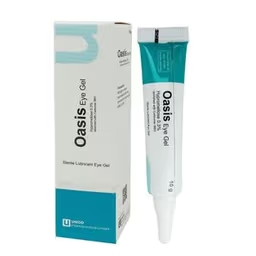
Generic medicine

Hypromellose: Brands, Price & Uses in Bangladesh

Hypromellose is an ophthalmic lubricant (artificial tear substitute) used to relieve eye dryness and irritation.

Forms:Ophthalmic GelOphthalmic Solution

About Hypromellose

Indications of Hypromellose

Hypromellose is an ophthalmic lubricant (artificial tear substitute) used to relieve eye dryness and irritation. Indications can be classified as follows:

Established / Primary Use

  • Dry eye syndrome (keratoconjunctivitis sicca): Hypromellose is used for the temporary relief of burning, irritation, and discomfort due to dryness of the eye caused by deficient tear production or impaired lacrimal secretion.
  • Exposure-related eye irritation: Hypromellose is used to relieve minor eye irritation caused by exposure to wind, sun, or dry indoor/air-conditioned environments.

Guideline-Supported / Adjunct Uses

  • Incomplete eyelid closure (lagophthalmos): Hypromellose gel is used as a lubricant to protect the ocular surface when the eyelids do not close completely, such as during sleep or in certain neurological conditions.
  • Contact lens comfort: Hypromellose may be used as a lubricant before, during, or after contact lens wear (only with lens-compatible formulations) to reduce dryness-related discomfort.
  • As a diagnostic/procedural aid: Used to maintain corneal moisture during ophthalmic examinations or minor procedures.

Other Pharmaceutical Uses

  • Hypromellose is also widely used as an inactive excipient (viscosity-modifying agent, tablet coating agent, or vehicle) in other pharmaceutical products, though this generic listing refers to its use as an ophthalmic lubricant, which is how it is primarily marketed in Bangladesh.

Dosage & Administration of Hypromellose

Dosage by Formulation

FormulationTypical Dose
Hypromellose 0.3% Ophthalmic Solution1–2 drops into the affected eye(s) 3–4 times daily, or as needed for symptom relief
Hypromellose 0.5% Ophthalmic Solution1–2 drops into the affected eye(s) as needed, up to 4 times daily, or as directed by the physician
Hypromellose 0.3% Ophthalmic Gel1–2 drops into the affected eye(s), 1–3 times daily; gel formulations are generally used less frequently due to longer ocular retention
Hypromellose Single-dose (preservative-free) unitsContents of one unit instilled into the affected eye(s) at the time of use; discard remaining solution after use

Administration

  • Wash hands before use.
  • Tilt the head back and gently pull down the lower eyelid to form a small pocket.
  • Instill the prescribed number of drops into the pocket (conjunctival sac) without letting the dropper tip touch the eye, eyelid, or any other surface.
  • Close the eyes gently for 1–2 minutes after instillation.
  • If other eye medications are being used, wait at least 5–10 minutes between products.
  • Remove contact lenses before instilling Hypromellose, unless the specific product is labeled as safe for use with contact lenses in place.

Side Effects of Hypromellose

Hypromellose is generally very well tolerated because it is a topical, minimally-absorbed ocular lubricant. Reported side effects include:

Common

  • Temporary blurred vision immediately after instillation
  • Mild, transient stinging or burning sensation

Less Common

  • Eye irritation or discomfort
  • Watering (excess tearing) of the eye
  • Redness of the eye

Rare

  • Allergic/hypersensitivity reactions (eyelid swelling, itching, rash) — see Contraindications

Patients should seek medical evaluation if any side effect is severe, persistent, or associated with eye pain or vision changes (see Precautions and Warnings).

Contraindications of Hypromellose

Hypromellose is contraindicated in patients with known hypersensitivity to Hypromellose (hydroxypropyl methylcellulose) or to any other ingredient or container component of the specific formulation being used.

Frequently Asked Questions about Hypromellose

What is Hypromellose used for?

Hypromellose is an artificial tear substitute (ophthalmic lubricant) used to relieve dryness, burning, and irritation of the eyes caused by insufficient tear production, environmental exposure (such as wind, sun, or air conditioning), or incomplete eyelid closure.

How often can I use Hypromellose eye drops?

This depends on the formulation: 0.3% solution is typically used 3–4 times daily or as needed, 0.5% solution is used as needed up to 4 times daily, and the gel formulation is generally used 1–3 times daily. Always follow the specific product label or your physician's instructions.

Can I use Hypromellose while wearing contact lenses?

Contact lenses should be removed before instilling Hypromellose unless the specific product you are using is labeled as safe for use with contact lenses in place. Check your product's labeling or ask your pharmacist or physician.

Is Hypromellose safe to use during pregnancy or breastfeeding?

There is limited formal safety data for Hypromellose in human pregnancy or lactation. Because it is applied topically to the eye with negligible systemic absorption, the risk is expected to be minimal, but as a general precaution it should be used during pregnancy or breastfeeding only if clearly needed, and a physician should be consulted first.

What side effects can Hypromellose cause?

Hypromellose is generally very well tolerated. The most common effects are temporary blurred vision right after use and mild stinging or burning. Less commonly, it can cause eye irritation, watering, or redness. Rarely, allergic reactions such as eyelid swelling or itching can occur. Seek medical attention if you experience eye pain, vision changes, or persistent redness after using Hypromellose.

What should I do if my symptoms don't improve with Hypromellose?

If eye discomfort does not improve, worsens, or persists beyond 72 hours of using Hypromellose, or if you develop eye pain, vision changes, or persistent redness or irritation, stop use and consult a physician or eye specialist promptly, as these can be signs of a condition requiring further evaluation.

Disclaimer

The information provided is accurate to the best of our knowledge, but it does not replace professional medical advice. We cannot guarantee its completeness or accuracy, and the absence of specific information about a drug should not be taken as an endorsement. We are not responsible for any consequences arising from this information, so please consult a healthcare professional for any concerns or questions.

DoctorBlogArticles