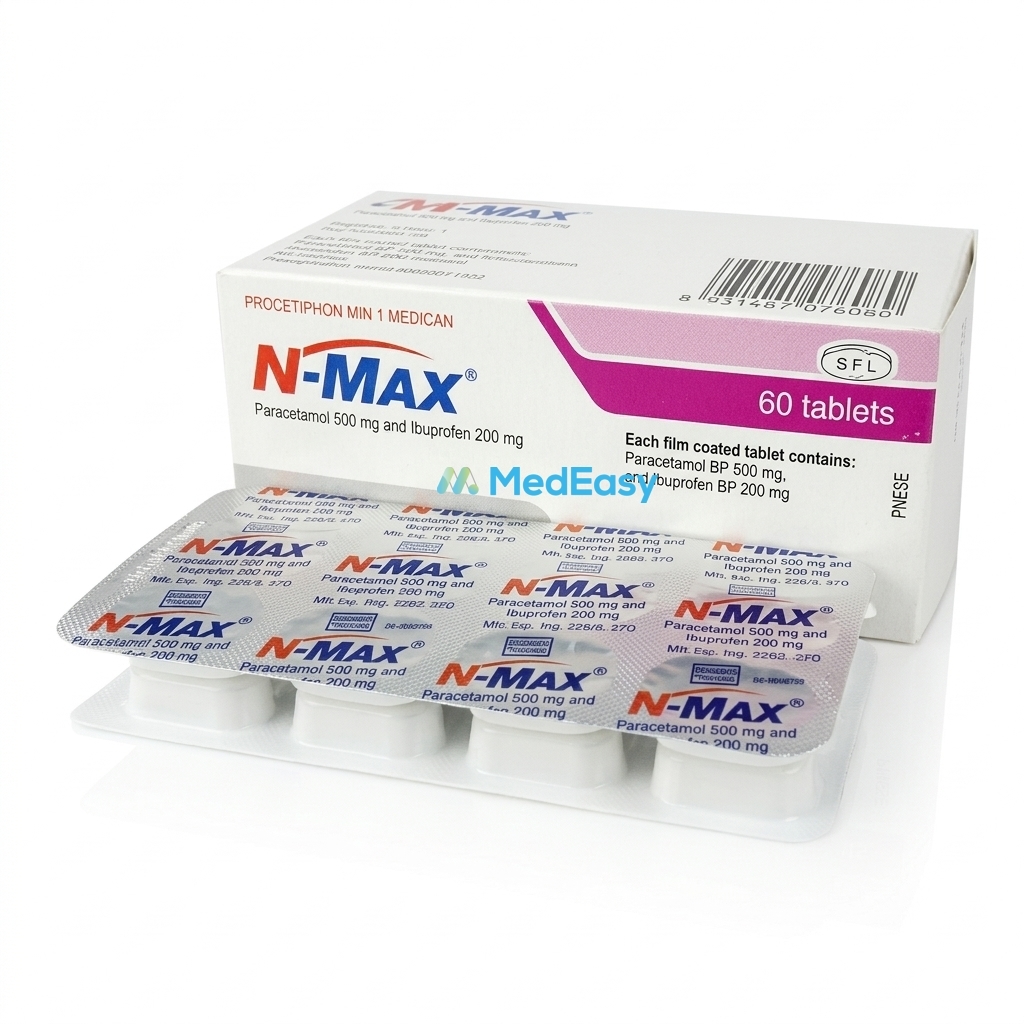
Generic medicine

Ibuprofen + Paracetamol: Brands, Price & Uses in Bangladesh

Ibuprofen + Paracetamol is a fixed-dose combination analgesic and antipyretic used for the short-term relief of mild to moderate pain and fever.

Forms:Tablet

About Ibuprofen + Paracetamol

Indications of Ibuprofen + Paracetamol

Ibuprofen + Paracetamol is a fixed-dose combination analgesic and antipyretic used for the short-term relief of mild to moderate pain and fever.

Established/Approved Uses

  • Relief of mild to moderate acute pain, including headache, toothache, backache, musculoskeletal pain, and minor arthritis-related pain
  • Relief of pain associated with the common cold and flu-like symptoms
  • Reduction of fever
  • Postoperative and post-traumatic pain (e.g., after dental extraction or minor surgery)
  • Primary dysmenorrhea (menstrual pain)

Guideline-Supported / Adjunct Uses

  • As part of a multimodal (combination) analgesic strategy for moderate postoperative pain, where Ibuprofen + Paracetamol is used together with other pain-management measures under medical supervision

Note: Ibuprofen + Paracetamol is intended for short-term symptomatic use only; it is not indicated for treating the underlying cause of pain, inflammation, or fever.

Dosage & Administration of Ibuprofen + Paracetamol

The dose of Ibuprofen + Paracetamol depends on the specific product strength and the age of the patient. See Dosage and Administration below. The lowest effective dose should be used for the shortest duration needed to control symptoms.

IndicationTypical Adult Dose
Mild-to-moderate pain / fever1 tablet (e.g., Ibuprofen 400 mg + Paracetamol 325 mg) every 6-8 hours as needed, not exceeding 3 tablets in 24 hours, or as directed by a physician
Lower-strength OTC products (e.g., Ibuprofen 125 mg + Paracetamol 250 mg)1-2 tablets every 6-8 hours as needed, not exceeding the maximum labeled daily dose

Do not exceed the maximum recommended daily dose of either component of Ibuprofen + Paracetamol from all combined sources, including other over-the-counter cold or pain products.

Side Effects of Ibuprofen + Paracetamol

Common

  • Nausea, dyspepsia, abdominal pain, or heartburn
  • Dizziness or headache
  • Diarrhea or constipation

Less Common / Serious

  • Gastrointestinal ulceration or bleeding
  • Skin rash or hypersensitivity reactions
  • Fluid retention, edema, or elevated blood pressure
  • Renal impairment
  • Hepatotoxicity (typically associated with overdose of the paracetamol component; see Overdose Effects)
  • Rarely, serious skin reactions (e.g., Stevens-Johnson syndrome), anaphylaxis, or cardiovascular thrombotic events (myocardial infarction, stroke)

Patients taking Ibuprofen + Paracetamol should seek prompt medical attention for signs of gastrointestinal bleeding (black stools, vomiting blood), severe skin reactions, or signs of liver injury (jaundice, dark urine).

Contraindications of Ibuprofen + Paracetamol

Ibuprofen + Paracetamol is contraindicated in patients with:

  • Known hypersensitivity to ibuprofen, paracetamol, or any excipient in the formulation
  • History of asthma, urticaria, or allergic-type reactions after taking aspirin or other NSAIDs
  • Active peptic ulcer disease or active gastrointestinal bleeding
  • Severe hepatic impairment
  • Severe renal impairment
  • Third trimester of pregnancy
  • Use for perioperative pain in the setting of coronary artery bypass graft (CABG) surgery

Frequently Asked Questions about Ibuprofen + Paracetamol

What is Ibuprofen + Paracetamol used for?

Ibuprofen + Paracetamol is a combination medicine used for the short-term relief of mild to moderate pain (such as headache, toothache, muscle pain, or menstrual pain) and for reducing fever.

Can I take Ibuprofen + Paracetamol with other painkillers?

No. You should not take Ibuprofen + Paracetamol together with other medicines containing ibuprofen, other NSAIDs (such as aspirin or naproxen), or additional paracetamol, as this increases the risk of stomach bleeding and liver damage from overdose. Always check the ingredients of any other medicine before combining it with Ibuprofen + Paracetamol.

Is Ibuprofen + Paracetamol safe during pregnancy?

Ibuprofen + Paracetamol is contraindicated in the third trimester of pregnancy because the ibuprofen component can cause serious harm to the baby, including early closure of a heart blood vessel. In earlier pregnancy, it should be used only if clearly needed and after consulting a physician, since NSAID use in pregnancy carries risks. Do not take Ibuprofen + Paracetamol during pregnancy without medical advice.

Can children take Ibuprofen + Paracetamol?

Fixed-dose Ibuprofen + Paracetamol tablets are generally not recommended for children under 12 years old. Younger children needing pain or fever relief should be given ibuprofen and paracetamol separately, in doses based on their weight and age, and only under medical or pharmacist guidance.

What happens if I take too much Ibuprofen + Paracetamol?

Overdose of Ibuprofen + Paracetamol is a medical emergency. Paracetamol overdose can cause serious, sometimes fatal liver damage that may not be obvious right away, and ibuprofen overdose can cause stomach problems, drowsiness, and kidney problems. If you or someone else has taken too much Ibuprofen + Paracetamol, seek immediate medical attention or contact a poison control center, even if there are no symptoms yet.

How long can I take Ibuprofen + Paracetamol?

Ibuprofen + Paracetamol should generally be used for the shortest time needed, usually no more than 3-5 days for pain or fever, unless a physician advises otherwise. If your symptoms do not improve or get worse, see a doctor.

Disclaimer

The information provided is accurate to the best of our knowledge, but it does not replace professional medical advice. We cannot guarantee its completeness or accuracy, and the absence of specific information about a drug should not be taken as an endorsement. We are not responsible for any consequences arising from this information, so please consult a healthcare professional for any concerns or questions.


DoctorBlogArticles