Generic medicine

Insulin Degludec + Insulin Aspart Premixed: Brands, Price & Uses in Bangladesh

Insulin Degludec + Insulin Aspart Premixed is indicated to improve glycemic control in adults and pediatric patients (1 year of age and older) with diabetes mellitus who require both basal…

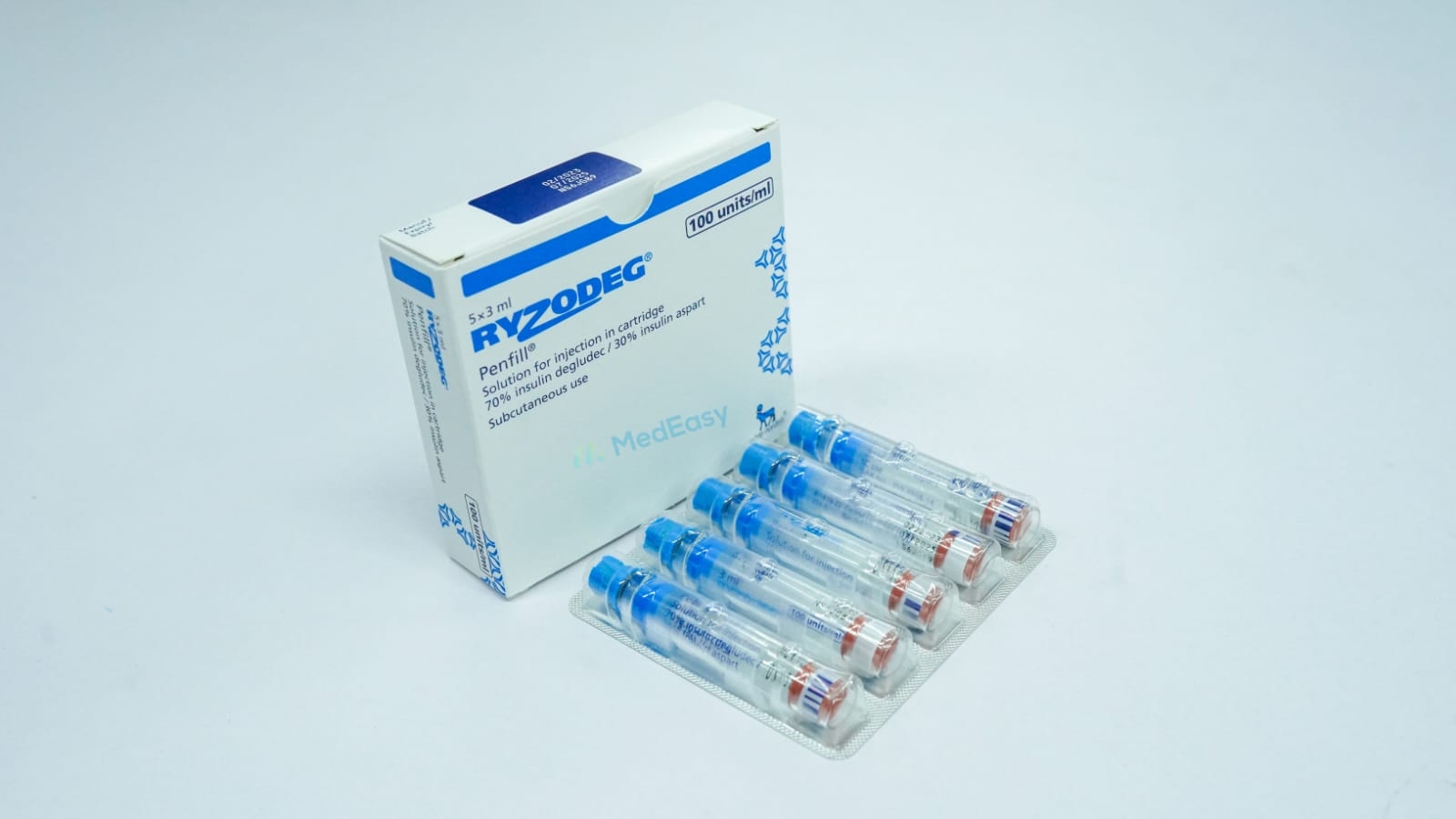
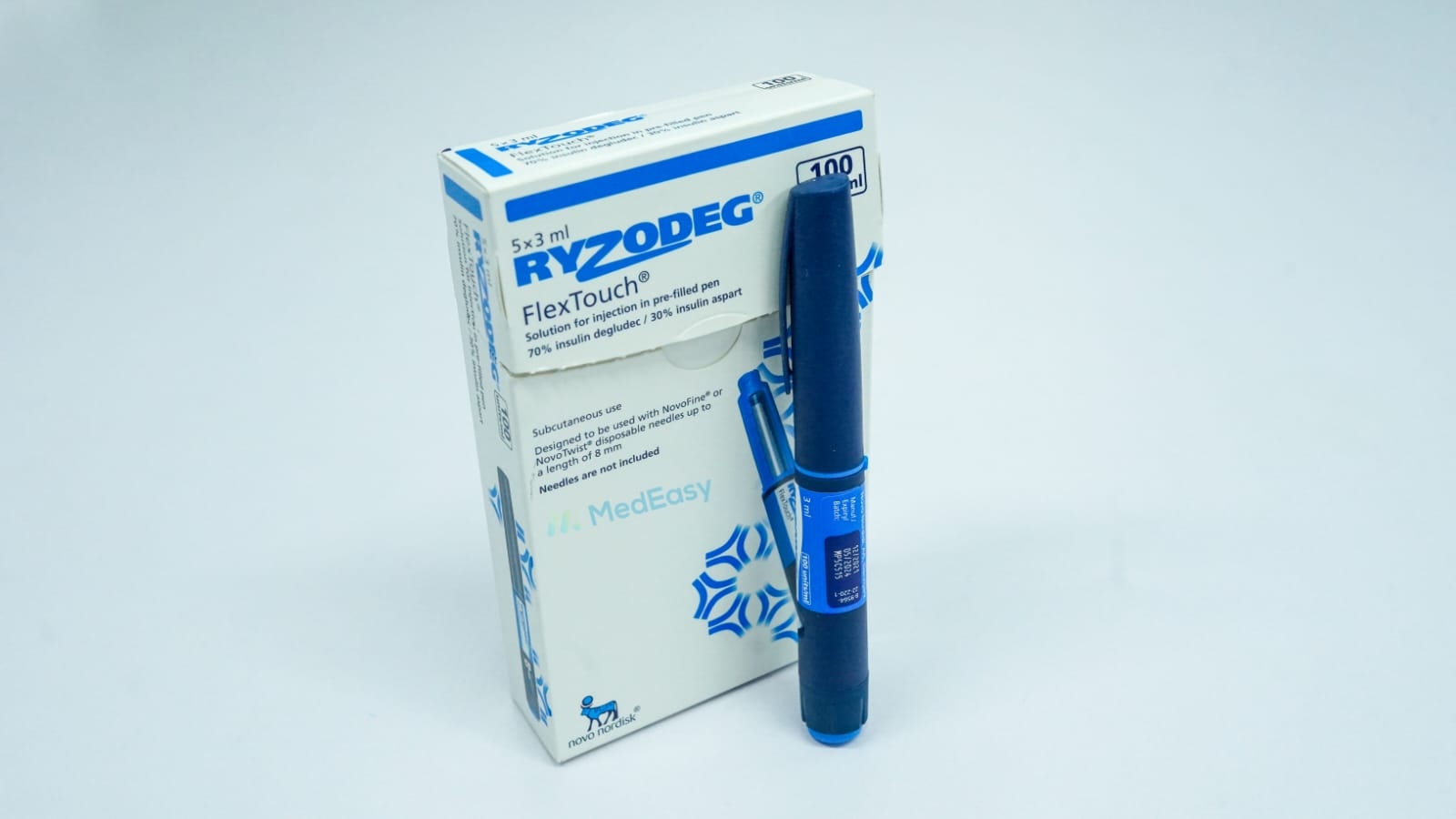
Forms:PenfillFlexpen

About Insulin Degludec + Insulin Aspart Premixed

Indications of Insulin Degludec + Insulin Aspart Premixed

Insulin Degludec + Insulin Aspart Premixed is indicated to improve glycemic control in adults and pediatric patients (1 year of age and older) with diabetes mellitus who require both basal (background) and prandial (mealtime) insulin coverage.

IndicationEvidence StrengthNotes
Type 1 diabetes mellitus, adults and children ≥1 yearEstablished / approved useUsed as part of a basal-bolus regimen; individualized titration required
Type 2 diabetes mellitus, adults and children ≥1 year, inadequately controlled on other therapyEstablished / approved useMay be used alone or with other antidiabetic agents (e.g., metformin) under medical supervision
Diabetic ketoacidosisNot indicatedInsulin Degludec + Insulin Aspart Premixed is not appropriate for treatment of diabetic ketoacidosis; short-acting IV insulin is required

Insulin Degludec + Insulin Aspart Premixed is not recommended in pediatric patients who require a total daily insulin dose of less than 5 units, because of imprecise dosing at very low volumes.

Dosage & Administration of Insulin Degludec + Insulin Aspart Premixed

The dose of Insulin Degludec + Insulin Aspart Premixed must be individualized and titrated by a healthcare provider based on the patient's metabolic needs, blood glucose monitoring results, and glycemic control goals. There is no fixed universal starting dose applicable to all patients.

PopulationTypical Starting Approach
Adults with type 1 diabetes, insulin-naïveApproximately one-third to one-half of the total daily insulin dose, given with the largest meal(s); remainder of prandial needs covered by separate rapid-acting insulin as required
Adults with type 2 diabetes, insulin-naïveApproximately 10 units once daily with a main meal; adjust based on glycemic response
Adults switching from another insulin regimenDose determined individually by physician; more frequent glucose monitoring recommended during transition
Pediatric patients ≥1 year (established on insulin)Often started at a reduced percentage (e.g., around 80%) of the prior total daily insulin dose to minimize hypoglycemia risk, then titrated

Doses are typically adjusted every 3–4 days based on blood glucose patterns, under physician guidance. Do not adjust the dose without medical advice.

Side Effects of Insulin Degludec + Insulin Aspart Premixed

The most common and most serious adverse reaction associated with Insulin Degludec + Insulin Aspart Premixed is hypoglycemia (see Precautions and Warnings for full discussion).

  • Hypoglycemia (very common; can be serious and life-threatening)
  • Weight gain
  • Injection site reactions (redness, swelling, itching)
  • Lipodystrophy (lipohypertrophy or lipoatrophy) with repeated injection at the same site
  • Peripheral edema, especially when starting insulin therapy or intensifying control
  • Nasopharyngitis, headache, upper respiratory tract infection
  • Rare but serious: generalized allergic reactions, including anaphylaxis

Contraindications of Insulin Degludec + Insulin Aspart Premixed

  • Known hypersensitivity to insulin degludec, insulin aspart, or any excipient in the Insulin Degludec + Insulin Aspart Premixed formulation.
  • During episodes of hypoglycemia — Insulin Degludec + Insulin Aspart Premixed must not be administered while blood glucose is already low.

Frequently Asked Questions about Insulin Degludec + Insulin Aspart Premixed

What is Insulin Degludec + Insulin Aspart Premixed used for?

Insulin Degludec + Insulin Aspart Premixed is used to improve blood glucose control in adults and children (1 year and older) with type 1 or type 2 diabetes mellitus who need both a long-acting background (basal) insulin and a fast-acting mealtime (bolus) insulin, combined in one injection.

How is Insulin Degludec + Insulin Aspart Premixed given?

Insulin Degludec + Insulin Aspart Premixed is injected under the skin (subcutaneously) into the abdomen, thigh, or upper arm, usually with a main meal, using a technique and dose prescribed and taught by your healthcare provider. It must never be injected into a vein or muscle.

What is the biggest risk with Insulin Degludec + Insulin Aspart Premixed?

The most important risk is hypoglycemia (low blood sugar), which can cause sweating, shakiness, confusion, seizures, or loss of consciousness if severe. Always carry a fast-acting source of sugar and know the warning signs.

Can I use Insulin Degludec + Insulin Aspart Premixed during pregnancy or while breastfeeding?

Insulin Degludec + Insulin Aspart Premixed should be used during pregnancy only if clearly needed, with close monitoring and dose adjustment by your physician, since insulin needs change during pregnancy. It is generally considered compatible with breastfeeding, but you should consult your doctor before and during use.

Can I switch from my current insulin to Insulin Degludec + Insulin Aspart Premixed on my own?

No. Insulin Degludec + Insulin Aspart Premixed has a different action profile from other basal-only or premixed insulin products. Switching insulin products without medical supervision can cause dangerous swings in blood glucose; any change must be directed and monitored by your physician.

What should I do if I think I have taken too much Insulin Degludec + Insulin Aspart Premixed?

Taking too much can cause hypoglycemia. For mild symptoms, eat or drink a fast-acting source of sugar immediately. If there is confusion, seizures, or loss of consciousness, seek emergency medical help right away, as this can be life-threatening.

Disclaimer

The information provided is accurate to the best of our knowledge, but it does not replace professional medical advice. We cannot guarantee its completeness or accuracy, and the absence of specific information about a drug should not be taken as an endorsement. We are not responsible for any consequences arising from this information, so please consult a healthcare professional for any concerns or questions.
DoctorBlogArticles