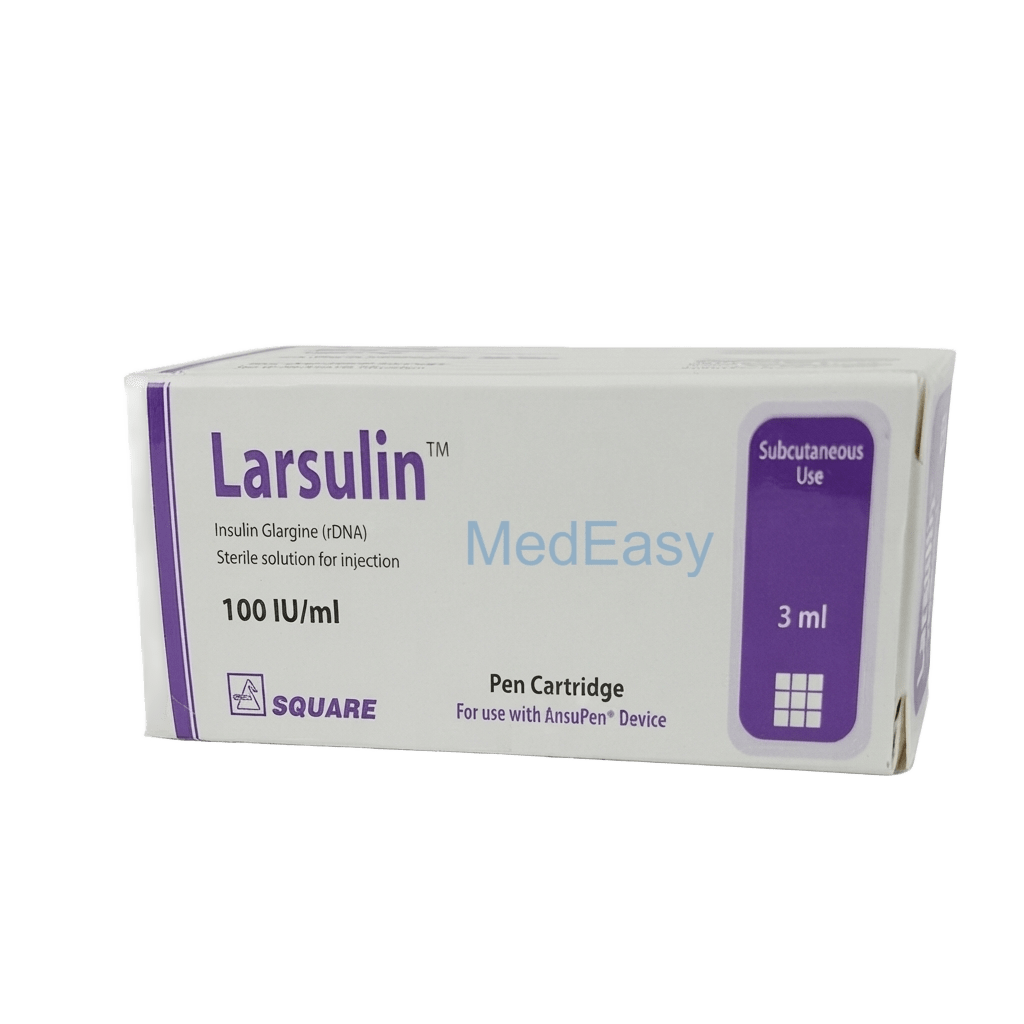
Generic medicine

Insulin Glargine [rDNA]: Brands, Price & Uses in Bangladesh

Insulin Glargine [rDNA] is a long-acting (basal) human insulin analog indicated to improve glycemic control in patients with diabetes mellitus.

Forms:Penfill

About Insulin Glargine [rDNA]

Indications of Insulin Glargine [rDNA]

Insulin Glargine [rDNA] is a long-acting (basal) human insulin analog indicated to improve glycemic control in patients with diabetes mellitus. Its established uses, by strength of evidence, are:

Established / FDA-approved uses

  • Type 1 diabetes mellitus (adults and children) — Insulin Glargine [rDNA] is used as the basal component of a multiple daily injection regimen, given together with a rapid- or short-acting insulin at mealtimes.
  • Type 2 diabetes mellitus requiring insulin therapy (adults, and children per current product labeling) — used alone or in combination with oral antidiabetic agents or other injectable therapies when these are insufficient for glycemic control.

Not indicated for

Insulin Glargine [rDNA] is not recommended for the treatment of diabetic ketoacidosis; intravenous short-acting insulin is required in that setting.

Dosage & Administration of Insulin Glargine [rDNA]

General principles

  • Insulin Glargine [rDNA] is administered by subcutaneous injection only, once daily, at the same time each day.
  • Rotate injection sites within the abdomen, thigh, or deltoid region with each dose to reduce the risk of lipodystrophy.
  • Dosage must be individualized based on blood glucose monitoring and metabolic needs, and should only be adjusted under medical supervision.
  • Do not dilute or mix Insulin Glargine [rDNA] with any other insulin or solution; do not administer via an insulin pump or intravenously (see Precautions and Warnings).

Dosing by indication

Indication / SituationTypical starting dose
Type 1 diabetes, insulin-naïveApproximately one-third of the total daily insulin requirement, with the remainder given as rapid-/short-acting insulin at meals; dose then individualized.
Type 2 diabetes, insulin-naïveApproximately 10 units (or 0.2 units/kg) once daily, subsequently titrated to the patient's needs.
Switching from once-daily NPH insulinSame unit dose as the previous NPH dose, given once daily.
Switching from twice-daily NPH insulinInitial Insulin Glargine [rDNA] dose reduced to about 80% of the total previous NPH daily dose, to reduce the risk of hypoglycemia; adjusted thereafter based on response.

Full details of dose and administration are provided in the Dosage and Administration fields below.

Side Effects of Insulin Glargine [rDNA]

Most common

Hypoglycemia is the most common adverse reaction associated with Insulin Glargine [rDNA] and may be serious; symptoms can include sweating, tremor, palpitations, hunger, confusion, irritability, and, if severe, seizures, loss of consciousness, or coma.

Other side effects

  • Injection site reactions — pain, redness, itching, swelling, or bruising at the injection site.
  • Lipodystrophy — thickening or pitting of fat tissue at sites of repeated injection; reduced by rotating injection sites.
  • Weight gain, related to the anabolic effects of insulin.
  • Peripheral edema, particularly when starting insulin therapy or intensifying glucose control.
  • Rare allergic reactions, ranging from local rash or urticaria to, rarely, generalized allergy or anaphylaxis.

Contraindications of Insulin Glargine [rDNA]

Insulin Glargine [rDNA] is contraindicated in:

  • Patients with known hypersensitivity to insulin glargine or any of its excipients.
  • During episodes of hypoglycemia — Insulin Glargine [rDNA] must not be administered while a patient is actively hypoglycemic.

Frequently Asked Questions about Insulin Glargine [rDNA]

What is Insulin Glargine [rDNA] used for?

Insulin Glargine [rDNA] is a long-acting basal insulin used to control blood glucose levels in adults and children with type 1 diabetes mellitus, and in adults and children with type 2 diabetes mellitus who require insulin therapy. It provides steady, background insulin coverage over approximately 24 hours.

How is Insulin Glargine [rDNA] taken?

Insulin Glargine [rDNA] is injected subcutaneously (under the skin) once daily, at about the same time each day, in the abdomen, thigh, or upper arm (deltoid), with injection sites rotated at each dose. It must never be given intravenously, through an insulin pump, or mixed/diluted with other insulins or solutions.

Can I mix Insulin Glargine [rDNA] with my other insulin in the same syringe?

No. Insulin Glargine [rDNA] must never be diluted or mixed with any other insulin or solution. Doing so can change how quickly and how long Insulin Glargine [rDNA] works, which can lead to poor blood sugar control or dangerous hypoglycemia. Always use a separate syringe/pen for Insulin Glargine [rDNA].

What is the most common side effect of Insulin Glargine [rDNA]?

The most common side effect is hypoglycemia (low blood sugar), which can cause sweating, shakiness, hunger, confusion, and, if severe, seizures or loss of consciousness. Other effects include injection site reactions, skin changes (lipodystrophy) at repeated injection sites, and weight gain.

Is Insulin Glargine [rDNA] safe during pregnancy or breastfeeding?

Insulin, including Insulin Glargine [rDNA], is generally the preferred treatment for diabetes during pregnancy when medication is needed, but it should be used only if clearly needed and under close medical supervision, since insulin requirements often change during pregnancy. It is generally considered compatible with breastfeeding, but dose adjustments may be needed — always consult a physician.

What should I do if I think I have taken too much Insulin Glargine [rDNA]?

Taking too much Insulin Glargine [rDNA] can cause hypoglycemia. For mild symptoms, eat or drink a fast-acting source of sugar. For severe symptoms such as confusion, seizures, or loss of consciousness, seek immediate emergency medical attention, as this can be life-threatening.

Disclaimer

The information provided is accurate to the best of our knowledge, but it does not replace professional medical advice. We cannot guarantee its completeness or accuracy, and the absence of specific information about a drug should not be taken as an endorsement. We are not responsible for any consequences arising from this information, so please consult a healthcare professional for any concerns or questions.

DoctorBlogArticles